On Mar 30, 2024 we docked at Hiroshima, Japan. Hiroshima is a city located in southwestern Honshu, Japan. It is the capital of Hiroshima Prefecture and is situated on the delta of the Ota River, whose six channels divide it into several islets. It has a population of 1.2 million people.
Hiroshima is known for being the first city in the world to be struck by an atomic bomb on Aug 6, 1945. The city has since become a symbol of peace and hope, with the Hiroshima Peace Memorial Park and the Atomic Bomb Dome serving as reminders of the tragedy.
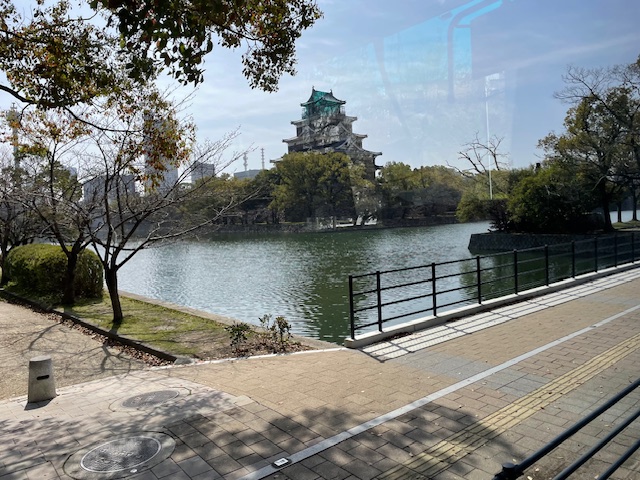
We started our excursion for the day with a visit to the Shukkeien Garden. On the way we drove past the Hiroshima Castle, one of more than 30,000 castles that had once existed in the feudal lord time of Japan in the 16th century. The Castle was the home of the Daimyo (feudal lord) of Hiroshima when it was built in 1620, but was destroyed in 1945 by the atomic bomb blast. It has been rebuilt as a landmark of the city and today is a museum.
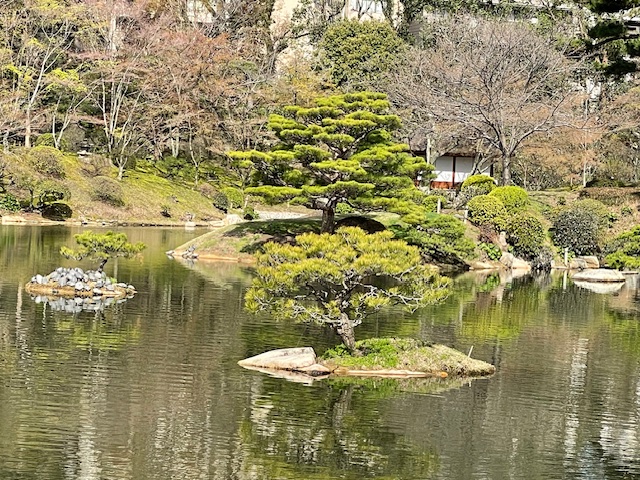
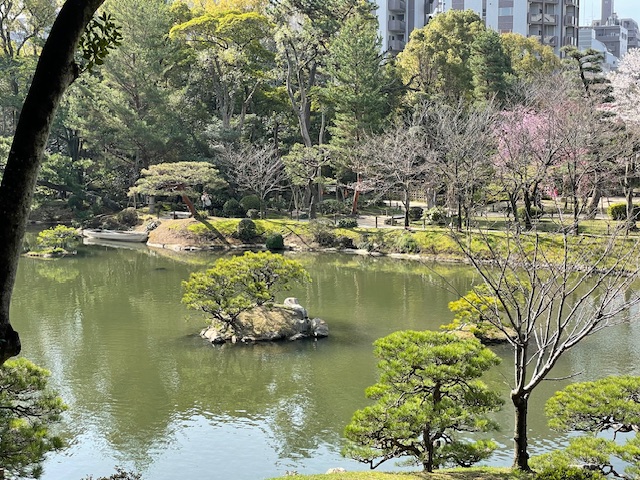
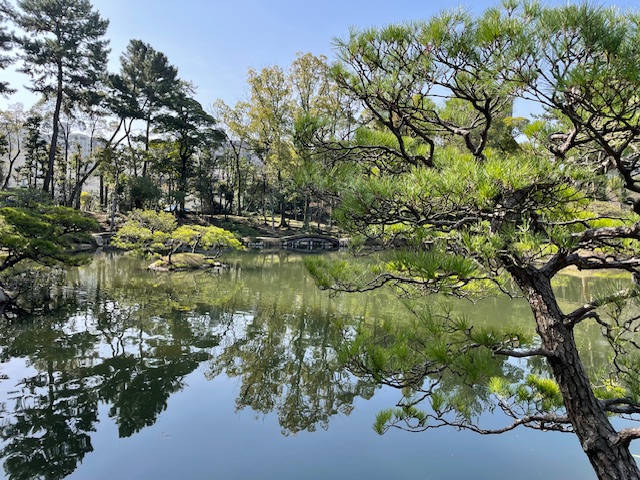
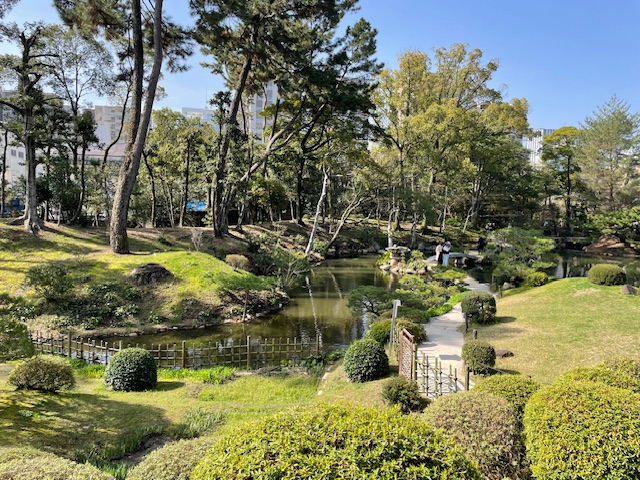
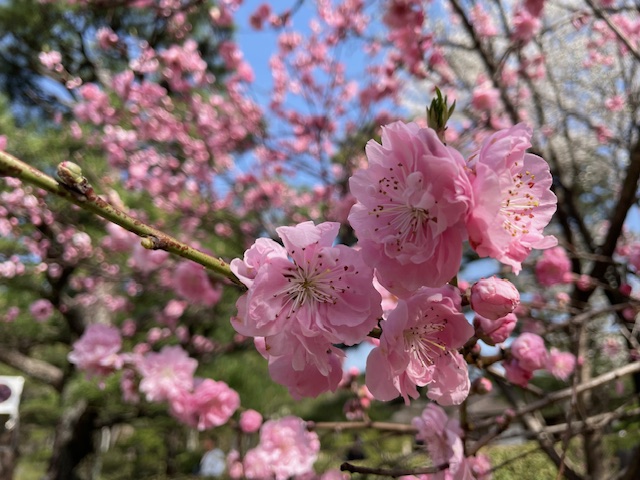
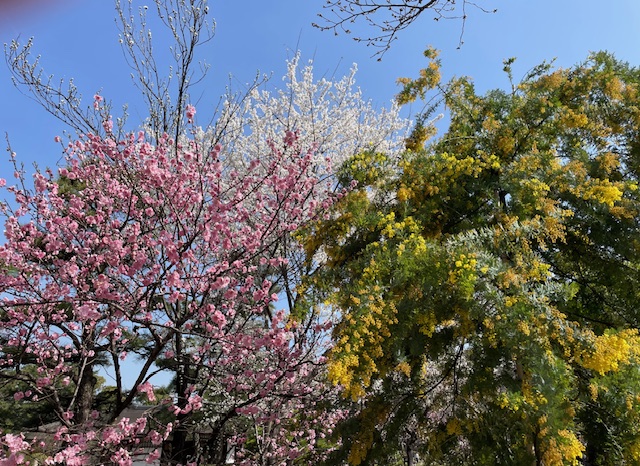
The Shukkeien Garden was built as the Daimyo’s garden. It’s name (literally “shrink-scenery garden”) expresses the idea of collecting and miniaturizing many scenic views. In the center is Takuei Pond, containing more than 10 inlets. The bridge which spans the center of the pond is original from 1620 and is the only part of the park that survived the 1945 atomic bomb. The trees and plants were all completely restored after the war. We especially enjoyed a number of cherry trees that were in bloom.






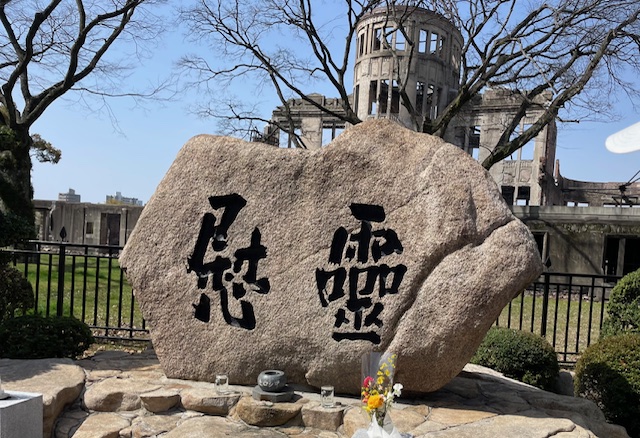
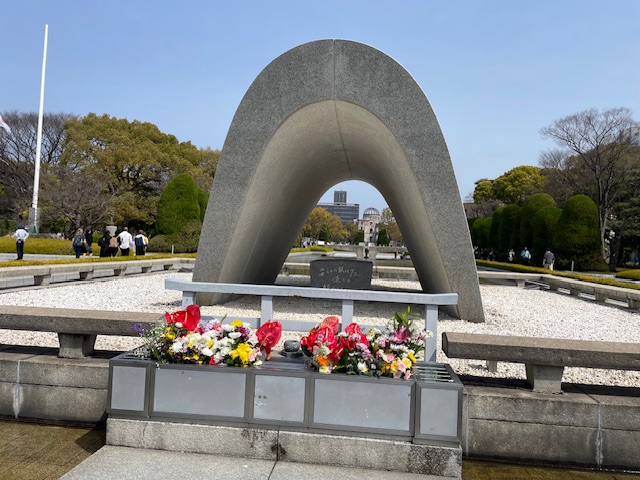
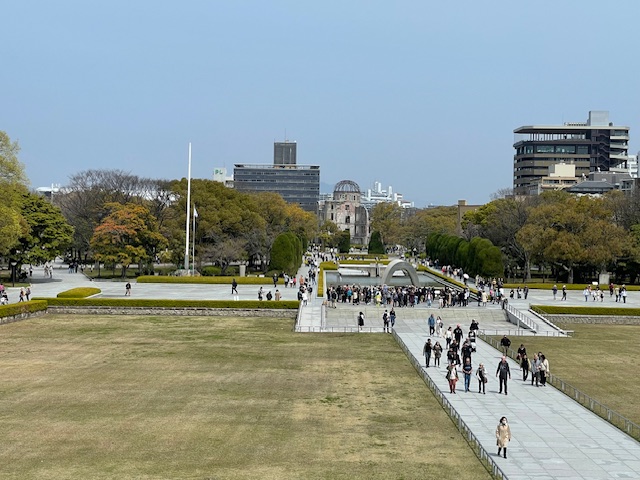
After we left the Garden, we went to the Hiroshima Peace Memorial (Genbaku Dome) which was the only structure left standing in the area where the first atomic bomb exploded. It is a stark and powerful symbol of the most destructive force ever created by mankind. The Hiroshima Peace Memorial is a UNESCO World Heritage Site. It is one of only three sites that relate to memories of recent conflicts. The other two are Auschwitz, Poland and the Bikini Atoll Nuclear Test Site.
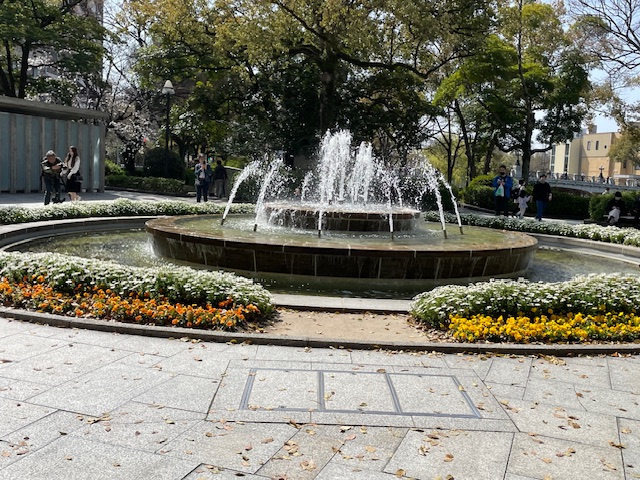
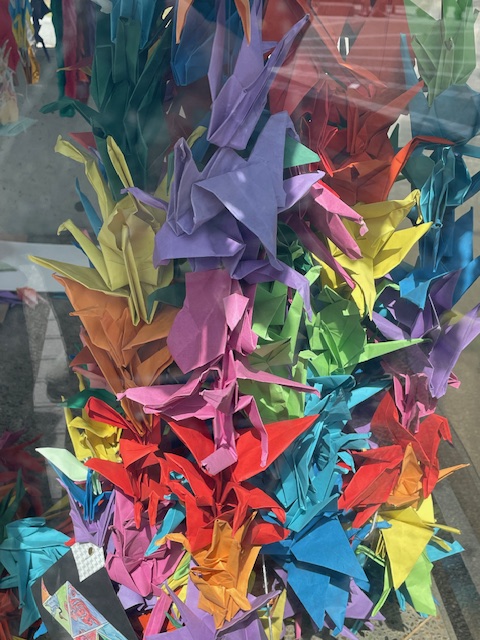
We then walked through the Peace Memorial Park to see various memorials, including the Children’s Peace Monument inspired by a girl who died of leukemia ten years after the atomic blast. She folded paper cranes, a symbol of long life in the hope that she would get better. She died when she was twelve years old. The park now receives more than 10 million paper cranes annually in the name of world peace. Finally, we toured the Peace Memorial Museum to see exhibits, videos and items that survived the bombing.





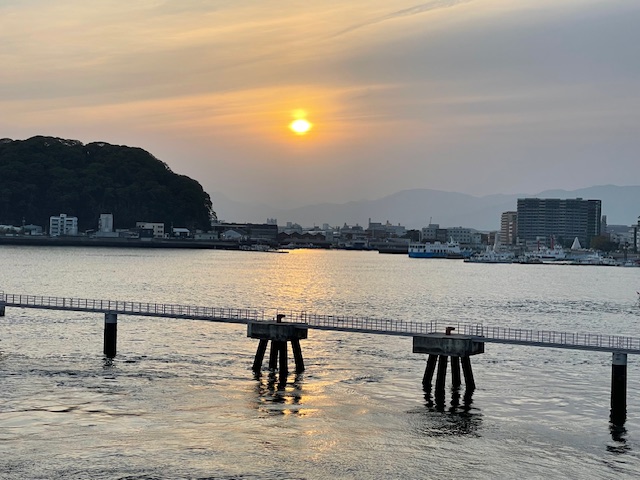
At the end of the day, we enjoyed another beautiful sunset.
 World Cruise - 2024