On April 2, 2024 we docked at Busan in South Korea (officially the Republic of Korea (ROK)). Busan is the second largest city in South Korea. It is a maritime logistics hub located on the southeastern tip of the Korean Peninsula. It’s population is 3.5 million people, compared to the Seoul Capital Area’s population of approximately 25 million people; the total ROK population is 52 million people. Busan is a beautiful , very clean city with many historical and religious sites to see.
On our first day, we took an excursion in the morning which intially took us to the Haedong Yonggungsa Temple, a Buddhist temple located by the sea. It was first built in 1376 during the Goryeo Dynasty.


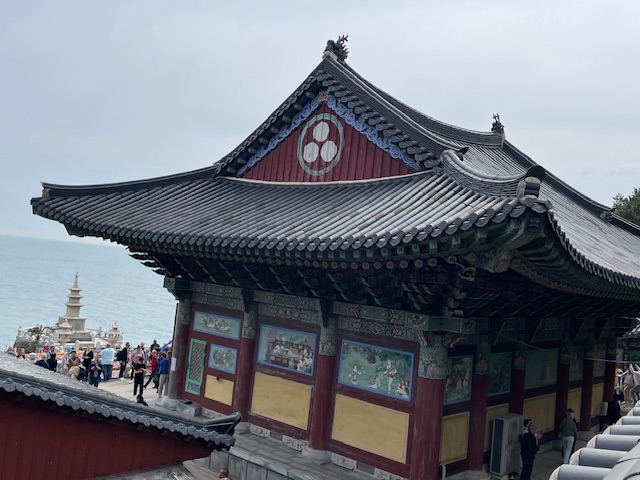
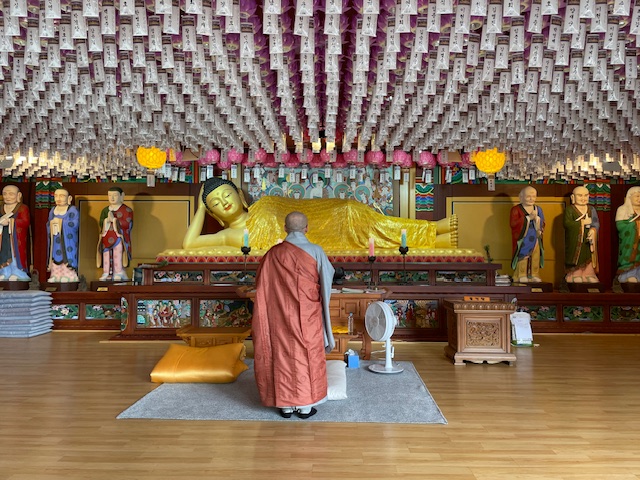

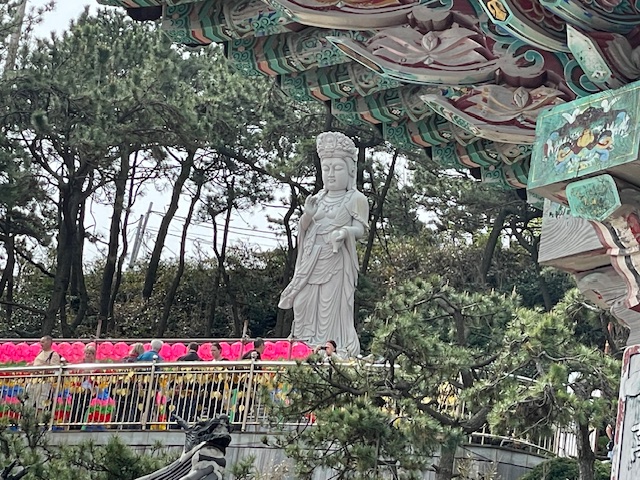

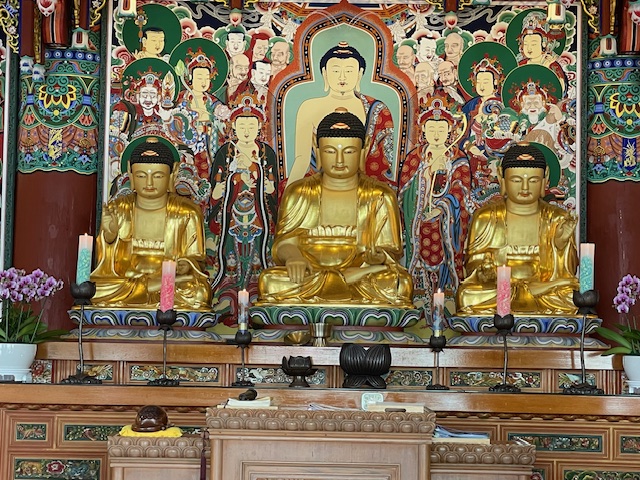
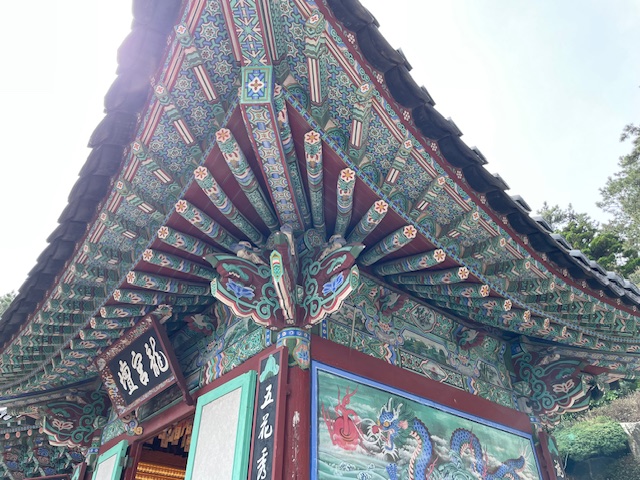


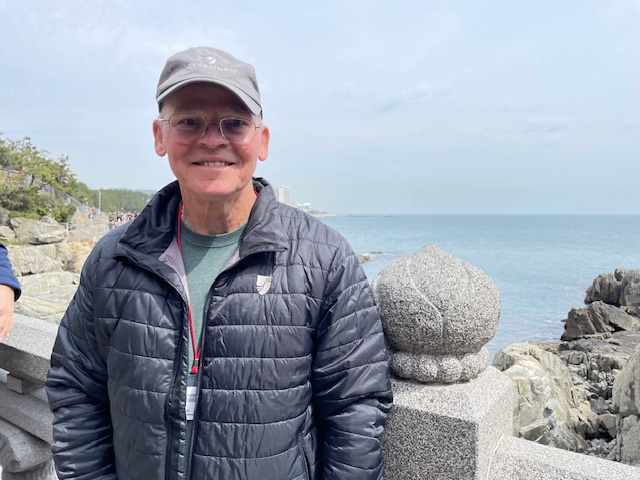
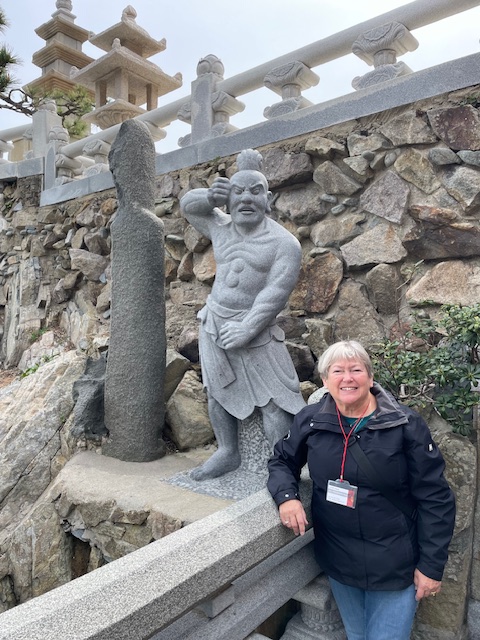

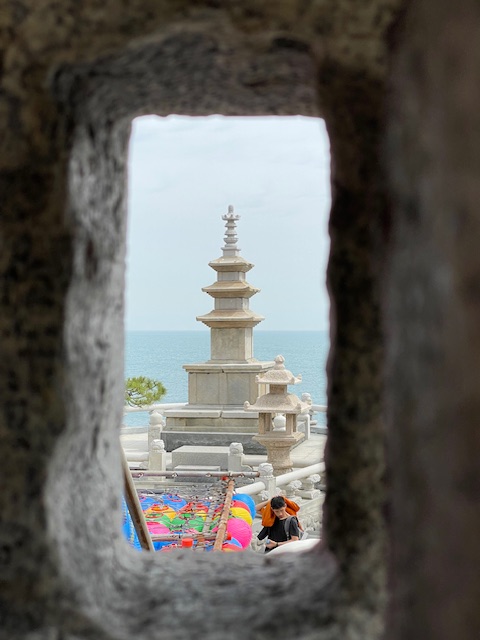
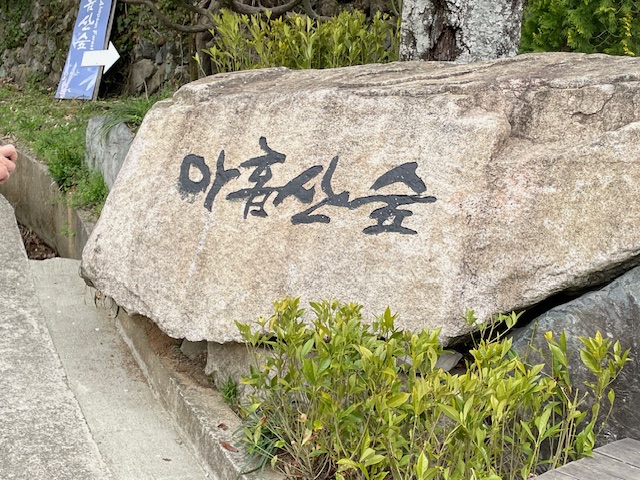
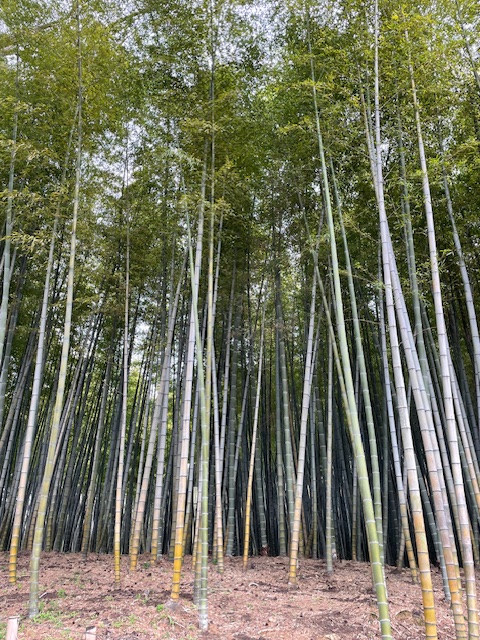
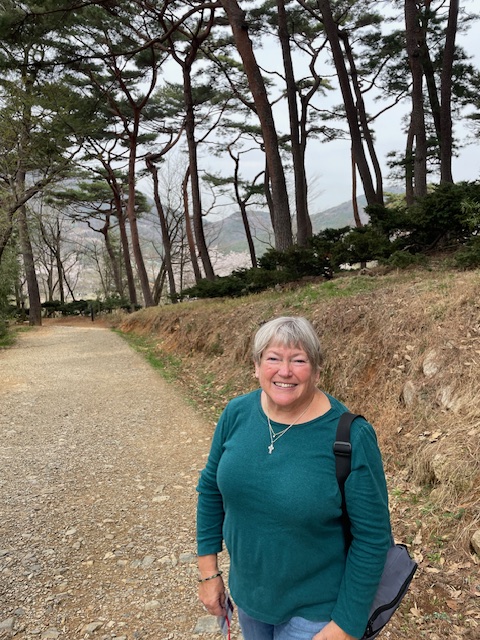
After the seeing the Temple, we climbed a steep path that took us up to Ahopson Forest, a red oak and bamboo forest that has been owned and gardened by the same family for over 400 years. All of the trees in the forest are protected by the family, but they recently opened the forest to the public. It was a hard hike up, but a serene place at the top.




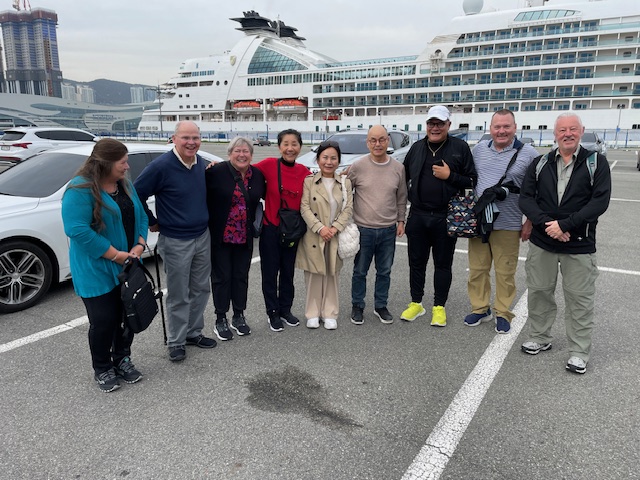
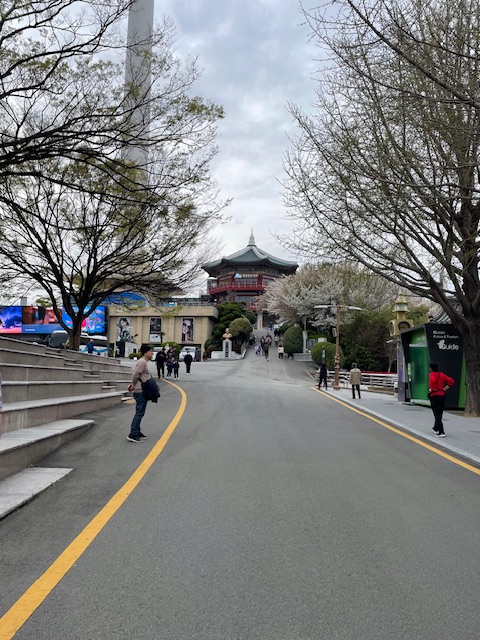
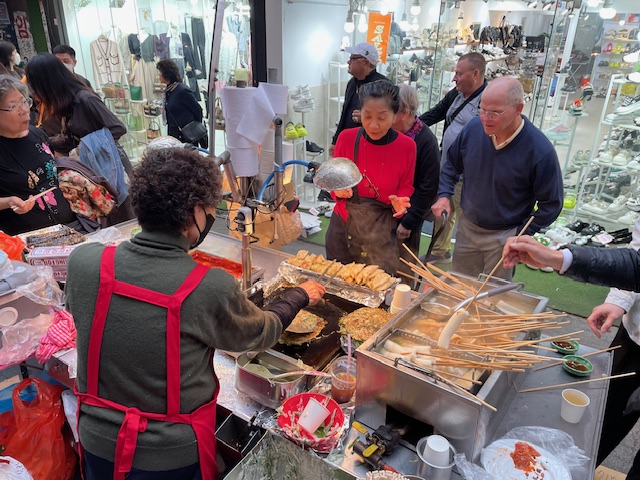
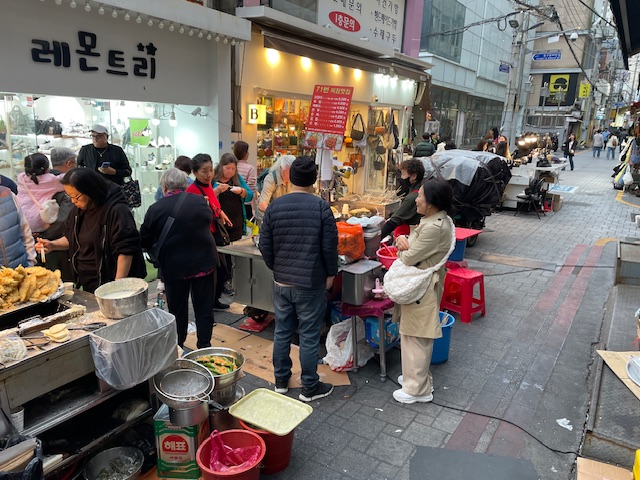
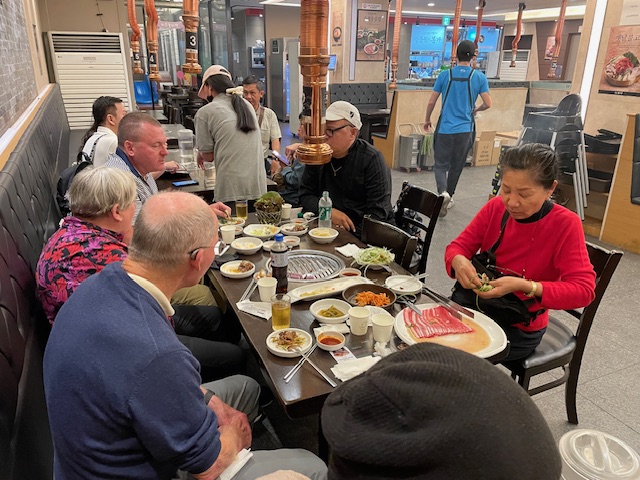
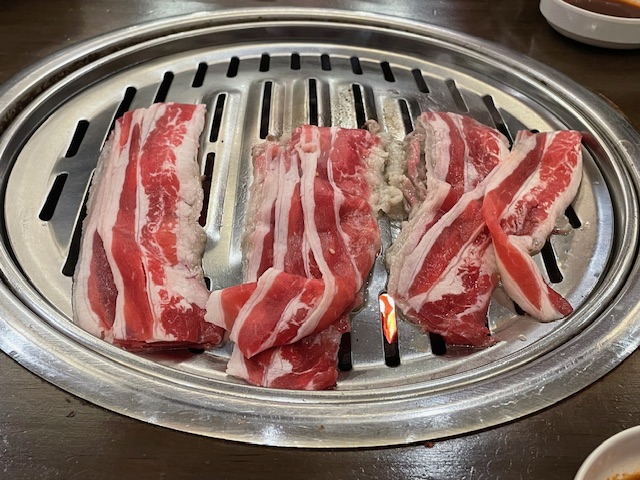
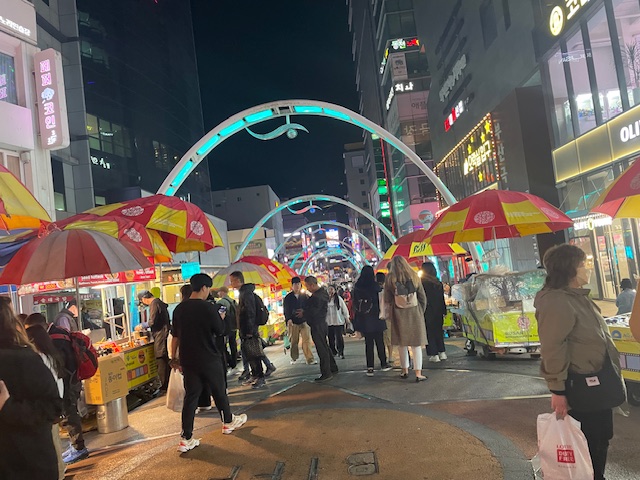
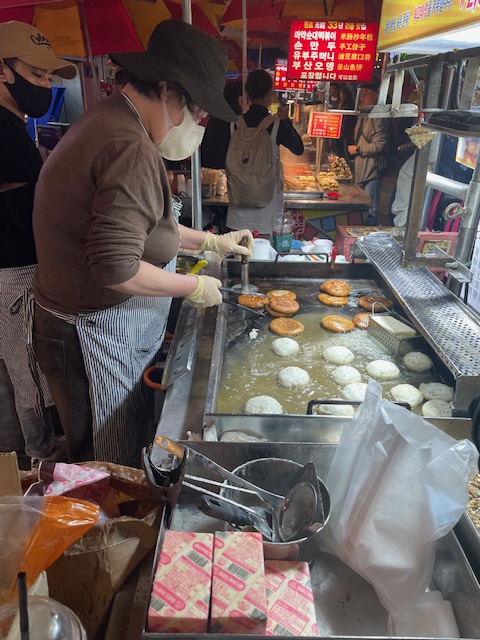
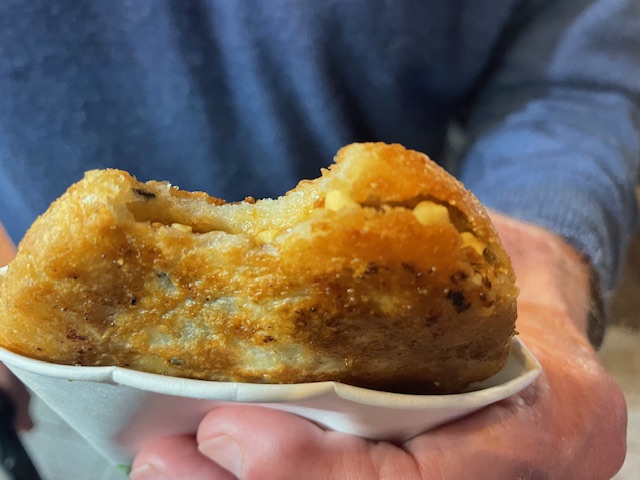
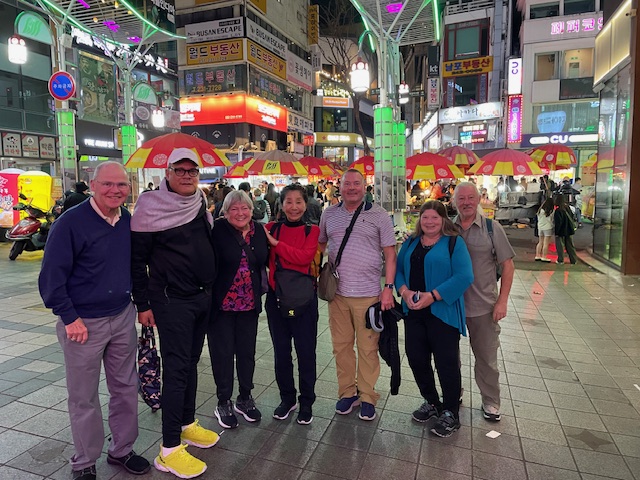
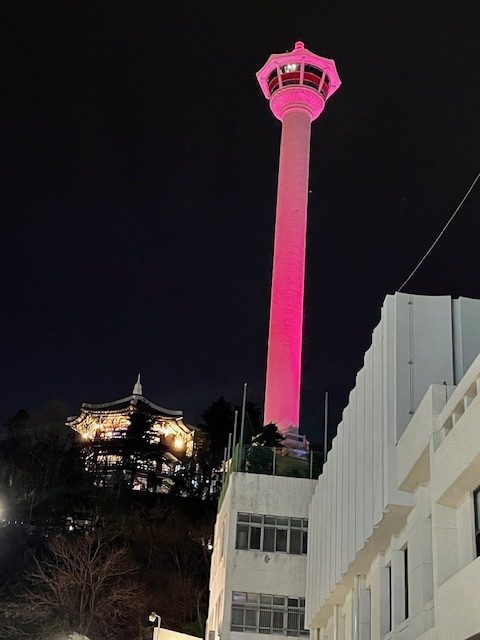
Later that day, we met up with some friends, including Tim and Young Mi, the art and beading instructors, to go back into Busan for the evening. Young Mi was born and raised in Busan, so she arranged for one of her childhood friends and her husband, to take us around Busan. It was a great night that started with a visit to the Busan Tower, from which we were able to get a view of the entire Busan area. We then walked through Busan and enjoyed food snacks from local street vendors, before feasting on a typical Korean barbecue dinner. Afterward we walked back through the Busan streets and eventually returned to our ship. It was a great evening.








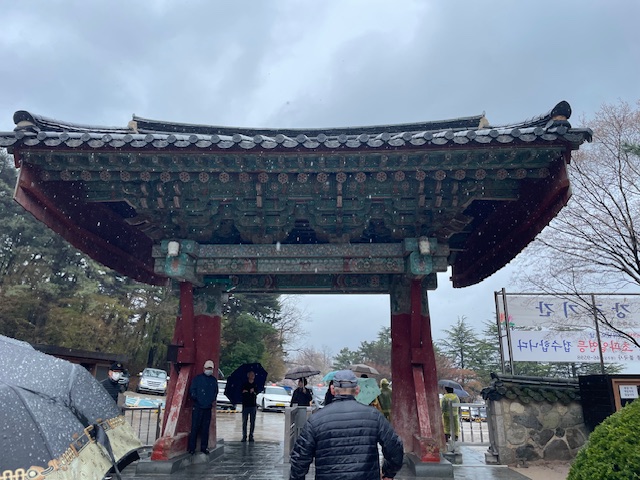
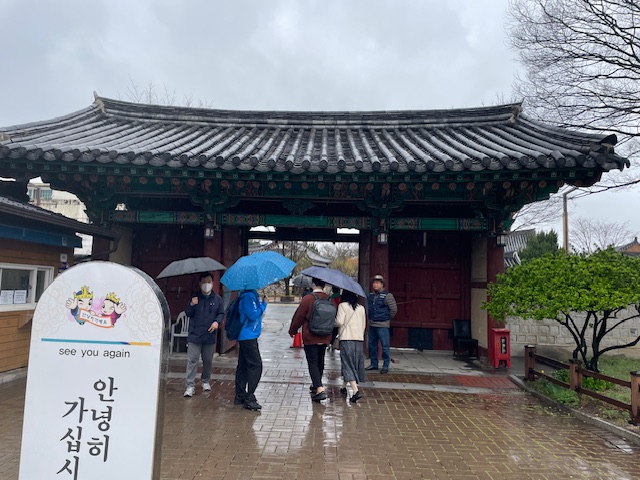
On Apr 3, 2024, we went on an all-day excursion, during which we saw many interesting places and things. Unfortunately it rained the entire day, but we didn’t let that stop us.
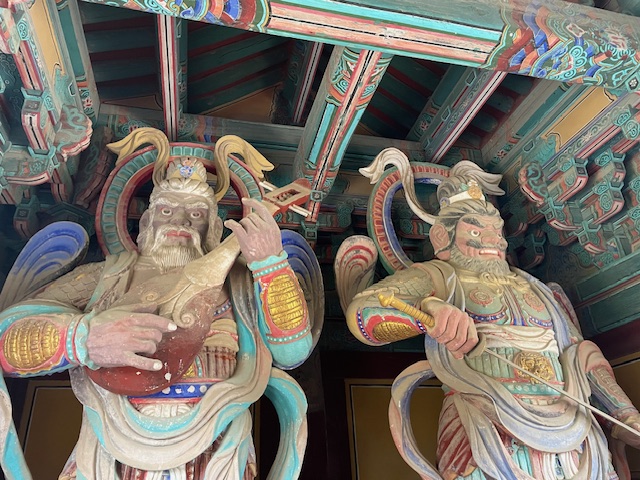
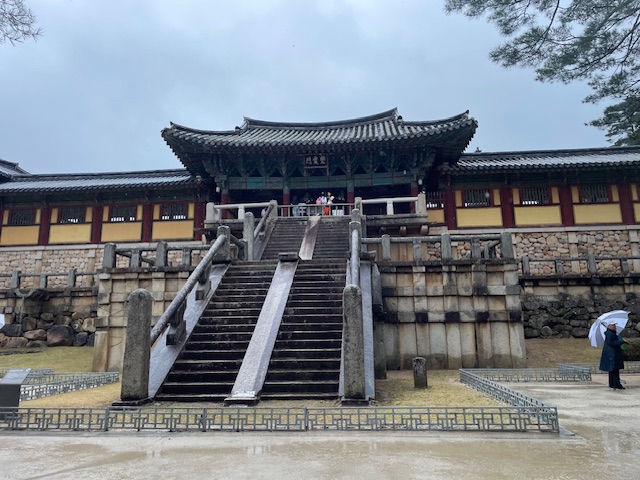
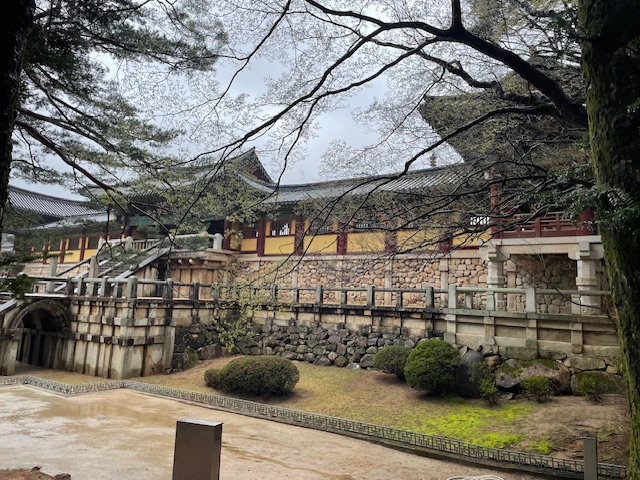
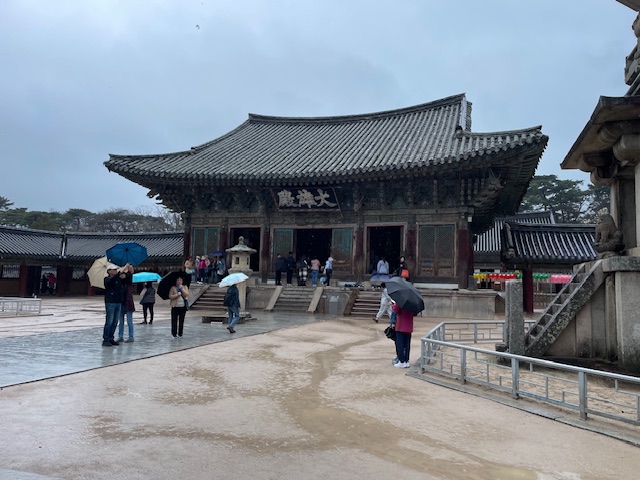
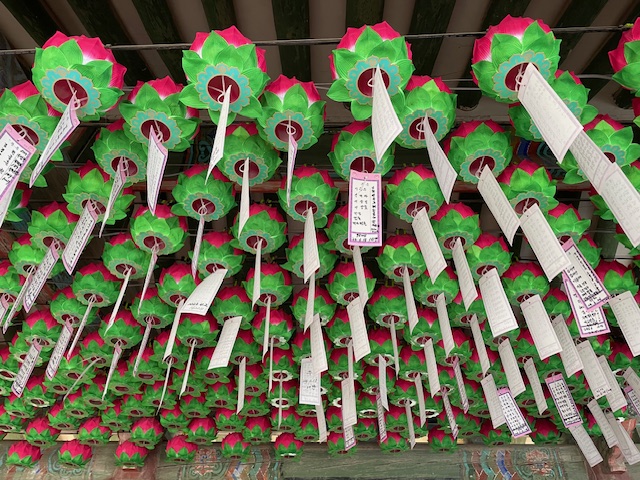
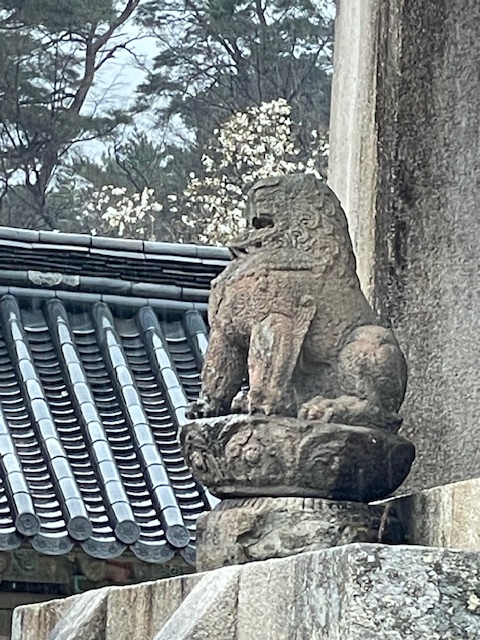
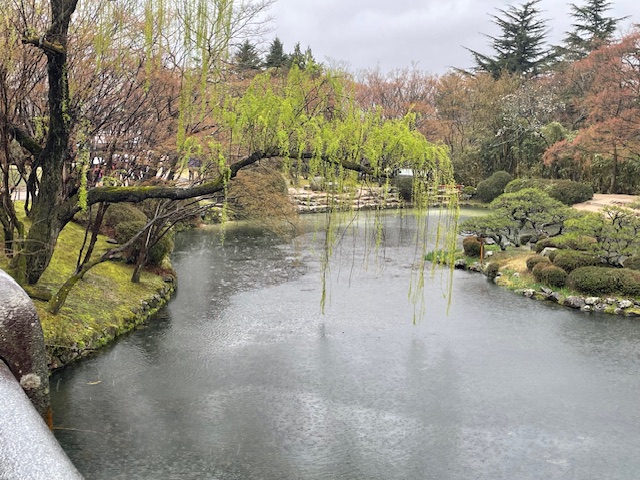
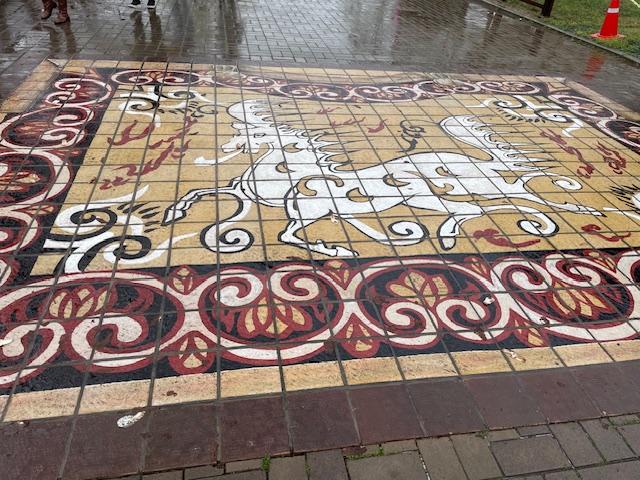
Our first stop was at Gyeongju National Park located in the province of Gyeongsangbuk-do, South Korea’s only historical national park. The park is known as the Museum without Walls as it was once the capital of the Shilla Kingdom. It became a major cultural center after the Shilla Dynasty unified the Korean Peninsula in 676. The National Park has been designated a UNESCO World Heritage Site. The temple in the area was built in the 6th and 7th centuries, and because of its heavy stone walls and arches has withstood many earthquakes.





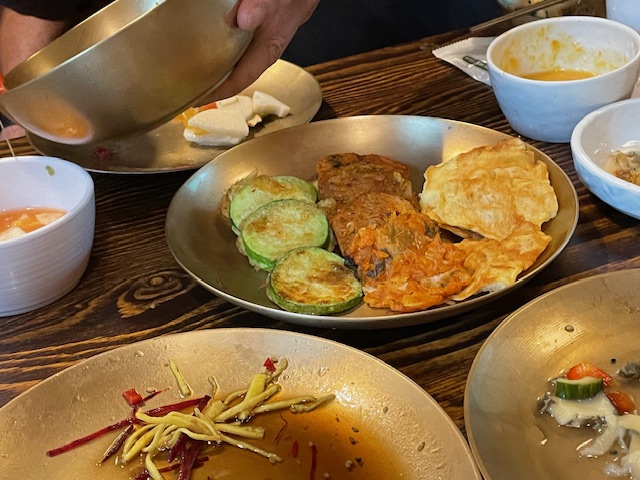
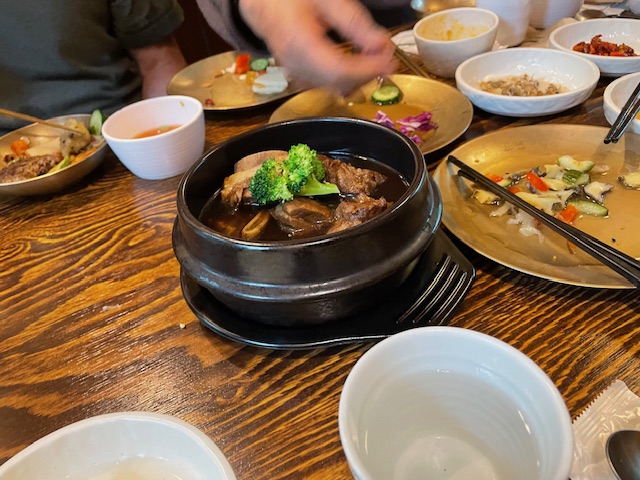
Our next stop was for the Hanjeongsik, a full course meal consisting of Korean delicacies alongside savory side dishes. It was a delicious meal, although the best part of the lunch was the heated floor on which we were able to dry our socks from walking through the rain all morning.


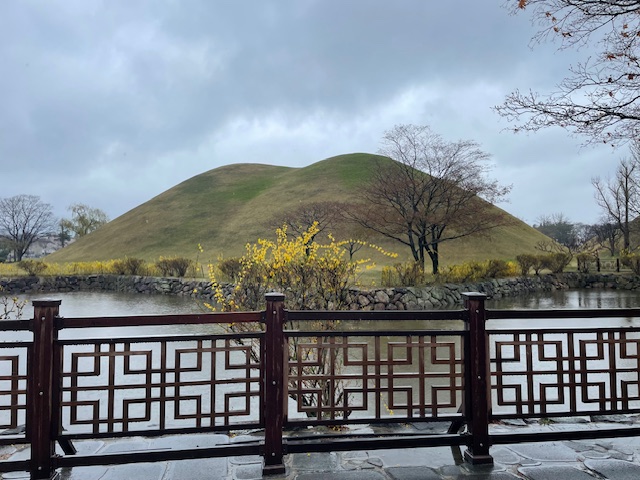
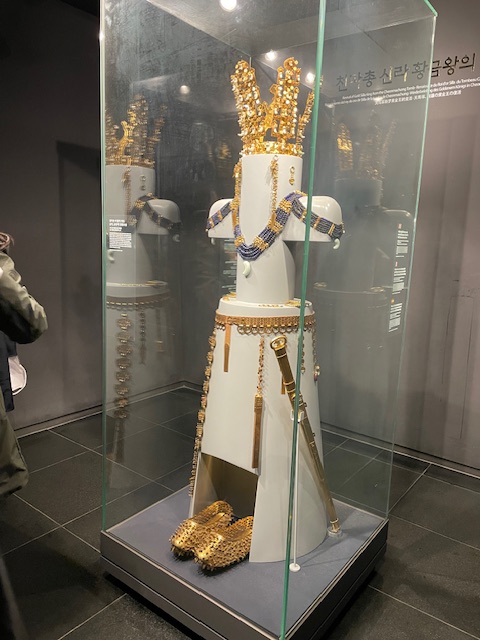
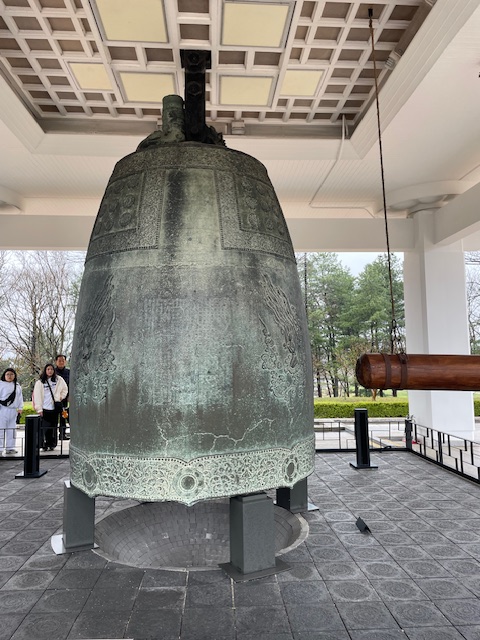
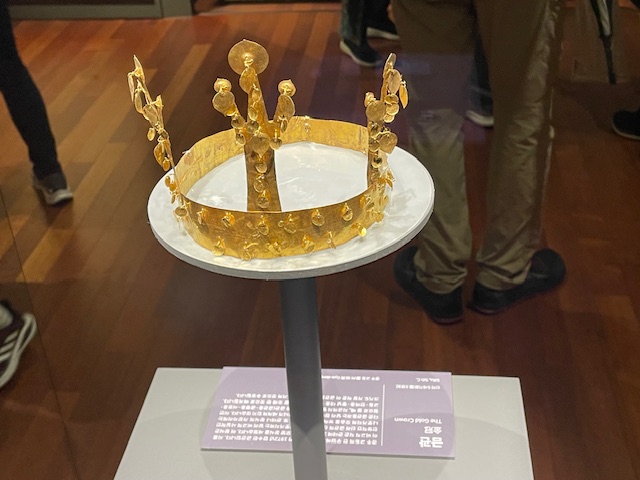
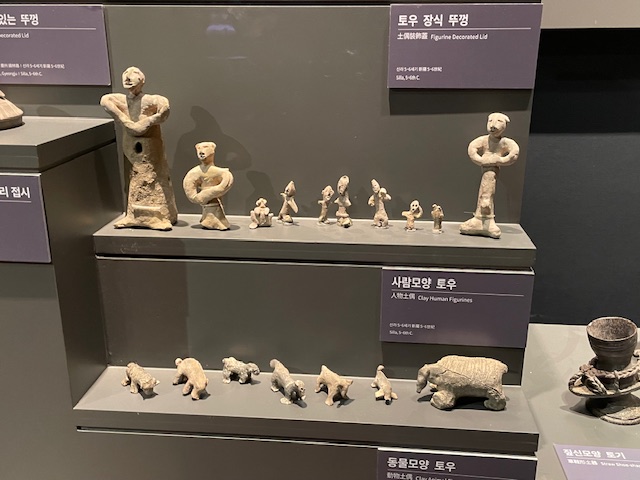
We then visited the Daereungwon Tomb Complex in Royal Tumuli Park. A tumuli is a mound of earth and stones raised over a grave or graves. The park contains more than twenty Shilla Dynasty royal tombs in which leaders were buried along with precious gold artifacts that were excavated in 1973 to the present, and date back to the 5th century. Many of the artifacts have been moved to the National Museum within the park area. We also saw the Divine Bell of King Songdok — a bronze bell that stands 11 feet tall and weighs 23 tons.






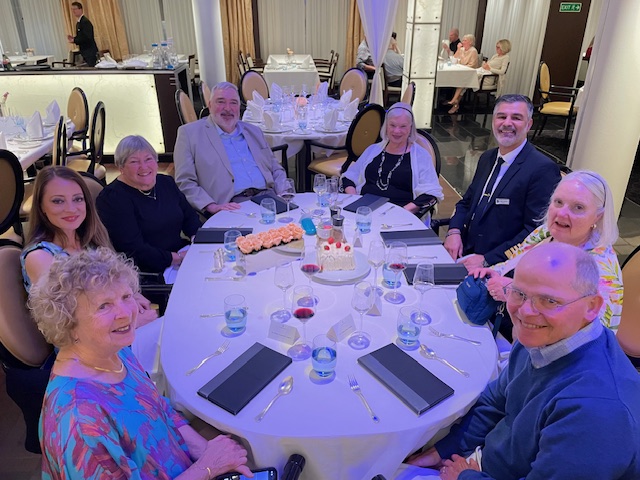
After returning to the ship, we got ready for a special dinner with friends, and the Captain, Kyriakos Karras.
 World Cruise - 2024