• About

World Cruise – 2024

  • Apr 17-18, 2024 – Ha Long Bay and Hanoi, Vietnam

    April 20th, 2024

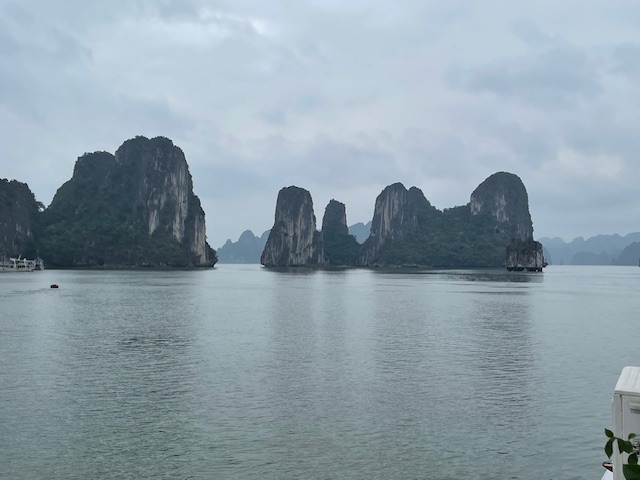
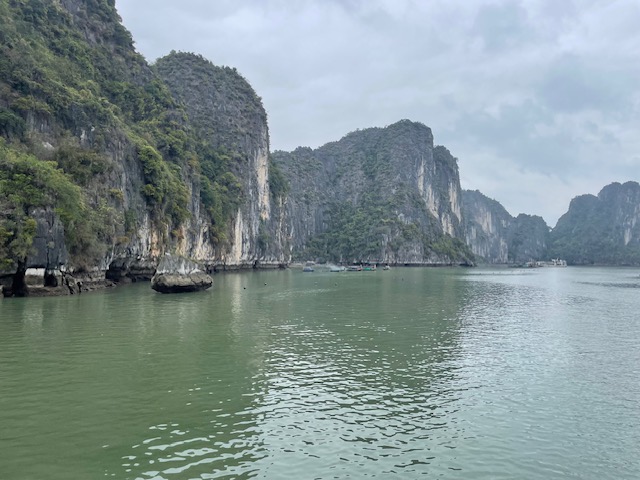
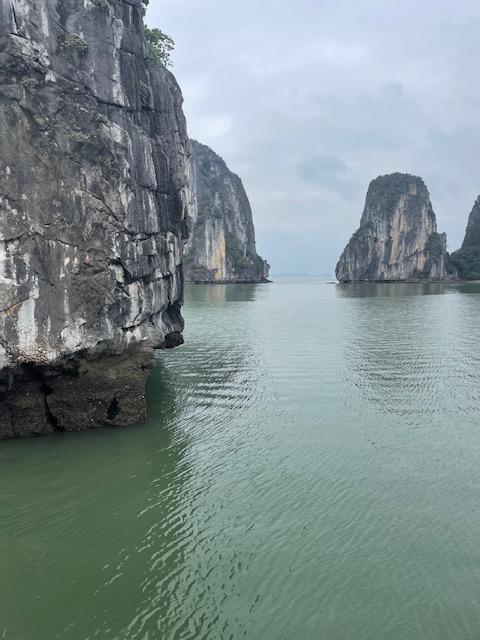
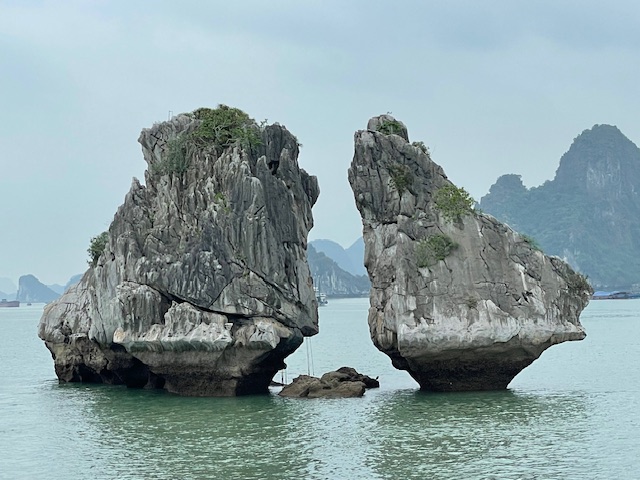
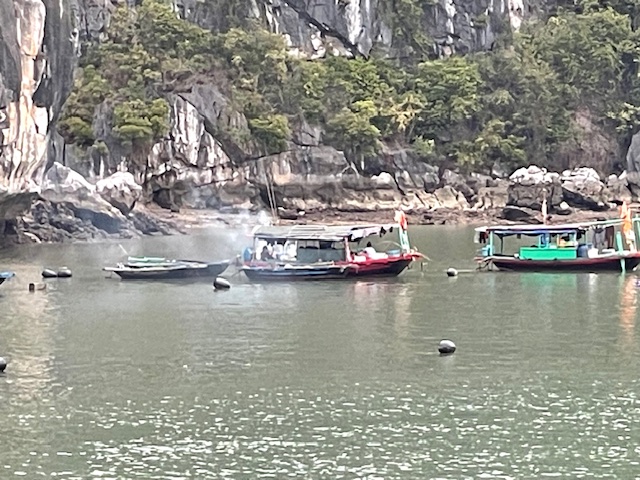
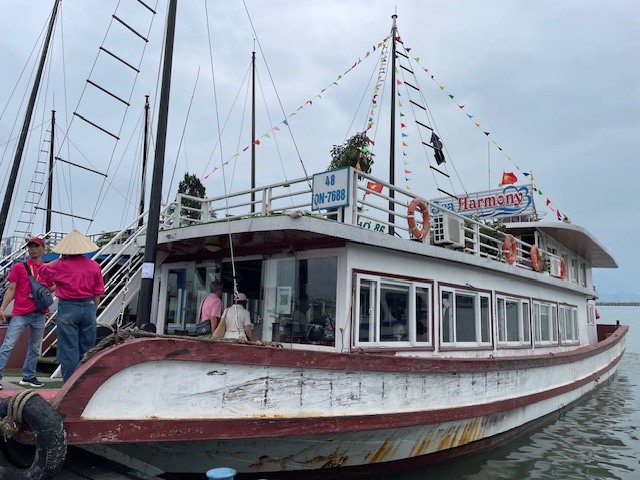
    In the afternoon of Apr 17, 2024 we docked at Ha Long Bay, Vietnam. Ha Long Bay is a UNESCO World Heritage Site and a popular travel destination in Quang Ninh, Vietnam. It is famous for its thousands of limestone islands and islets that create a spectacular landscape.

    We left the ship that afternoon on an overnight excursion to Hanoi, Vietnam. But first we took an excursion on a local boat to explore the bay and many of the limestone islands, a beautiful sight, even on the cloudy day that we were there.
    We then drove approximately 100 miles to Hanoi, where we checked into the Intercontinental Hotel for the night, had dinner, and rested for what we knew would be a long day on Apr 18.

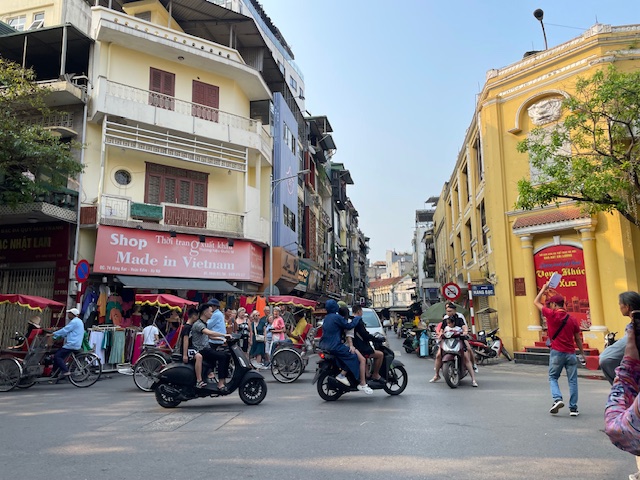
    Hanoi is the capital of Vietnam with a population of 8.5 million people, and 4 million motorcycles, so it was a very busy city. Hanoi has a very long history — first established in 1010, ruled by China for hundreds of years, and then colonized by the French following its victory over China in the Sino-French War (1884-85). It was ruled as part of French Indochina (together with Cambodia and Laos). The Chinese government entered northern Vietnam in August 1945, and Ho Chi Minh and leaders of the provisional government proclaimed Vietnam’s independence in September 1945.

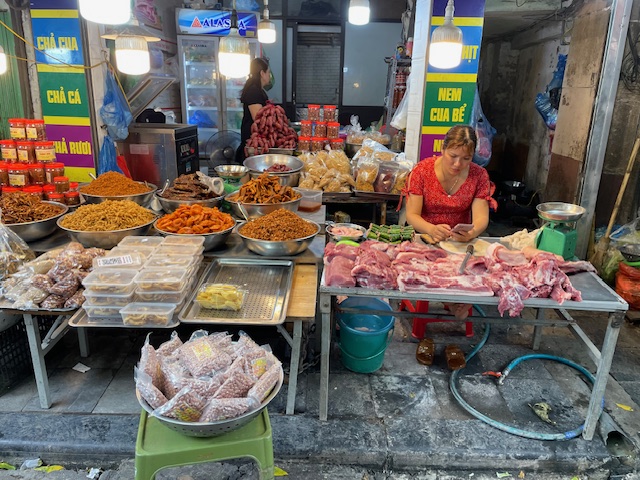
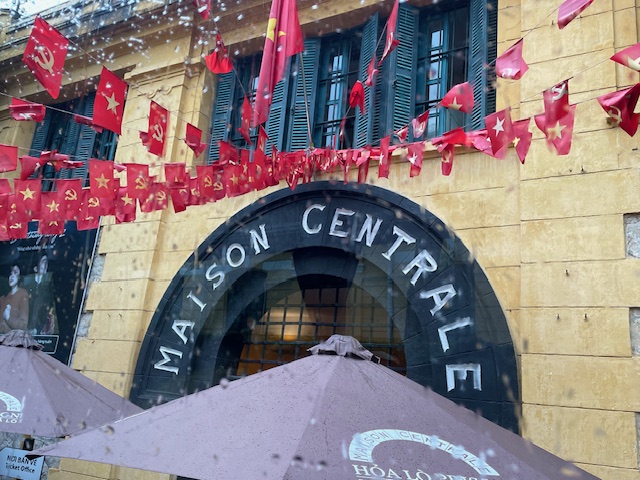
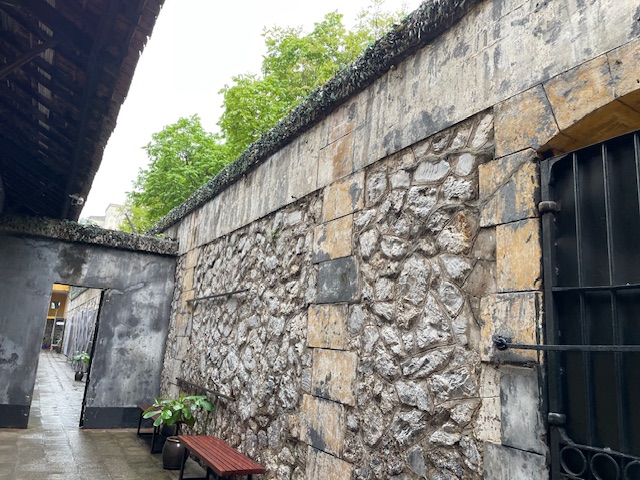
    In the morning of Apr 18, 2024 we started our all-day excursion with a drive through the Old Quarter of Hanoi to the Hoa Lo Prison (know also as the “Maison Centrale” in the picture below or the “Hanoi Hilton”). This prison was established during the 19th century and incarcerated thousands of Vietnamese during their rule. The prison was also the home of many U.S. prisoners of war during the American Vietnam War.
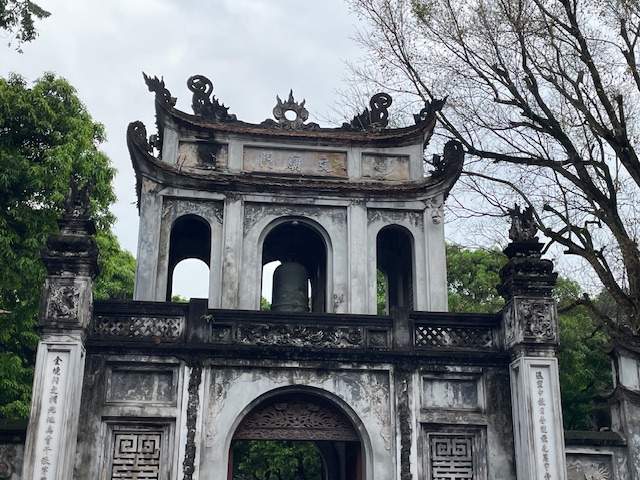
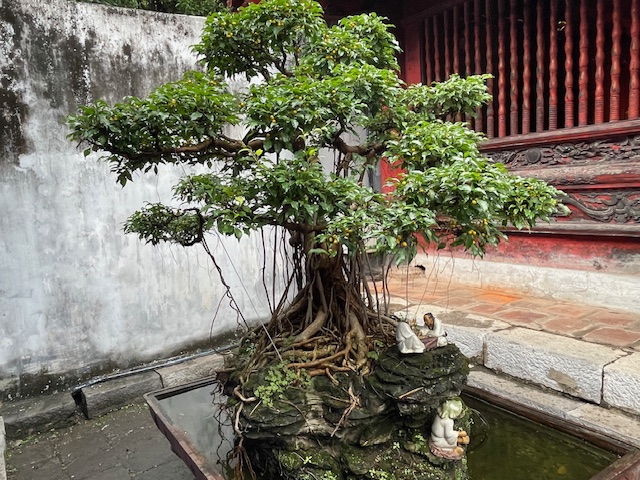
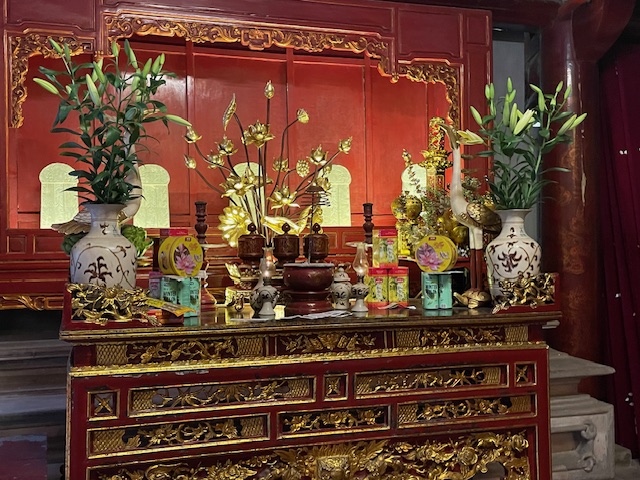
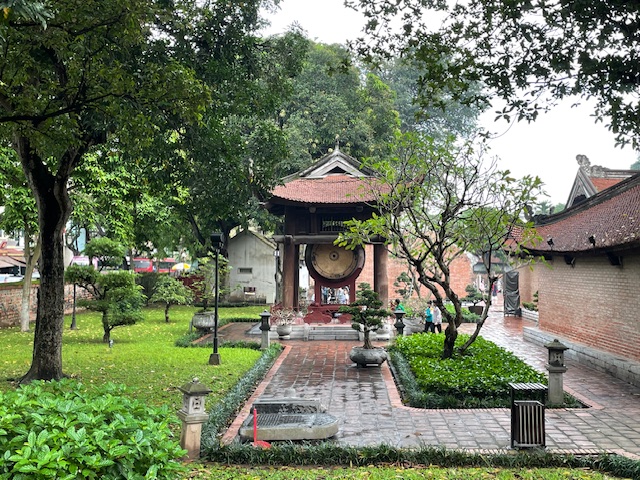
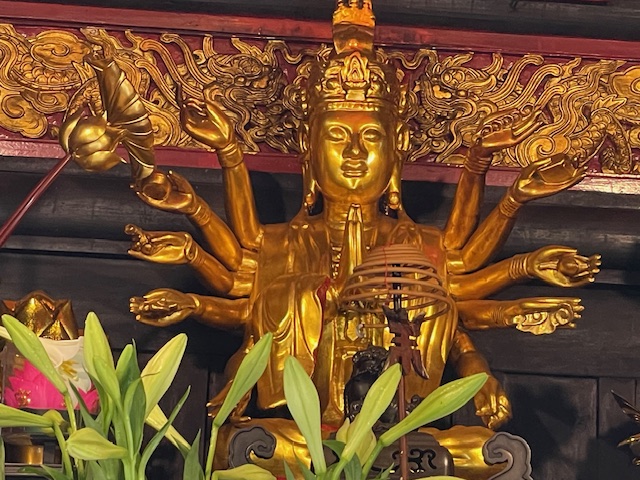
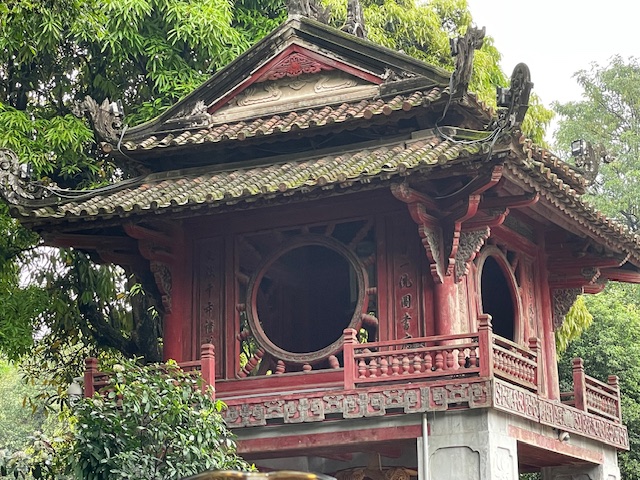
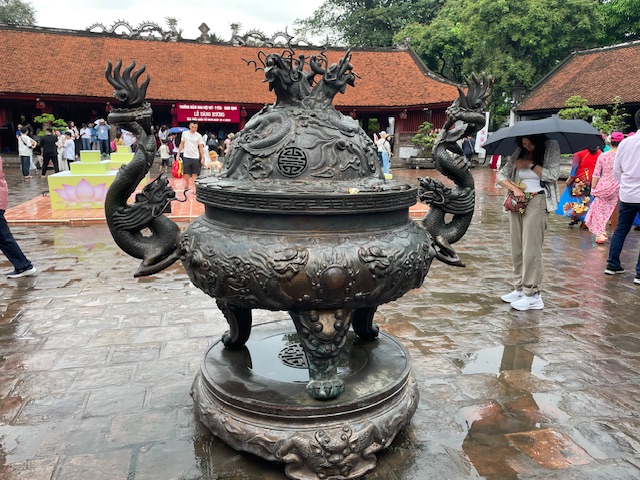
    We then went to the Temple of Literature, a temple which is dedicated to Confucianism, and has landscaped courtyards, numerous altars and shrines, and an impressive front gate. It is also the site of the first university in Vietnam that was established in 1076 as the Imperial Academy to educate Vietnam’s bureaucrats, nobles, royalty and other members of the elite. It remained opened until 1779, when the country’s capital was transferred to Hue by the king.
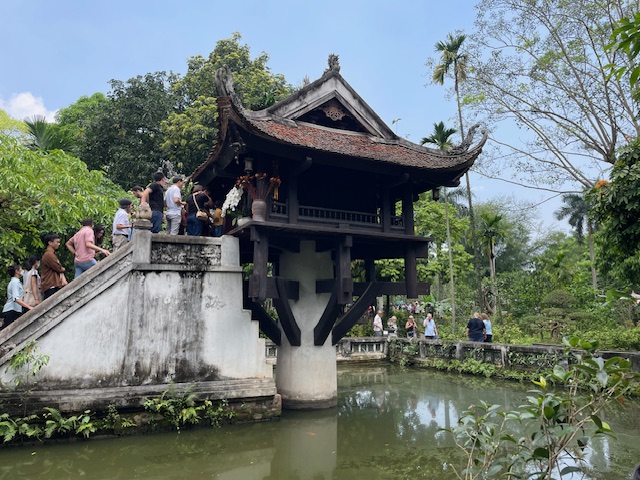
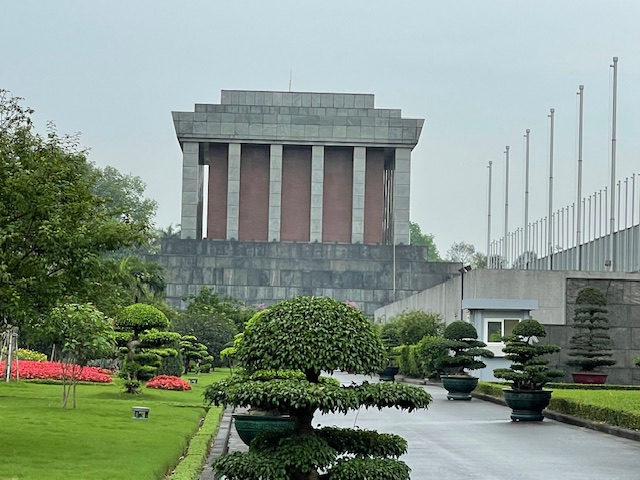
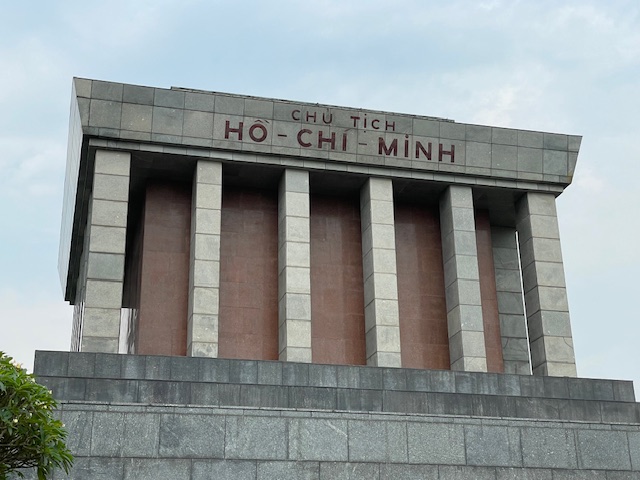
    Our next destination was Hanoi’s imposing Ba Dinh Square which is dominated by the impressive marble and granite tomb and mausoleum of the country’s first president, Ho Chi Minh, as well his stilt house and a pillar pagoda.
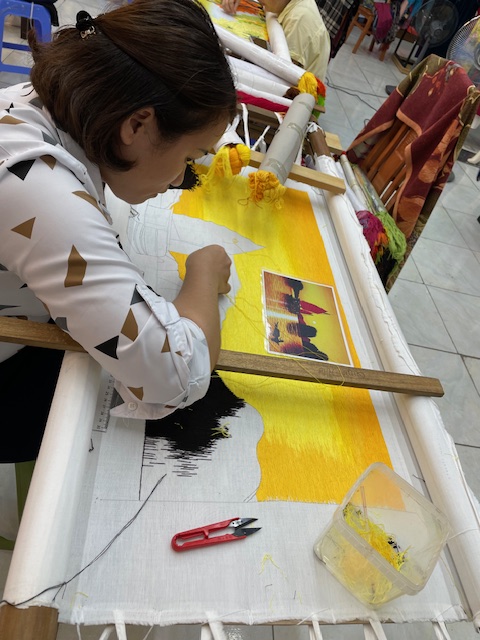
    We then left this area and headed off to a fine Viernamese lunch, before going to a store that featured local crafts people working on embroidery art, and many nice Vietnamese items of silk and jade. Chuck passed on ordering a silk suit, but Nancy found a nice jade bracelet.
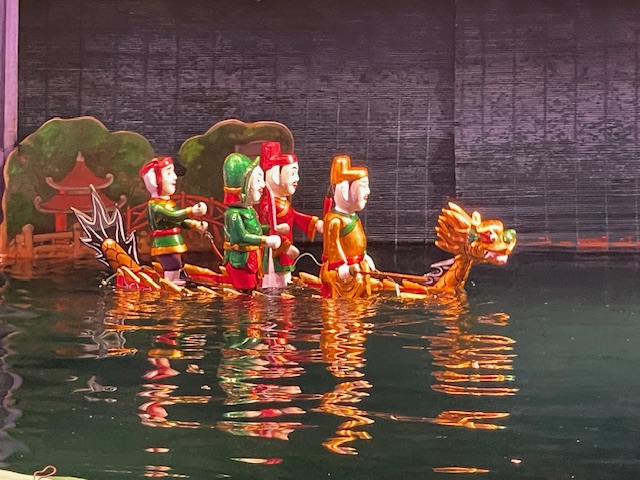
    From there we went to the Water Puppet Theater to enjoy a water puppet show accompanied by live folk music. It was great entertainment and a popular Vietnamese attraction.

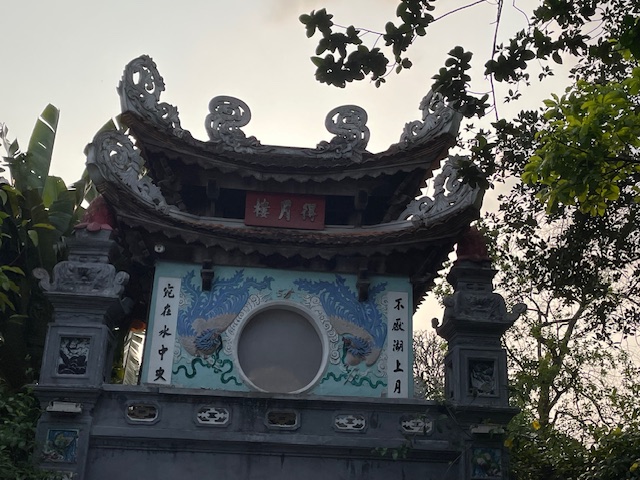
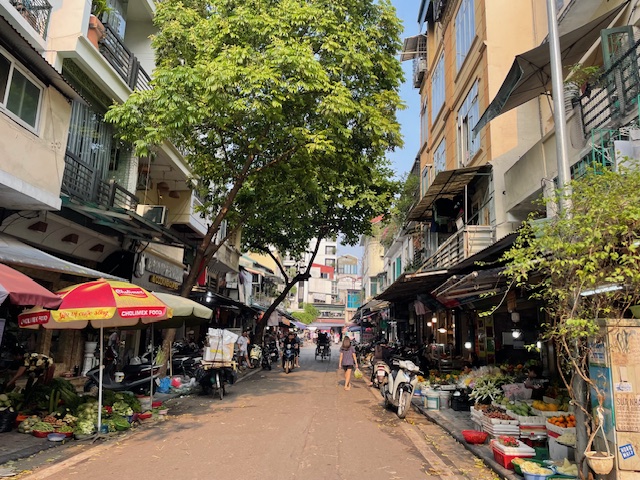
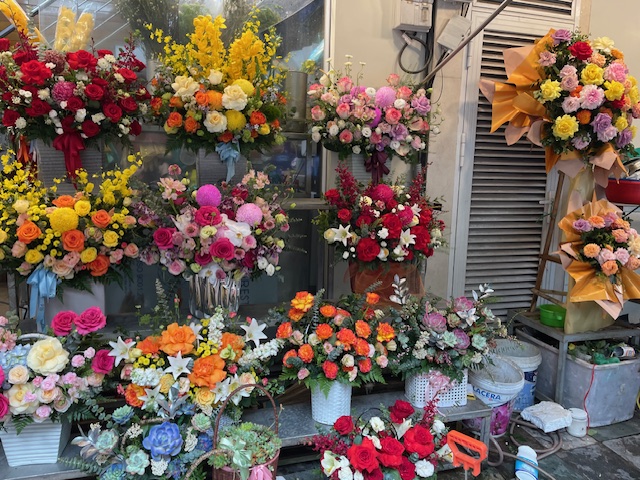
    After the water puppet show we had time to walk through old Hanoi and then visit another temple, the Ngoc Son Temple in the middle of Hoan Kiem Lake, before having dinner and leaving Hanoi to return to the ship. As we drove out of town, we passed the Hanoi Opera House (last picture below) which was built by the French during their occupation, and is modeled after the Paris Opera House. It was a reminder of the heavy French influence, especially in its architecture, all over Hanoi.
  • Apr 16, 2024 – At Sea (South China Sea)

    April 19th, 2024

    On Apr 16, 2024 we traveled through the Gulf of Tonkin in the South China Sea from Hong Kong to Ha Long Bay in Vietnam, a distance of approximately 500 miles. It was nice to relax after our time in Hong Kong.

  • Apr 13-15, 2024 – Hong Kong, Hong Kong

    April 19th, 2024

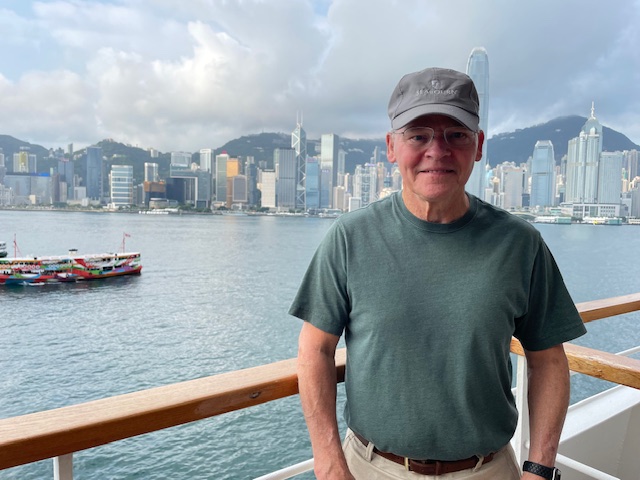
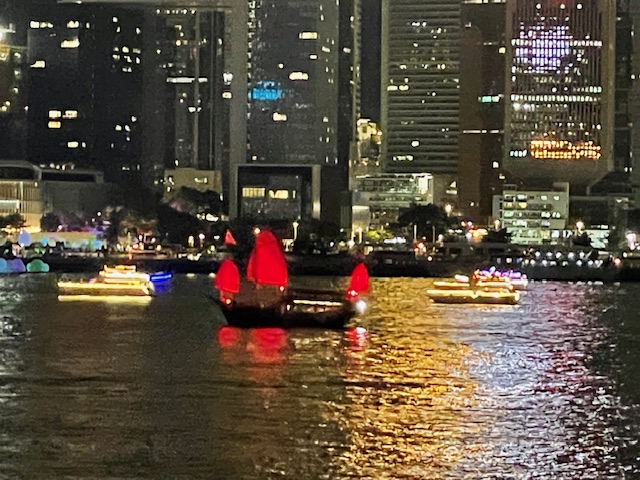
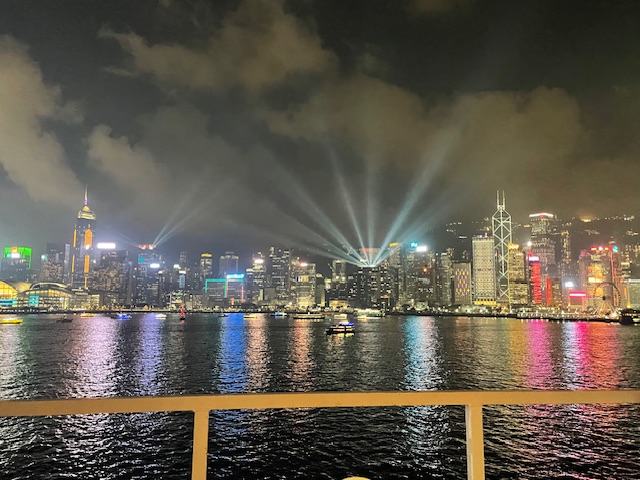
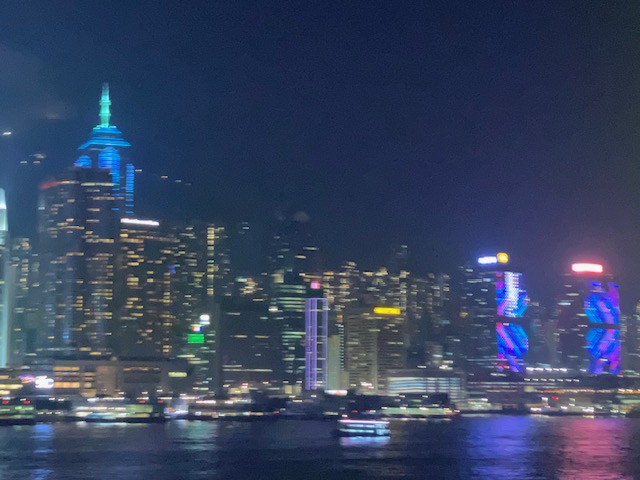
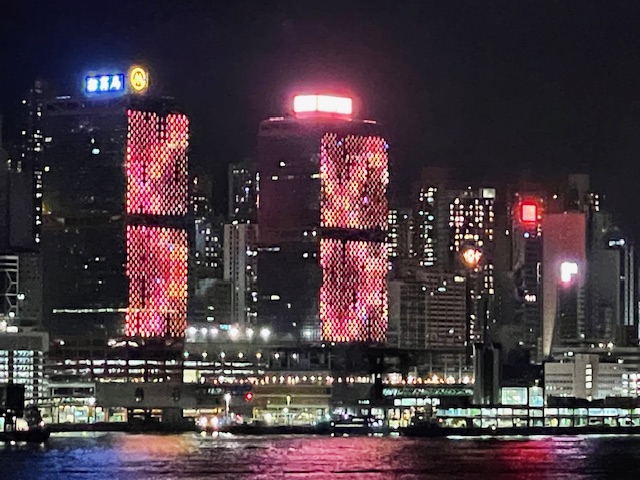
    We arrived in Hong Kong in the evening of Apr 13, 2024, and docked on the Kowloon Peninsula across from Hong Kong Island. It was an amazing sight to see the lights of this vibrant city.

    Hong Kong was established as a colony of the British Empire after the Qing Empire ceded Hong Kong Island in 1841-1842. The colony expanded to the Kowloon Peninsula in 1860 and was further extended when the United Kingdom obtained a 99-year lease of the New Territories in 1868. Hong Kong was occupied by Japan from 1941 to 1945 during World War II. The entire territory was transferred from the United Kingdom back to China in 1997.

    Hong Kong maintains separate governing and economic systems from that of mainland China under the principle of “one country, two systems”. It is treated as a special administrative region of the People’s Republic of China, with a population of 7.4 million people in a territory of 1,100 square-kilometers. It is one of the most densely populated territories in the world.

    Hong Kong is the world’s fourth-ranked global financial center, the ninth-largest exporter, and the eight-largest importer in the world. Its currency, the Hong Kong dollar, is the most traded currency in the world. It is the home of the second-highest number of billionaires in the world. But what it lacks is property, which is the reason for so many tall buildings on Hong Kong Island, Kowloon and the New Territories, most of which contain housing units (condominiums or rental apartments) for the country’s residents.

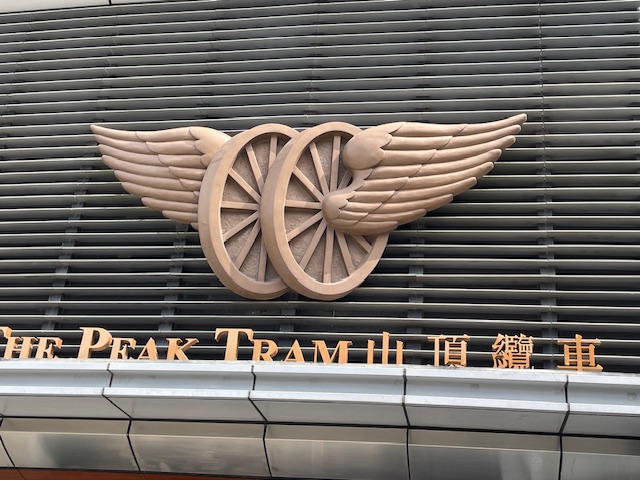
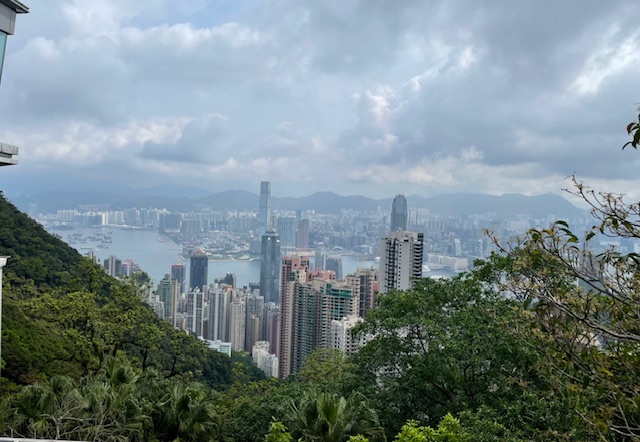
    On Apr 14, 2024 we took an excursion that initially took us through the Cross Harbor Tunnel to Hong Kong Island, and then up the Peak Tram, a steep tram that was built over 100 years ago, to Victoria Peak from which we had a great view of Victoria Harbor, Kowloon and the New Territories.

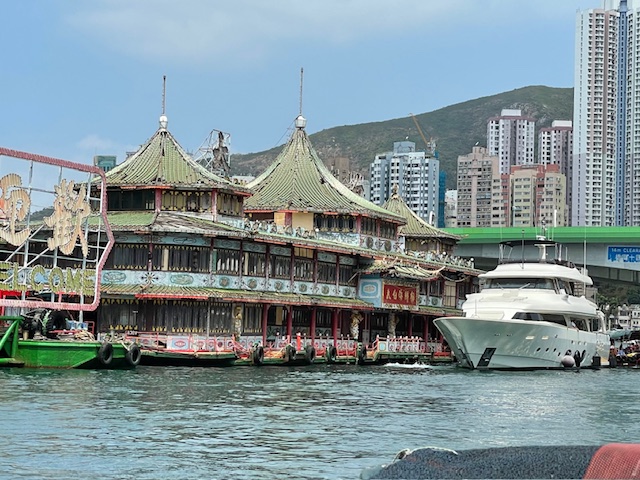
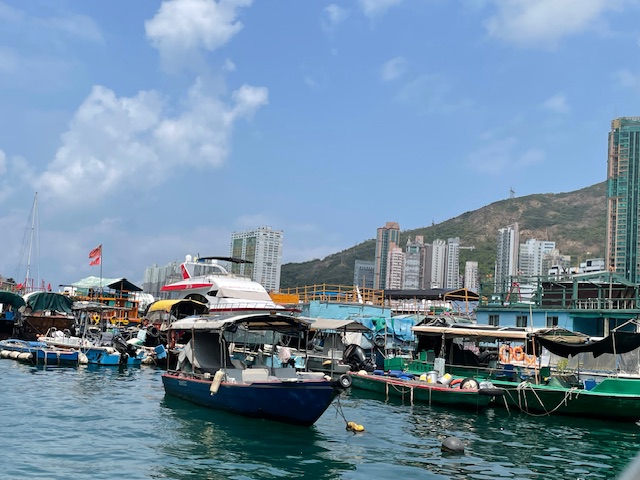
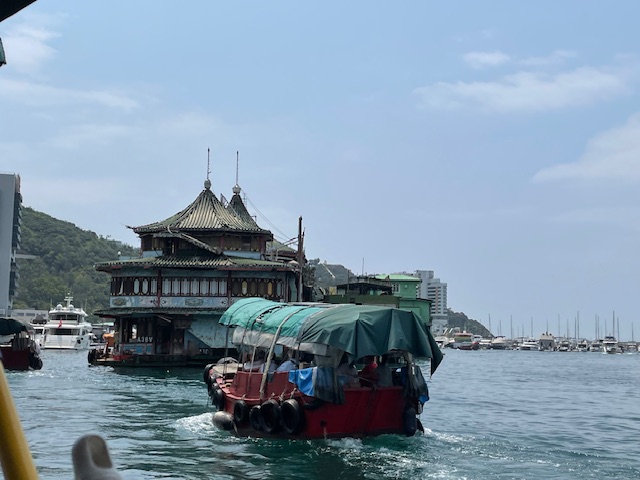
    Then we drove to Repulse Bay on the island’s southern shore where magnificent mega-million dollar homes line the roadway of this residential area. We continued on to Aberdeen, where we boarded a sampan for a cruise through the local harbor which includes the remains of a floating village of fishermen and their families, intermingled with expensive yachts.

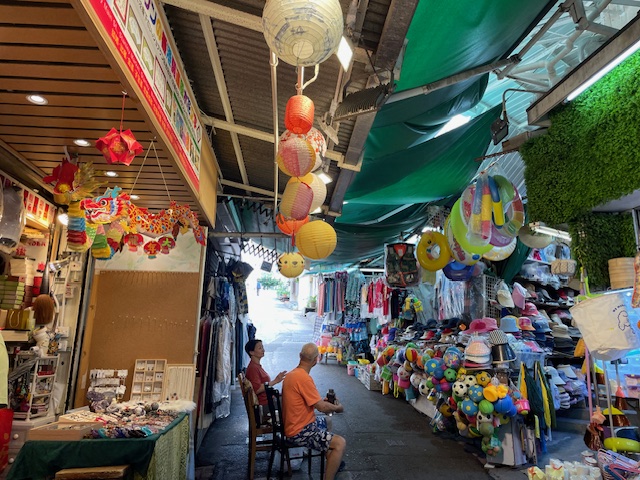
    Our next stop was at the busy open-air Stanley Market, with its narrow lanes lined with small shops selling silks, luggage, knock-offs and souvenirs. It was an interesting place just to walk through and experience the local Hong Kong retail culture.

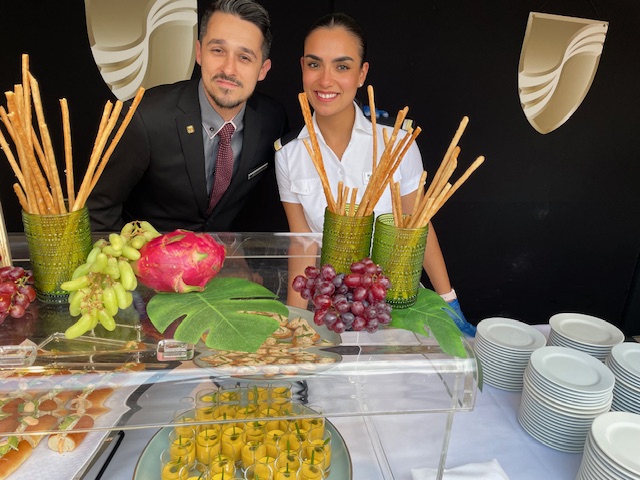
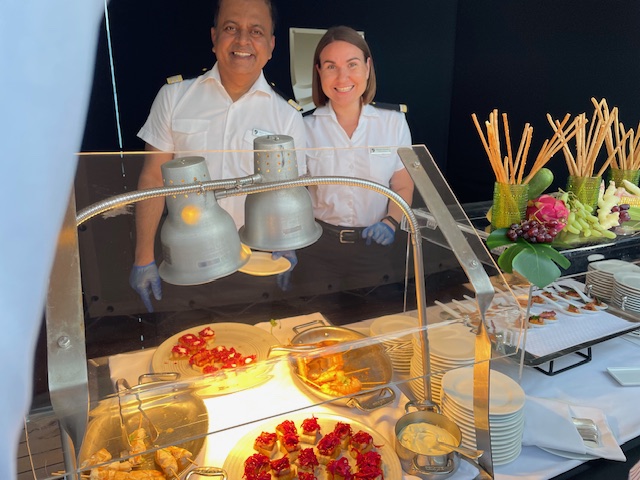
    We returned to the ship and spent the afternoon enjoying a special Epicurean event during which the ship’s officers served great food and drinks by the pool.

    Later in the evening, we had dinner on the aft deck and, from our table, enjoyed a light show on Hong Kong Island that is presented each night at 8:00 P.M. It was a great way to end our first day in Hong Kong.

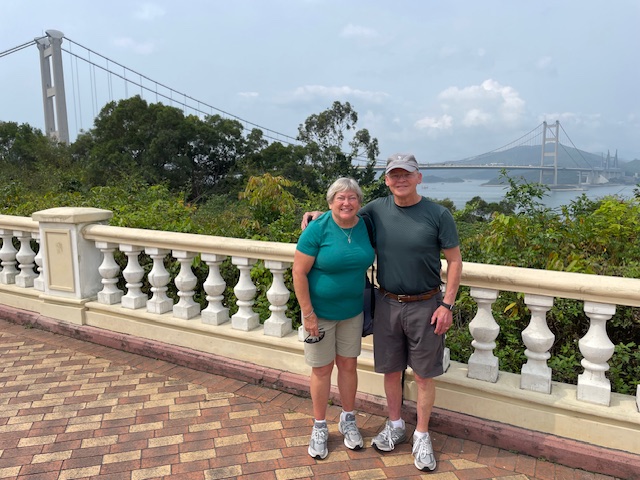
    On Apr 15, 2024 we took another excursion, this time to Lantau Island, Hong Kong’s largest island. To get there we crossed the world’s longest suspension bridge that includes both auto and rail traffic — the Tsing Ma Bridge, which is 1.47 km in length.

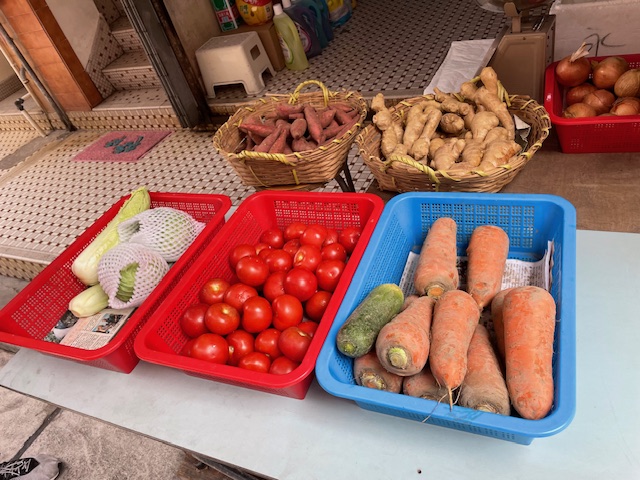
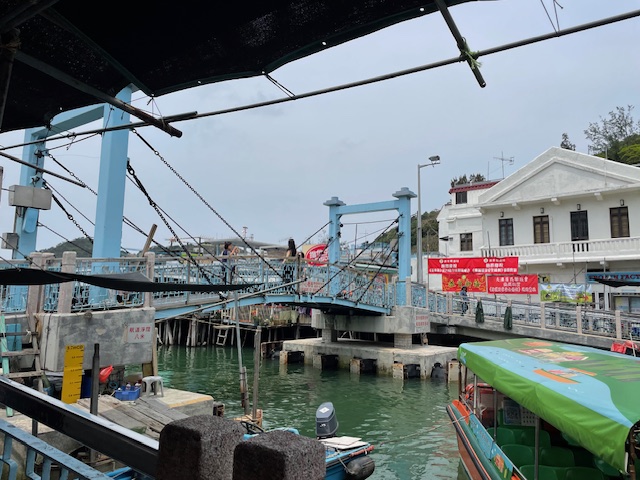
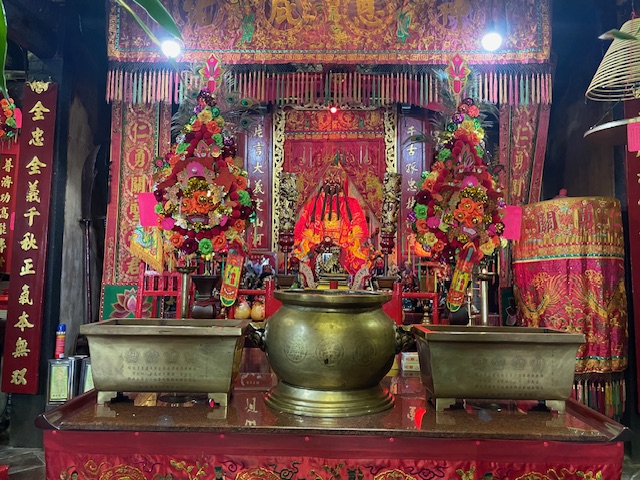
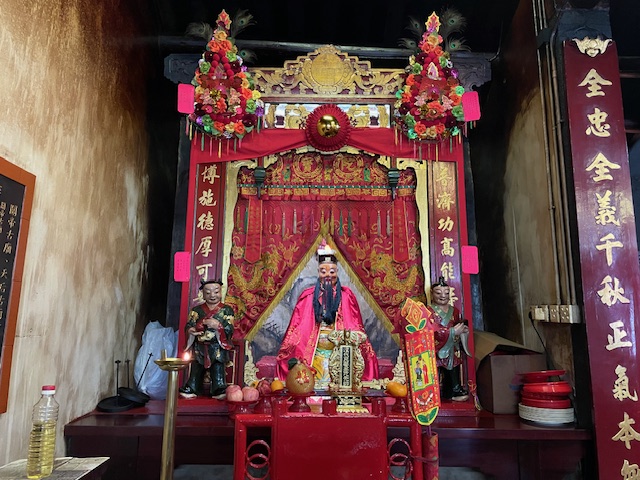
    Then we stopped at Tai O, a small fishing village with traditional stilt houses and fishing shanties along the water’s edge. We had time to walk through the village and see some of the local retail shops, vegetable and fish stalls, and an old temple.

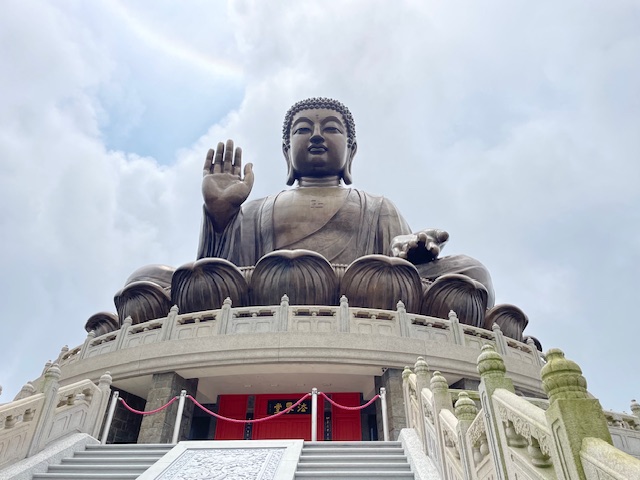
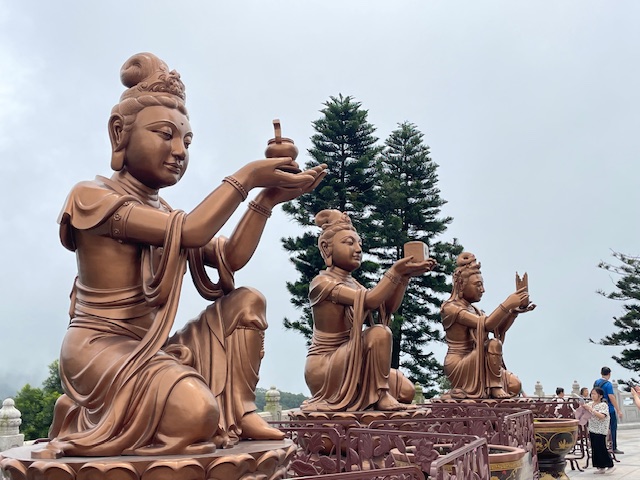
    We continued on our excursion by driving to the Po Lin (Precious Lotus) Monastery, atop a mountain in the island’s interior. Nearby is the world’s tallest outdoor Buddha statue, the Tian Tan Buddha. The bronze figure is more than 100 feet high and weighs more than 275 tons.

    After visiting the Buddha statue, we had a traditional vegetarian lunch at the monastery’s refectory. It was a meal, in which each table shared eight or ten different dishes, and was delicious.

    We then visited Ngong Ping Village, a culturally themed venue designed to reflect the historical and spiritual influences of the area.

    From there we boarded a cable car for a 23-minute ride over the South China Sea from which we could see Hong Kong International Airport, Landau Island’s mountainous terrain, and the Tian Tau Buddha statue, as well as many very large housing projects for the large number of Hong Kong citizens in this relatively small area. Most of the housing is government subsidized housing apartments (400-600 square feet in total area). Residents commute to Hong Kong Island and Kowloon on a modern subway system.

    We left Hong Kong that evening, and again experienced the beautiful lights of this great city.

  • Apr 11-12, 2024 – At Sea (East China Sea and Taiwan Strait)

    April 13th, 2024

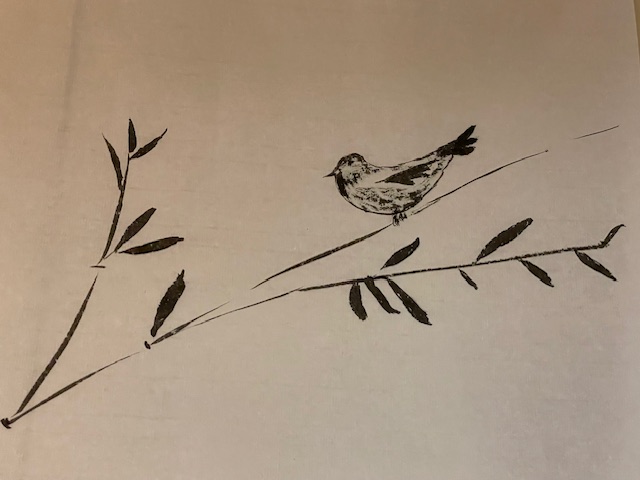
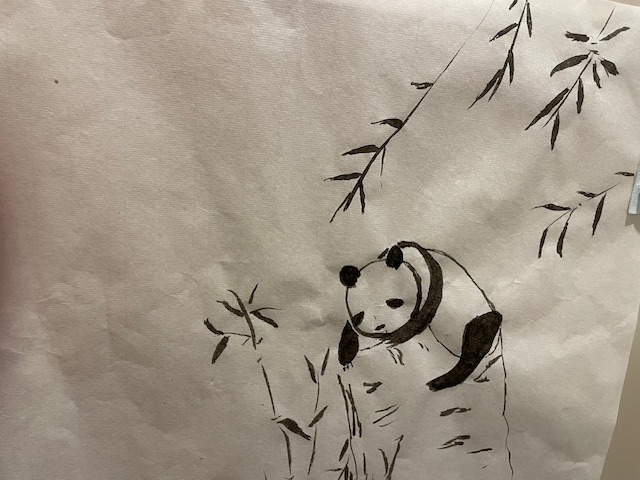
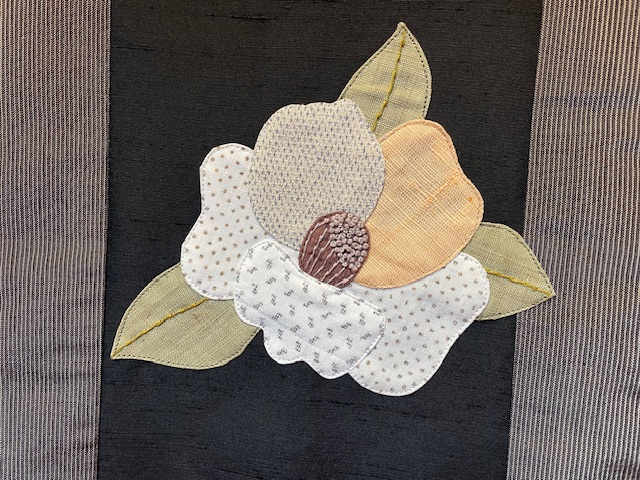
    On Apr 10, 2024, we left Shanghai and spent the next two days at sea on the 764-mile journey to Hong Kong, initially in the East China Sea, and then in the Taiwan Strait, the body of water separating China and Taiwan. The two days were spent relaxing after all of the excursions that we had been on during the past two weeks in China and Japan. Nancy spent time at art classes (water color and beading) creating new pieces like those below.

    We were supposed to dock at Hong Kong in the morning of Apr 13, 2024, but that was delayed as we had to change course and head toward Taipai due to a medical emergency on board that required an evacuation. In addition, the motor on one of the ship’s propellor’s wasn’t working properly, and a replacement part would not be available until we docked in Hong Kong, so our speed was reduced from 18 knots to 13 knots. None of this was a disaster and the day was just filled in with activities as on any other sea day, and we just relaxed some more.

  • Apr 8-10, 2024 – Shanghai, China

    April 12th, 2024

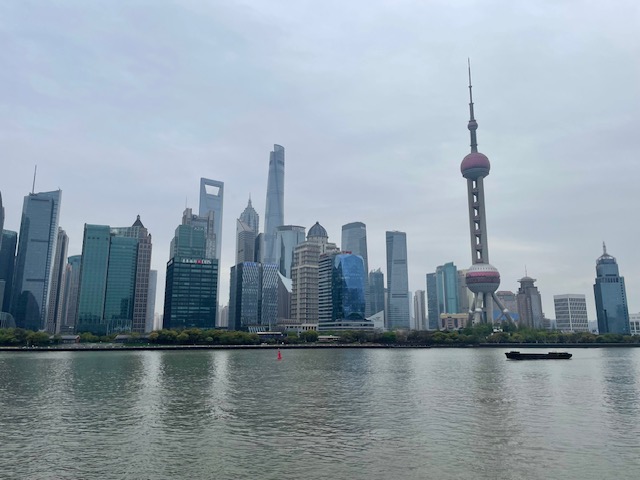
    In the afternoon on Aug 8, 2024 we docked at Shanghai, China for a three-day stay. Shanghai is a city of over 26 million people located on China’s central coast. It is the largest city in China and a global financial hub. Its heart is the Bund, a famed waterfront promenade lined with colonial buildings that were built in the early part of the 20th century when the country was first opened up to western trade. Today Shanghai is referred to as “the Paris of China” and “the Pearl of the Orient” and is a shining symbol of the economic emergence of China.

    China, officially the People’s Republic of China, has a population of 1.4 billion people and is the world’s second-most populous country (after India). It spans the equivalent of five time zones and borders fourteen countries by land.

    As soon as the ship was cleared by the Chinese immigration authorities, we decided to take off on our own to explore. We were headed to the Bund area, which is the most famous area in Shanghai. It was a long walk to get there, but eventually we made it and experienced the excitement of this beautiful city. The entire city that we saw was very clean and there were trees and flowers everywhere.
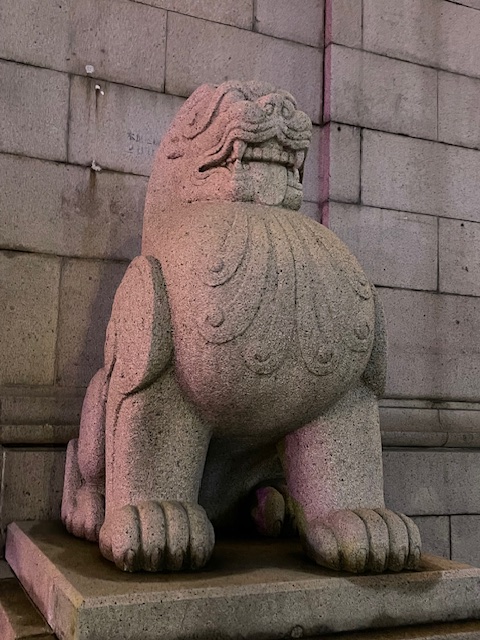
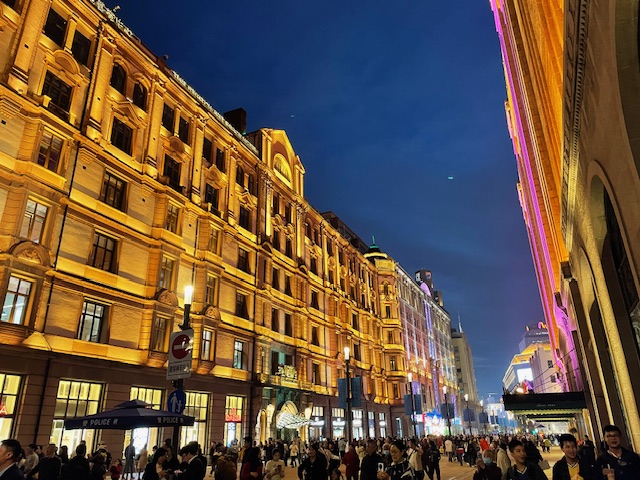
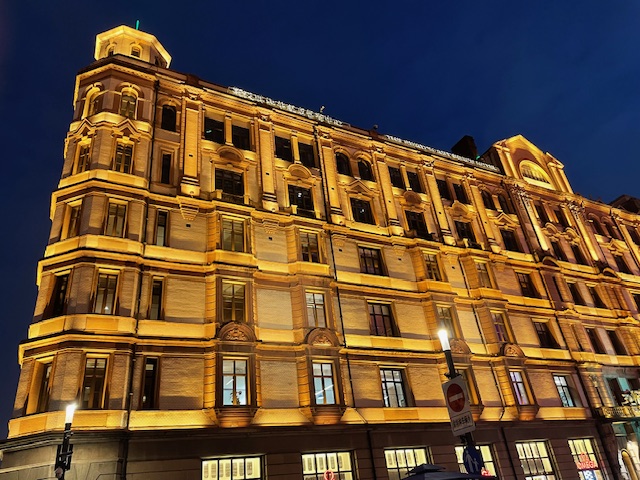
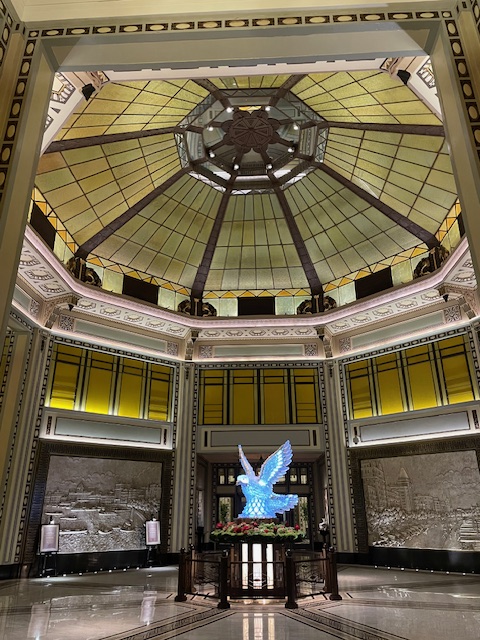
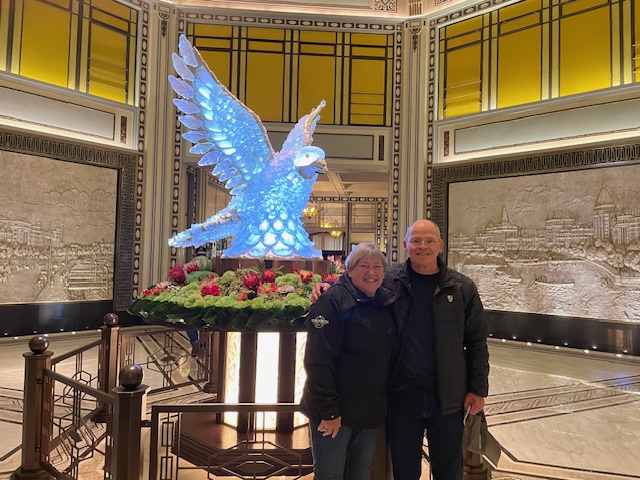
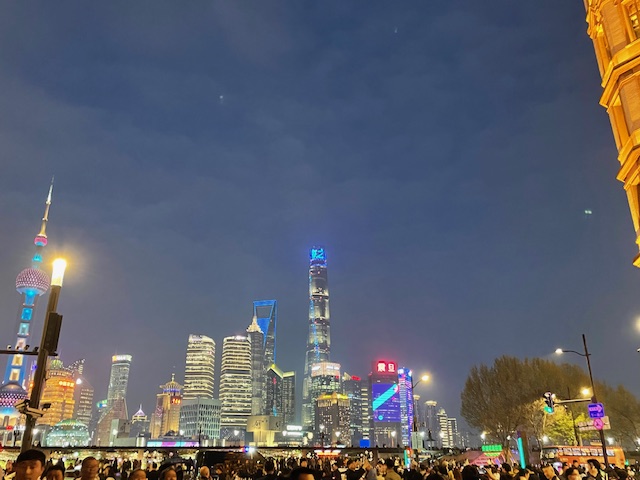
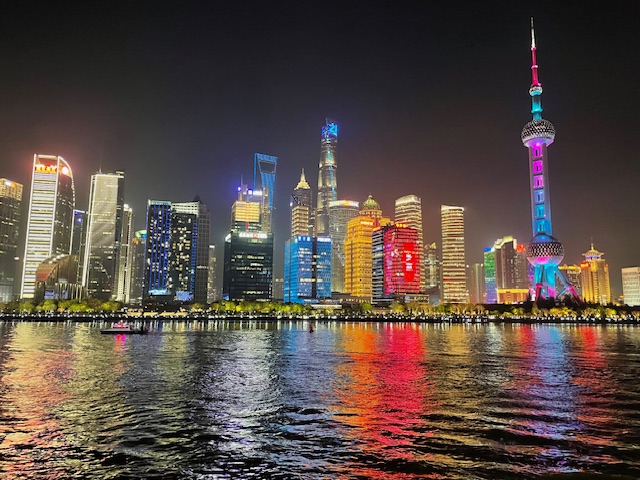
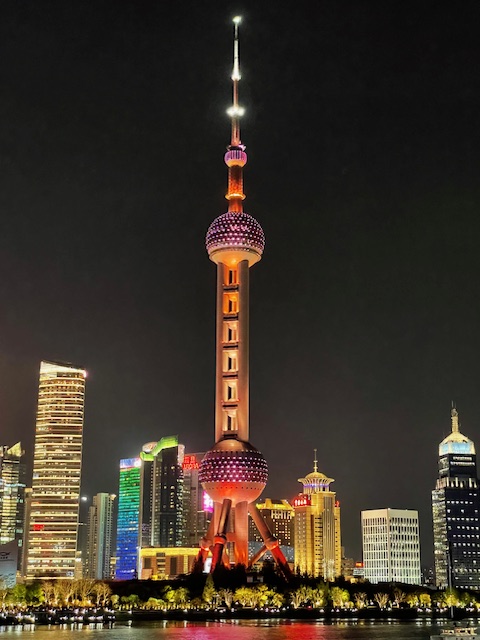
    We made our way to the Peace Hotel that is an iconic hotel now managed by the Fairmont Group. It is at the center of a busy shopping area with many world class retailers, as well as local merchants, and restaurants and bars. The entire area was very lit up and looked like Times Square in some respects. Across the Huangpu River was the Pudong area, which is Shanghai’s financial district and home to some of its more famous buildings, including the Oriental Pearl Tower, one of the city’s iconic landmarks. At night the buildings are all lit up generating a spectacular scene.

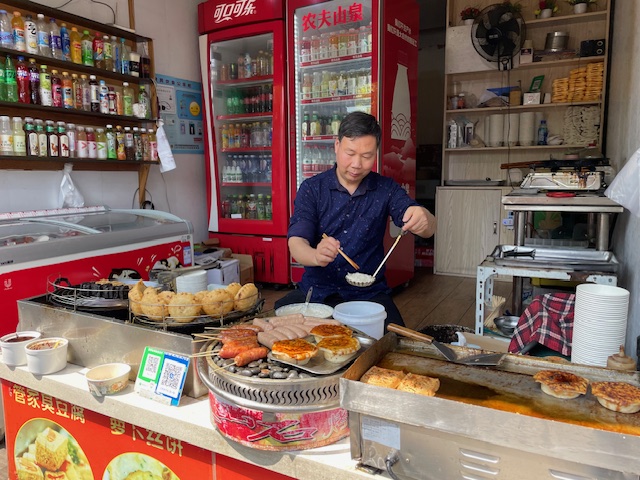
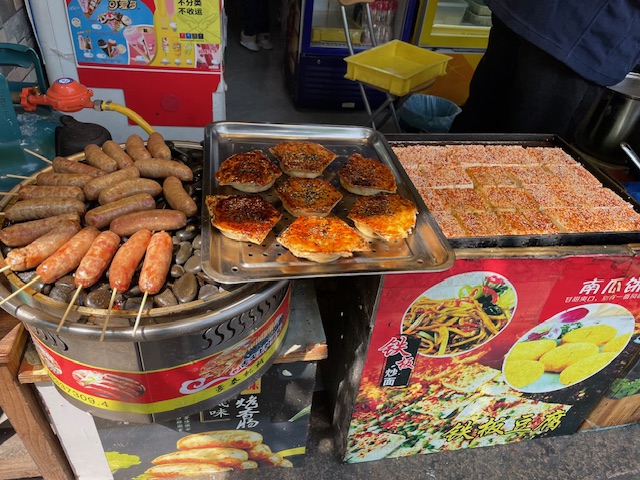
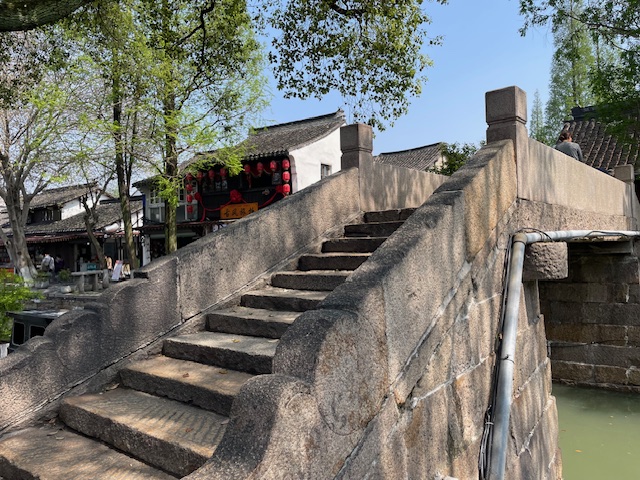
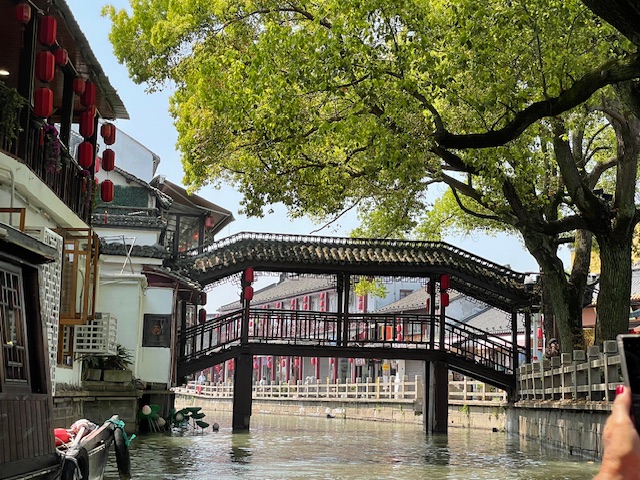
    On the morning of Aug 9, 2024, Nancy went on an all day excursion that initially stopped at Zhujiajiao, an ancient water town well known throughout the country for its history of more than 1,700 years. The town covers an area of 18 square miles and consists of many alleyways that allowed a view of the stone and wooden structures known for their simplicity and elegance. Old bridges cross streams and small rivers, many shaded by willow trees, and old houses with attached courtyards and their peaceful tranquility contrasts with the hustle and bustle of the city. We took a boat ride on the river, and walked the alleyways filled with local shops, and an old post office, and pharmacy (in operation since 1877).

    We also viewed and crossed the Fangsheng Bridge, which is the most famous bridge. Built in 1577, it is the longest, largest and tallest stone bridge, with five openings.

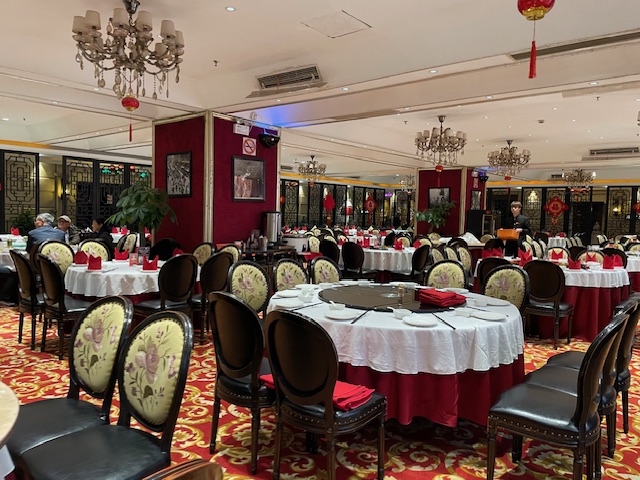
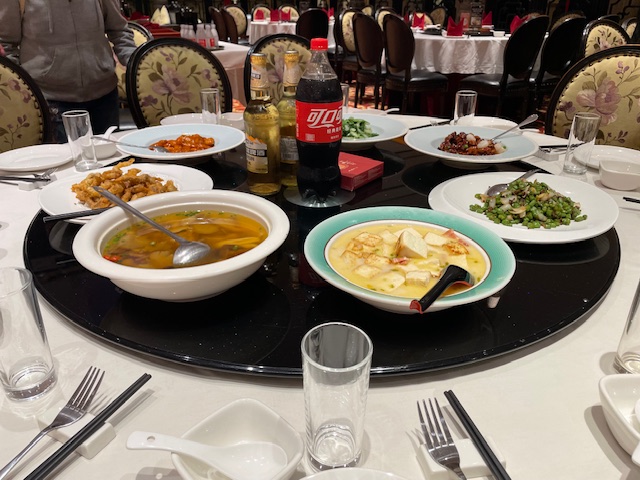
    Our next stop was for lunch at a restaurant in Shanghai. It was a beautiful place with a latge selection of things to eat and drink.

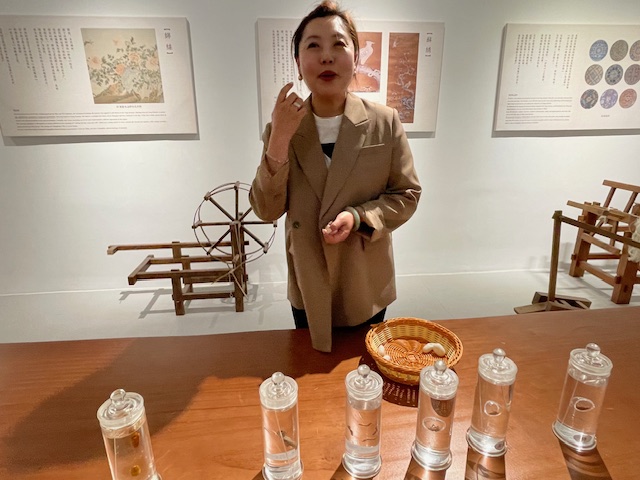
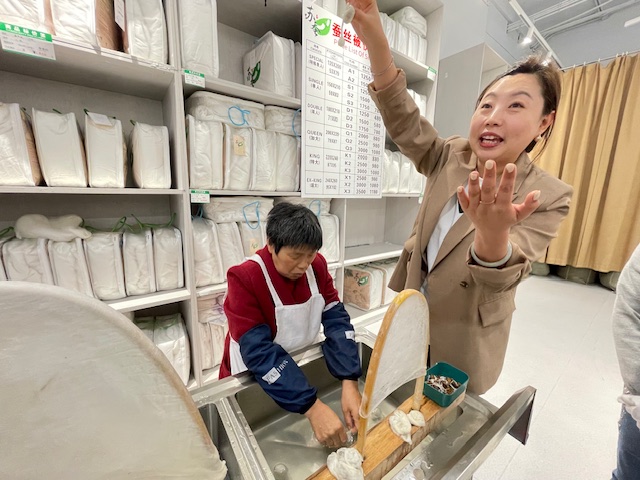
    After lunch we went to the Sucan Silk factory where we got to see how silk is produced by silk worms and turned into fine silk fabric. We also were able to shop in the store where they had a wide variety of silk products and clothes.

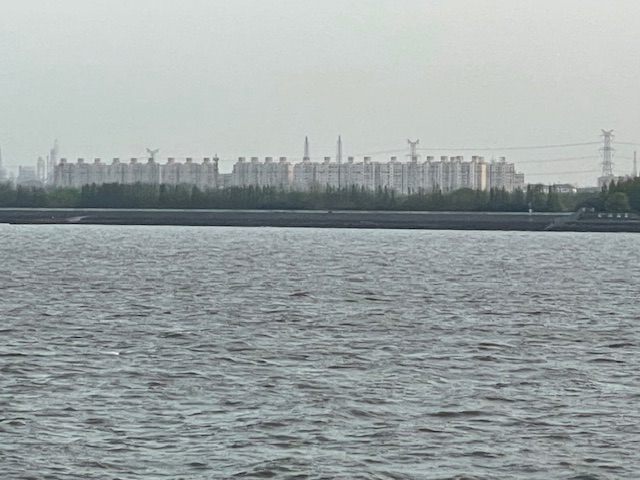
    Later on in the evening we again enjoyed the sights of Shanghai from our ship, and on the next morning we left Shanghai and set sail for Hong Kong, our next destination. As we sailed out of the large Shanghai harbor we passed hundreds of large skyscrapers in the background that are condominiums and rental properties for the millions of people that live in this area.

  • Apr 7, 2024 – At Sea (East China Sea)

    April 7th, 2024

    Today we continued our 500-mile journey west on the East China Sea to our destination, Shanghai, China. It was a quiet day that we thoroughly enjoyed after so many busy days in Japan and South Korea. We were able to listen to a number of conversationalists that talked about their experiences in China and the changes that have taken place in that country over the past 50 years, taking it from one of the poorest countries in the world in the 1970’s to the second largest economy in the world, with a population of 1.4 billion people.

  • Apr 5-6, 2024 – Nagasaki, Japan

    April 7th, 2024

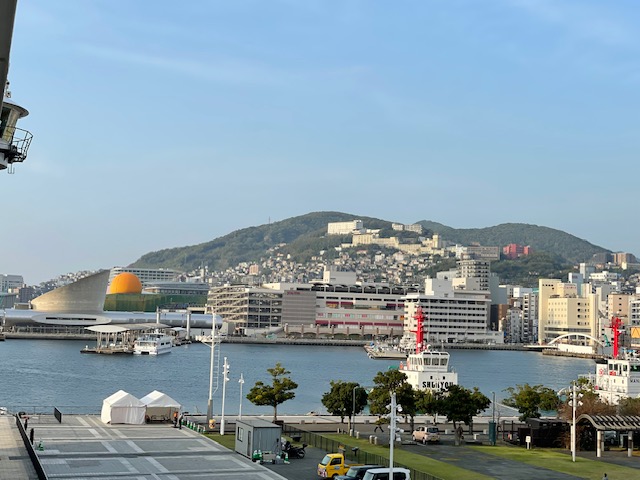
    On Apr 5, 2024 we docked at Nagasaki, Japan after traveling 360 miles from Yeosu, South Korea. Nagasaki is located on the northwest coast of Kyushu Island. Kyushu is the southernmost and third largest of the four main islands in Japan. It is bordered by the East China Sea to the west and the Pacific Ocean to the east. Nagasaki has a population of 430,000 people, and is synonymous with the second atomic bombing on Aug 9, 1945.

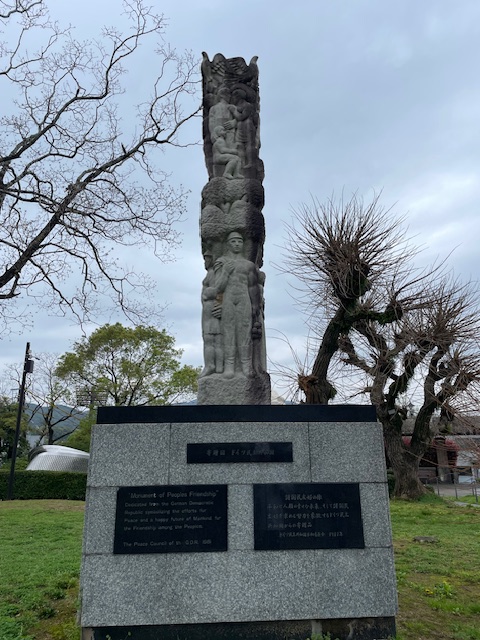
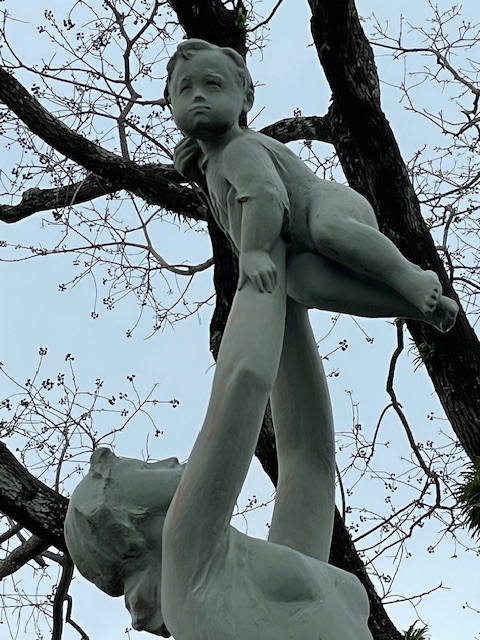
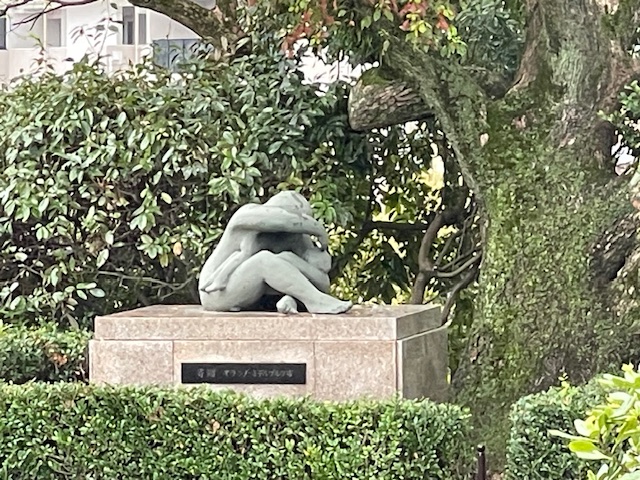
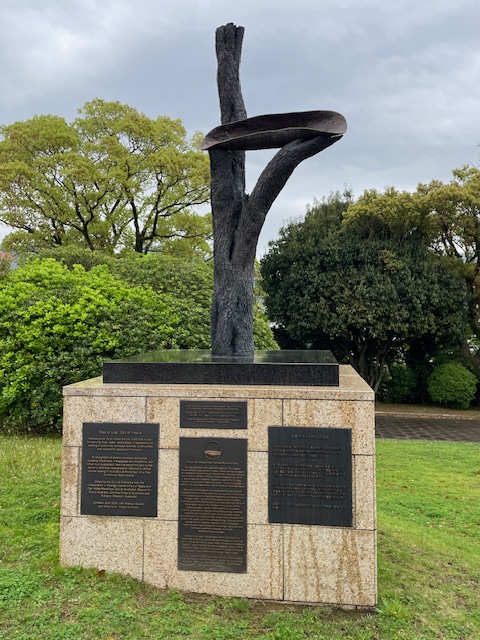
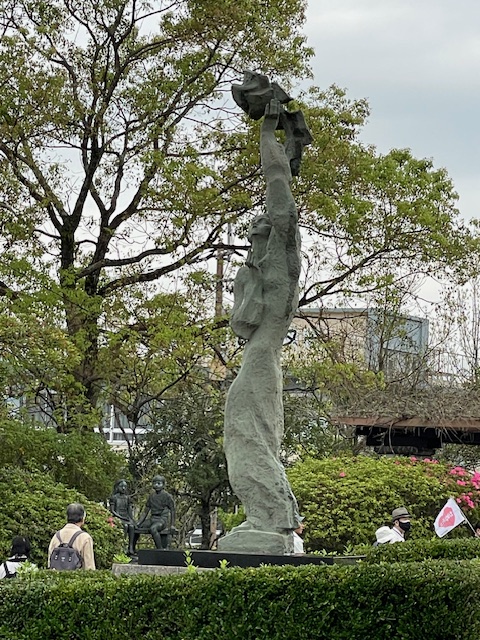
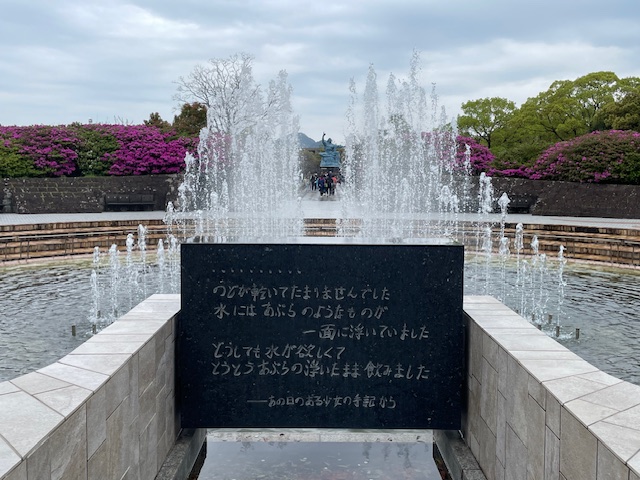
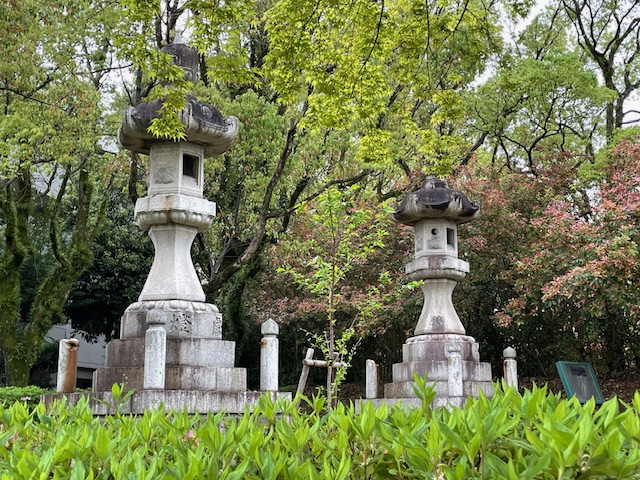
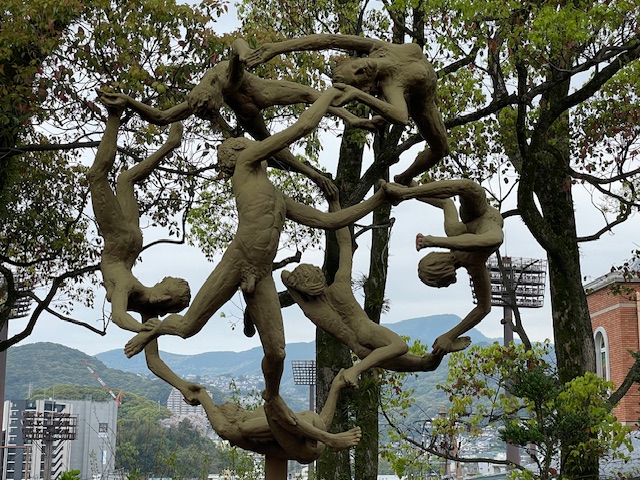
    On our first day in Nagasaki we took an excursion that initially took us to the Nagasaki Peace Memorial Park. It was built in 1955 to honor those who died in the atomic bombing (80,000 people were killed directly, with an equal number suffering injuries), and to promote peace. There were many memorials built by countries from all over the world in this park. A Nagasaki native created the statue that is the focal point of the park — a 30-foot tall symbol of the quest for peace (the first picture below).

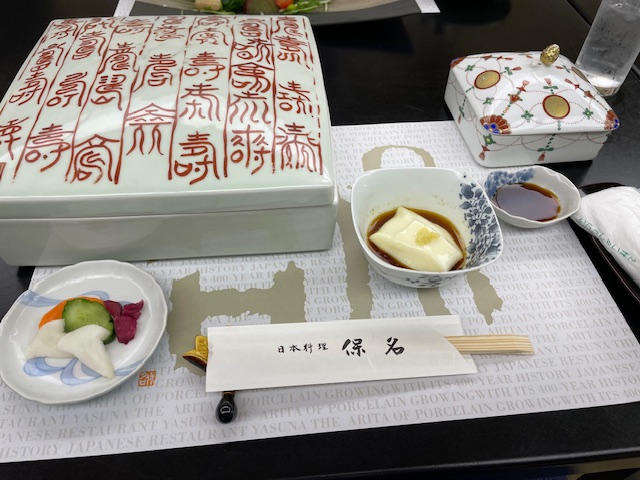
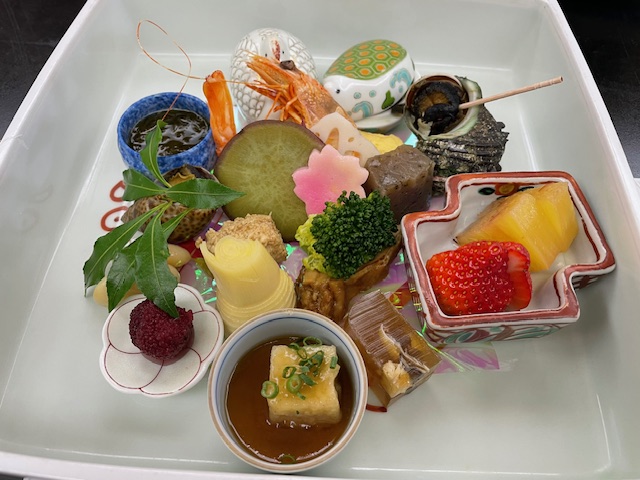
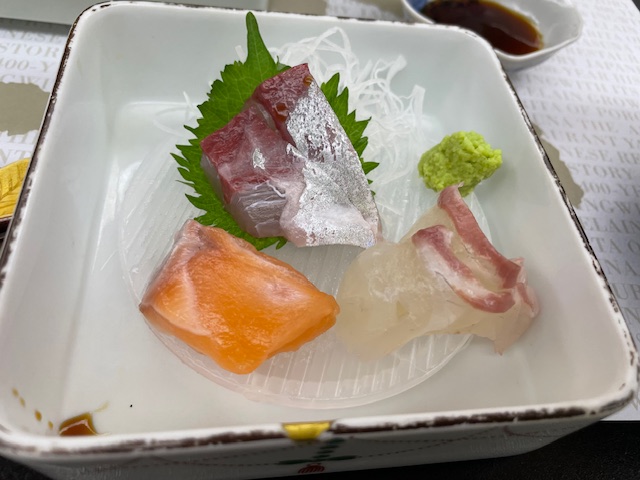
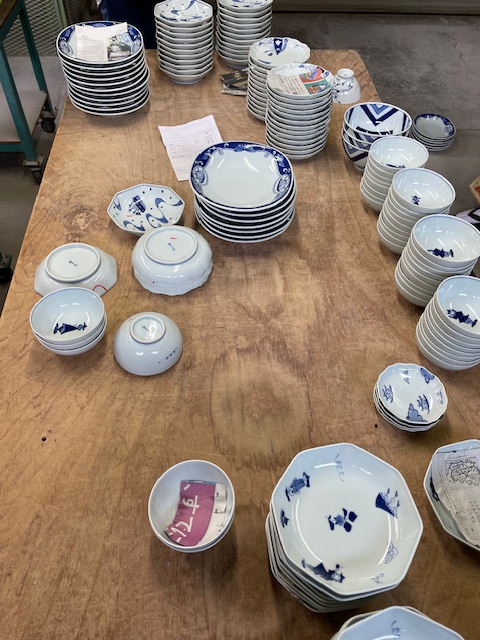
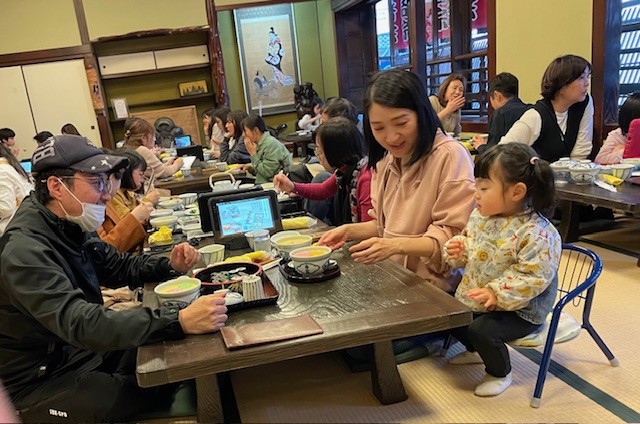
    Our next stop was for lunch where we enjoyed a very nice Japanese lunch served in porcelain bowls containing many different types of food. Fortunately other people on our tour had traveled to Japan before, so they could help us figure out what we were eating. It was all delicious.

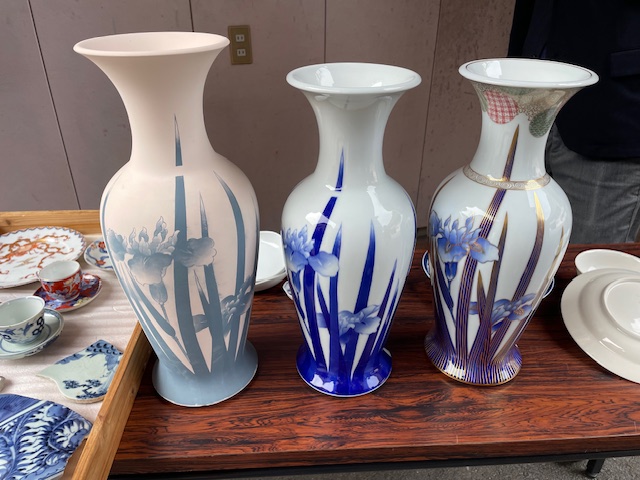
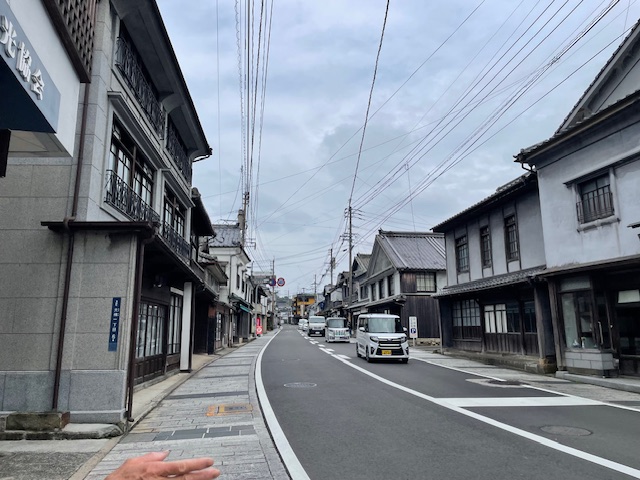
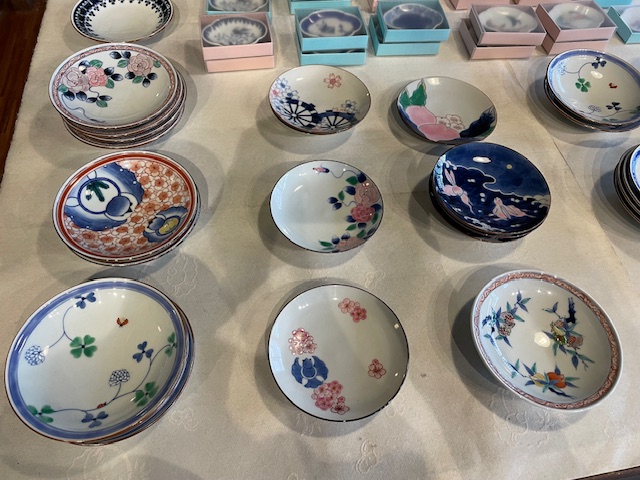
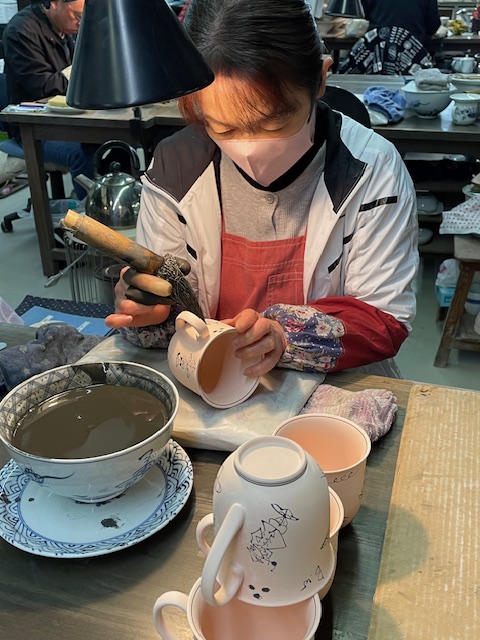
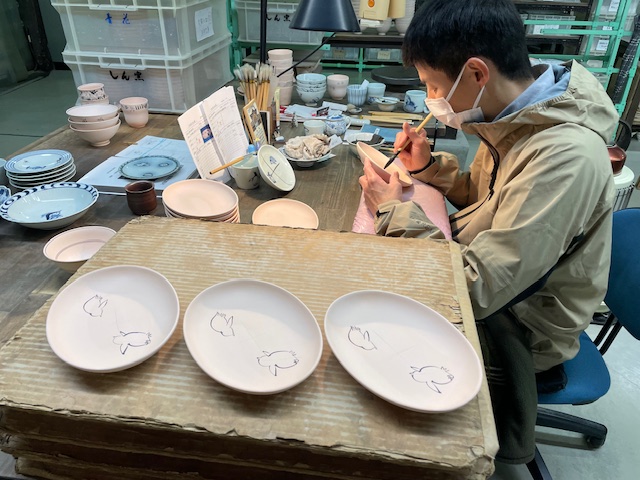
    After lunch we traveled to Arita, the birthplace of porcelain manufacturing. We visited a local ceramics kiln, and were able to see local artists at work as they demonstrated such techniques as throwing, painting, glazing and firing the material.

    At the end of the day, we headed back to the Nagasaki port for the evening.

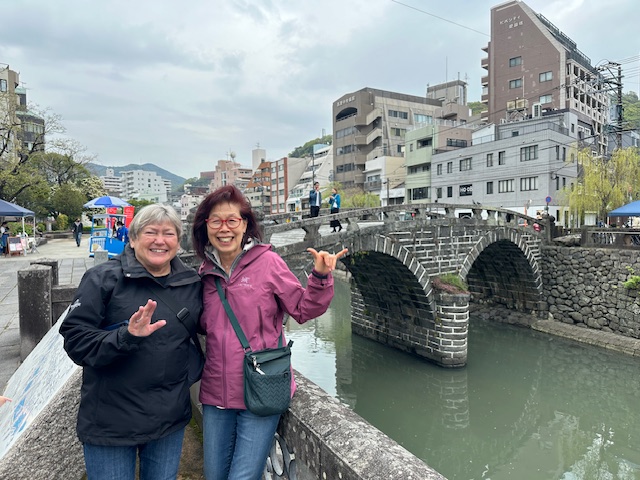
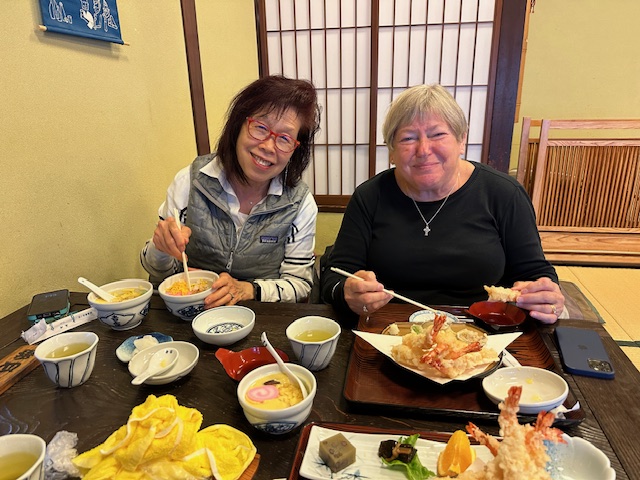
    On Apr 6, 2024, Nancy went into town with two friends that we had met on the ship — Patrick and Winnie. Chuck stayed back to rest and catch up on some things. Their explorations took them to some of the neighborhoods in Nagasaki, the Urakami-gawa River and its “Spectacle Bridges” from the 17th century (because the arches and the reflections in the water look like spectacles), some shopping, and a Japanese lunch.

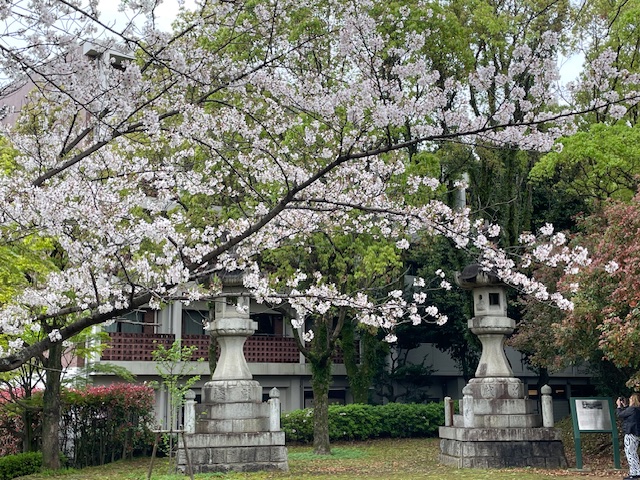
    That evening we left Nagasaki, Japan and started our 504 mile journey across the East China Sea to Shanghai, China. Our time in Japan was marked with beauty (especially with the cherry blossoms in full bloom), history, cleanliness, and a very friendly people. We enjoyed all of our time there.

  • Apr 4, 2024 – Yeosu, South Korea

    April 7th, 2024

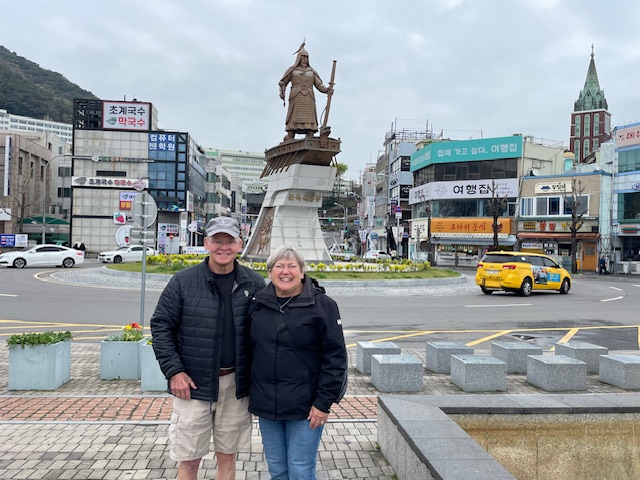
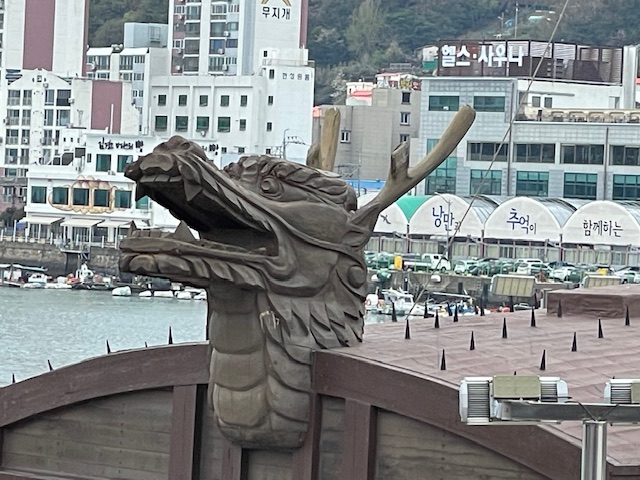
    On Apr 4, 2024 we docked at Yeosu, South Korea. Yeosu is a coastal city, lying about midway along the southern coast of South Korea. The city consists of the Yeosu peninsula and 317 islands (40 inhabited), with a population of 300,000 people. It is a city of history and was the base for Admiral Yi Sun Shin who created the Geogukseon or “turtle ship” to save the country while serving as the Navy Commander when Japan attempted to invade Korea in the 16th century. Yeosu is one of the country’s most picturesque port cities, and is developing into an international ocean resort and tourist destination.

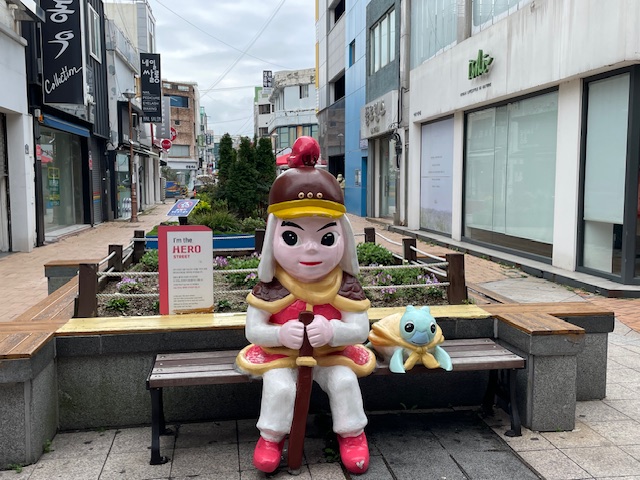
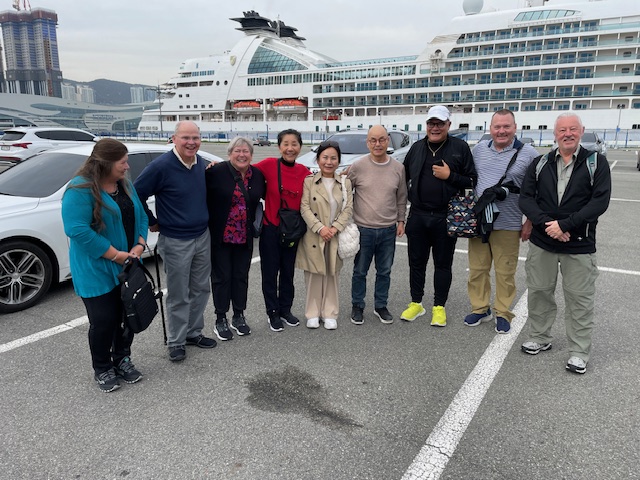
    We decided to skip any excursions today and went into the city with Young Mi to explore and do some shopping. It was fun to just wander through the city streets and enjoy the day. Along our trek we ran into other guests on the Seabourn who decided to do the same thing we were doing.

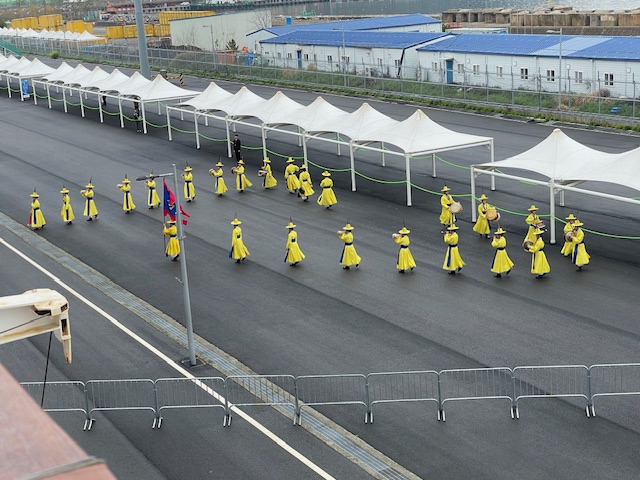
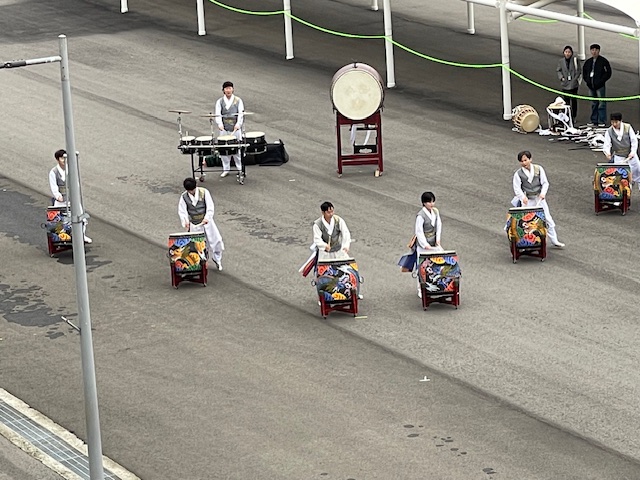
    When we got back on board we were able to watch some local entertainers on the dock from our balcony as we sailed away from the Yeosu. It had been a really great time for the three days we were in South Korea.

  • Apr 2-3, 2024 – Busan, South Korea

    April 7th, 2024

    On April 2, 2024 we docked at Busan in South Korea (officially the Republic of Korea (ROK)). Busan is the second largest city in South Korea. It is a maritime logistics hub located on the southeastern tip of the Korean Peninsula. It’s population is 3.5 million people, compared to the Seoul Capital Area’s population of approximately 25 million people; the total ROK population is 52 million people. Busan is a beautiful , very clean city with many historical and religious sites to see.

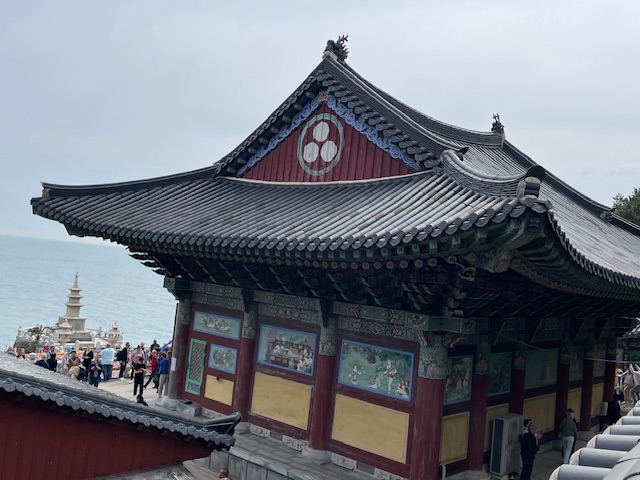
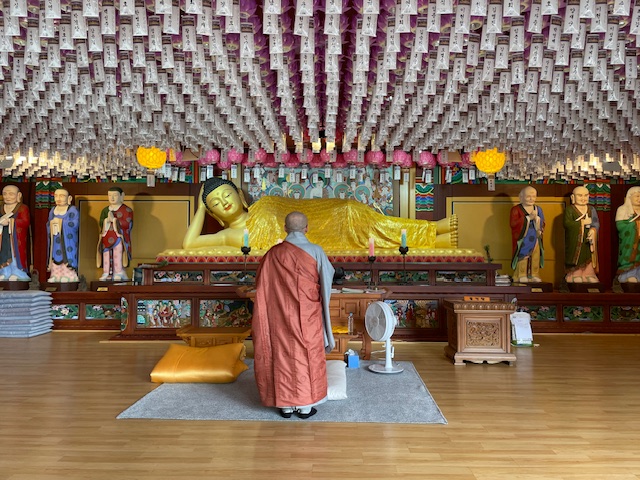
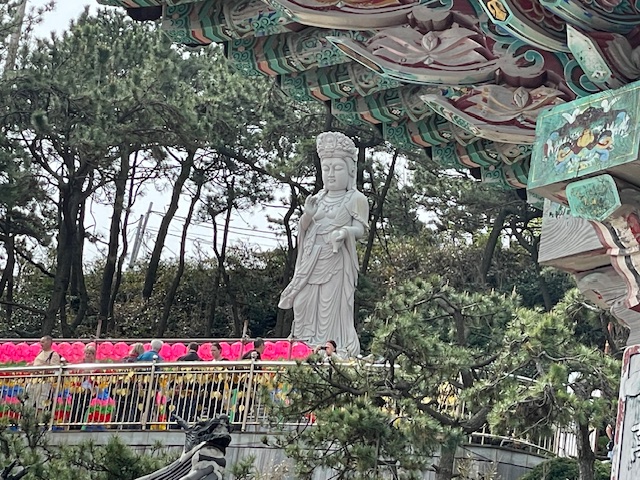
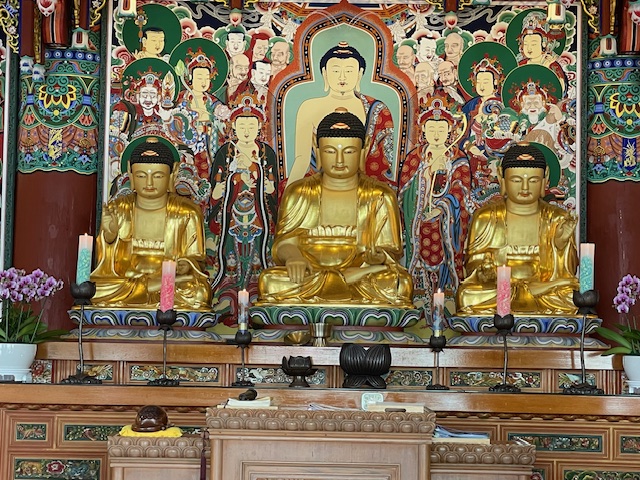
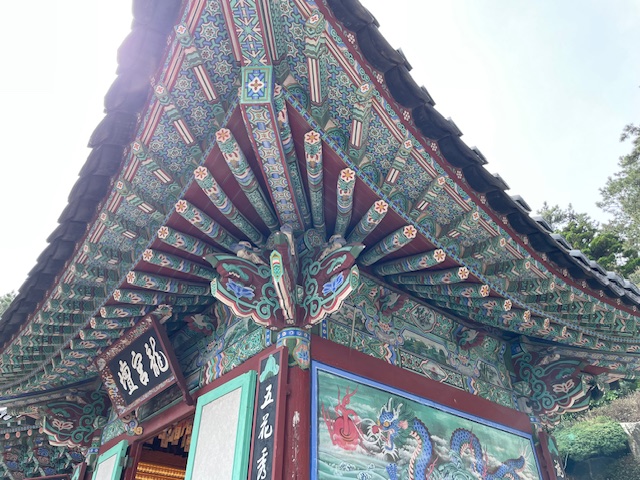
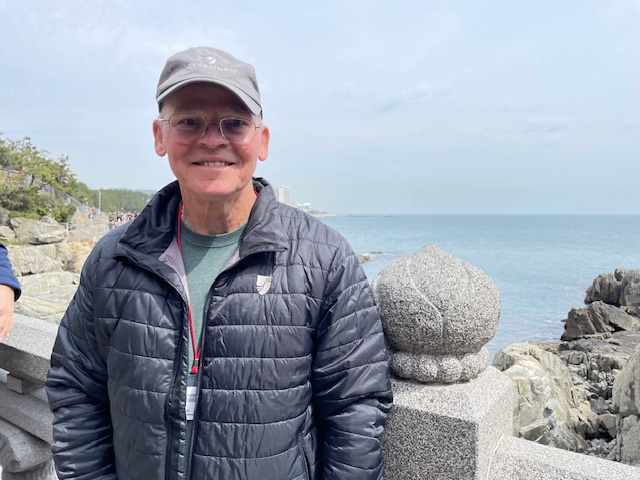
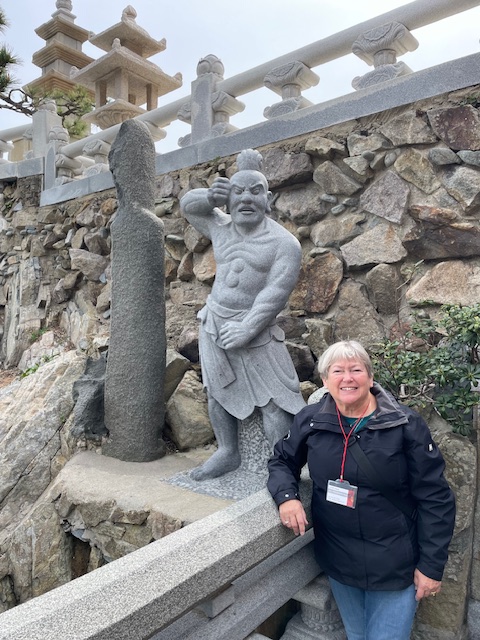
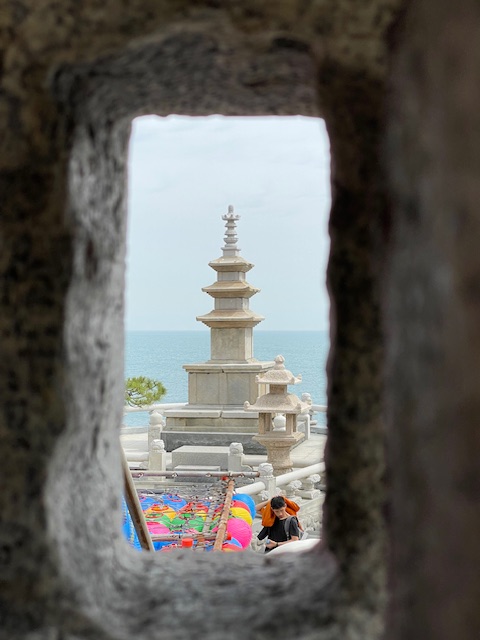
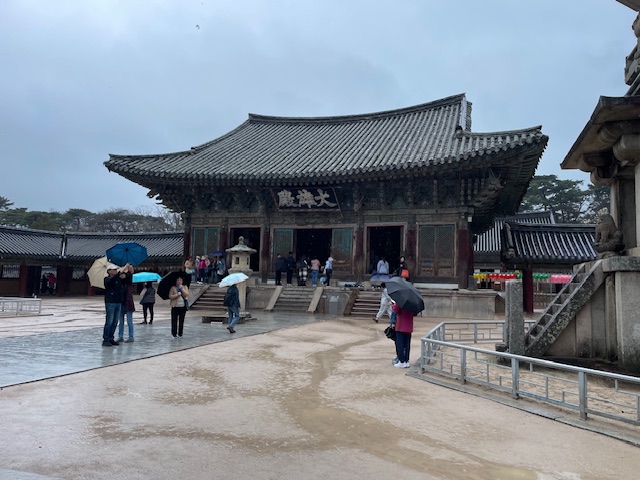
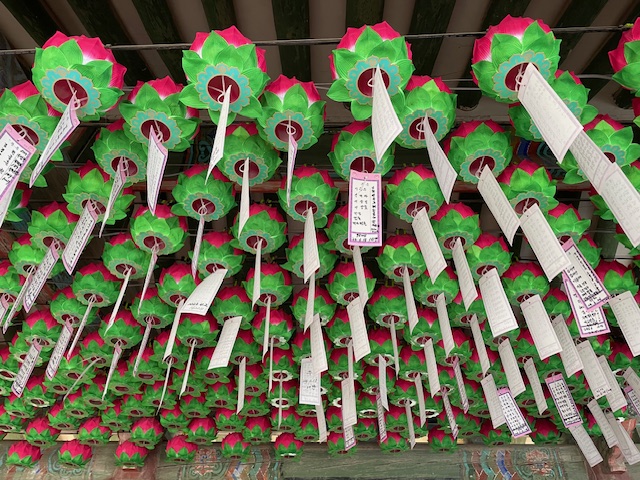
    On our first day, we took an excursion in the morning which intially took us to the Haedong Yonggungsa Temple, a Buddhist temple located by the sea. It was first built in 1376 during the Goryeo Dynasty.

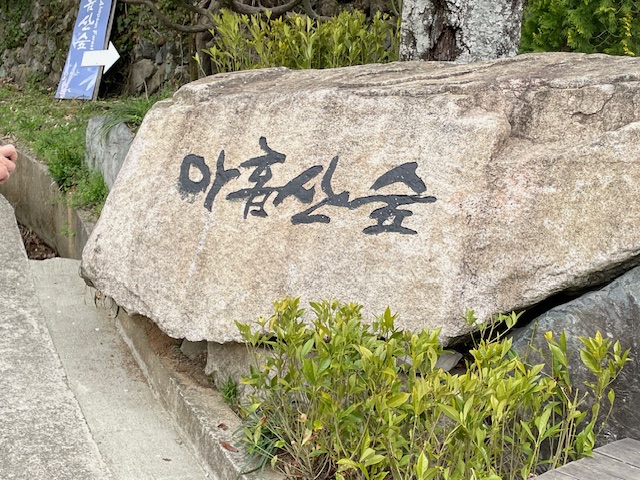
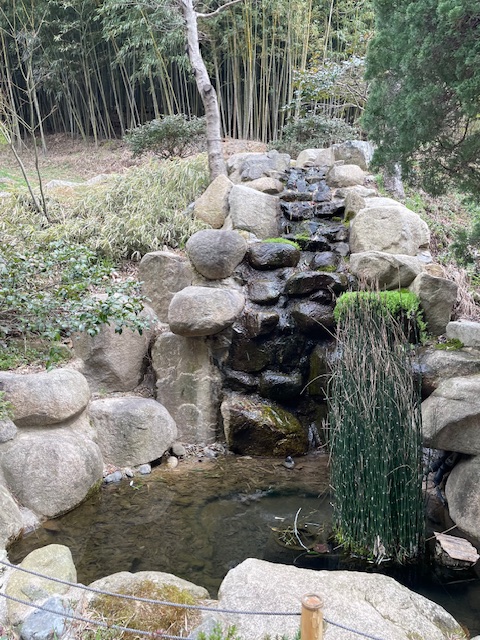
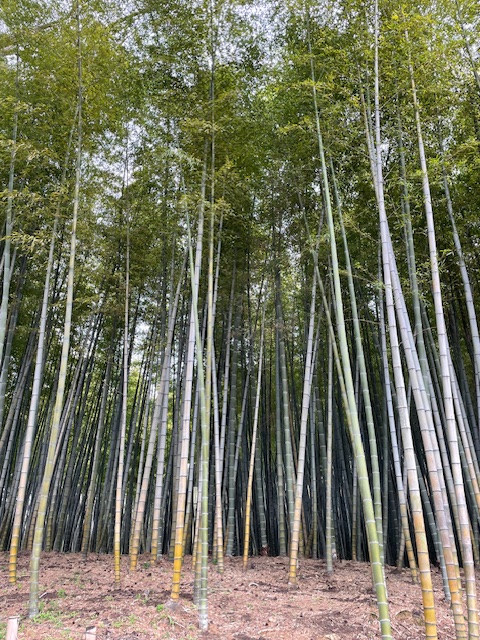
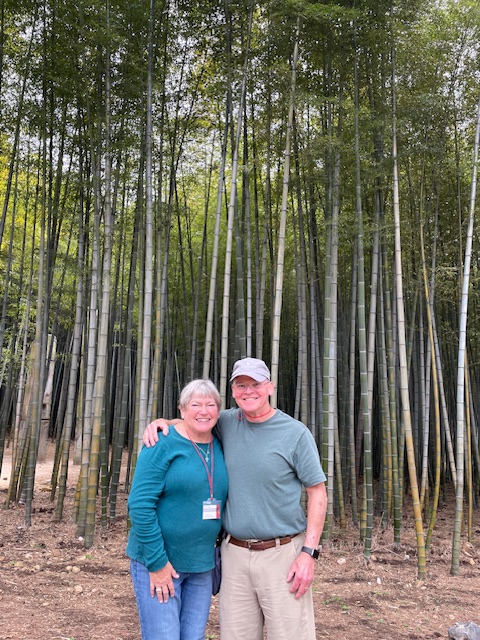
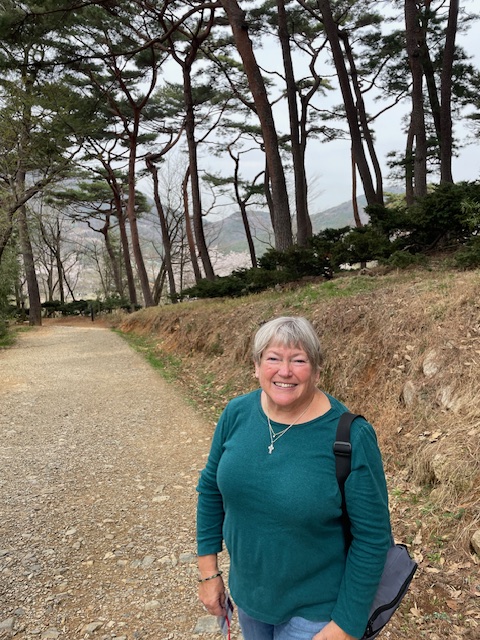
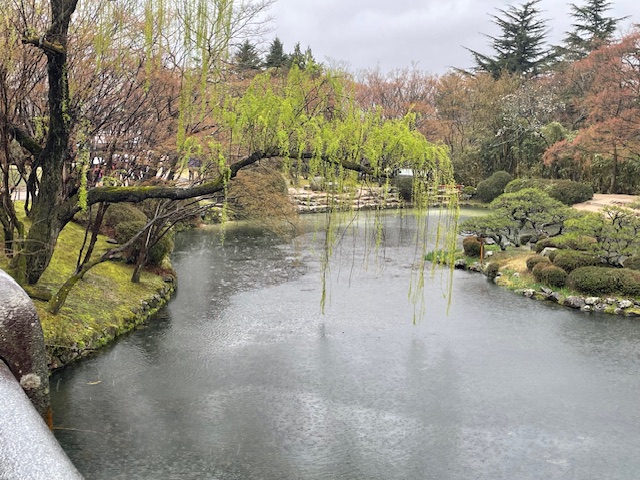
    After the seeing the Temple, we climbed a steep path that took us up to Ahopson Forest, a red oak and bamboo forest that has been owned and gardened by the same family for over 400 years. All of the trees in the forest are protected by the family, but they recently opened the forest to the public. It was a hard hike up, but a serene place at the top.

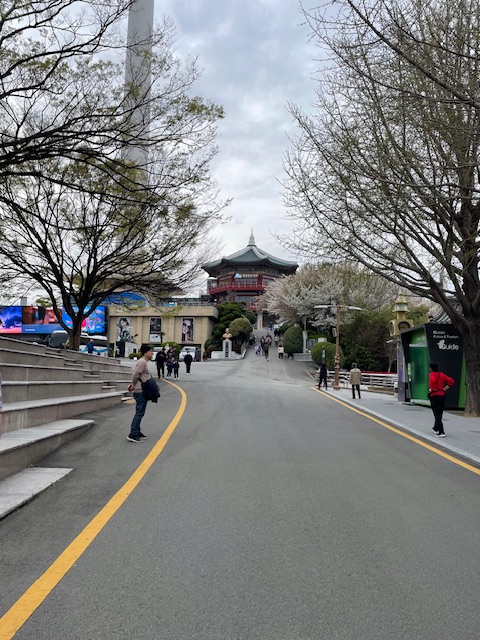
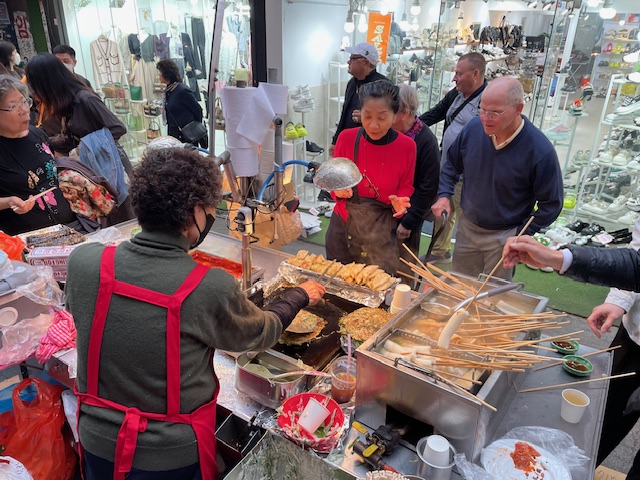
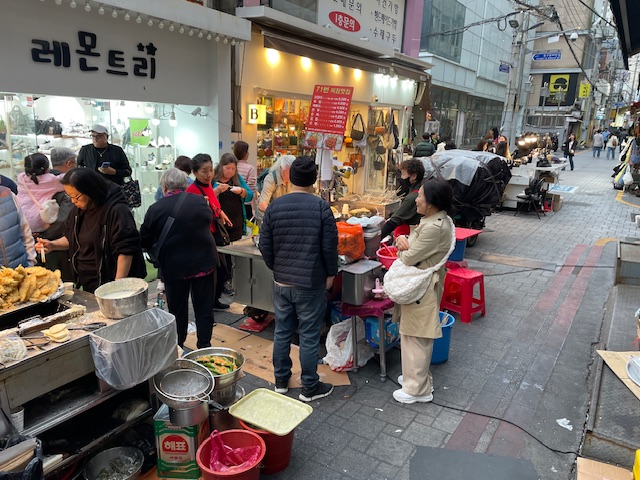
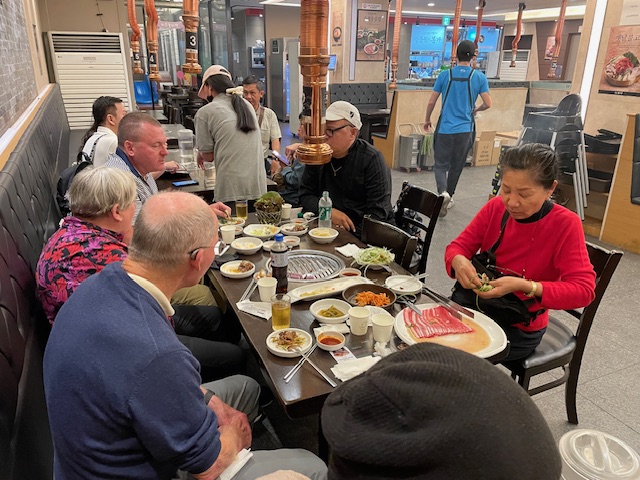
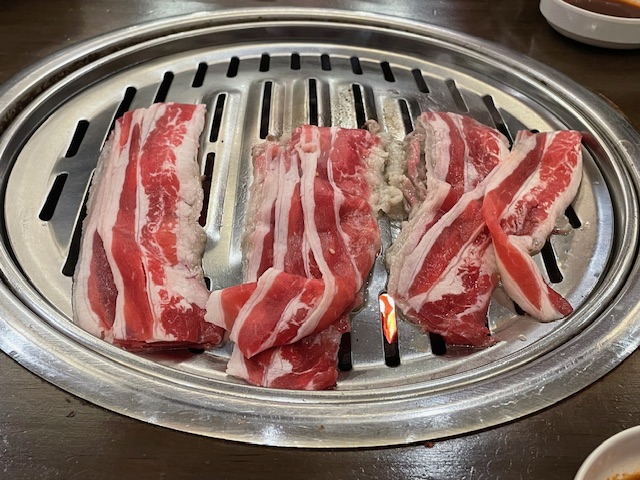
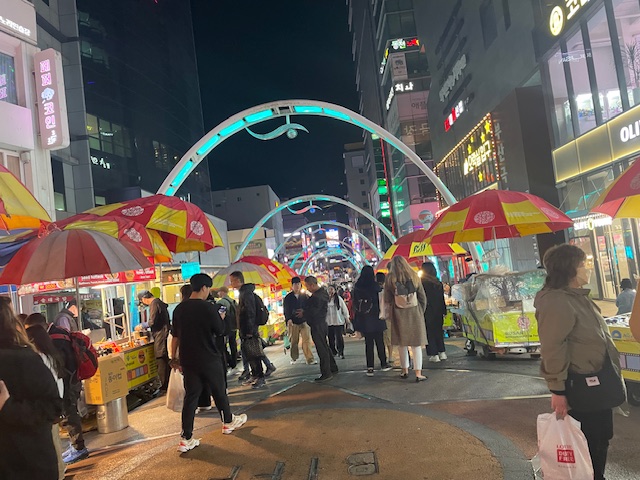
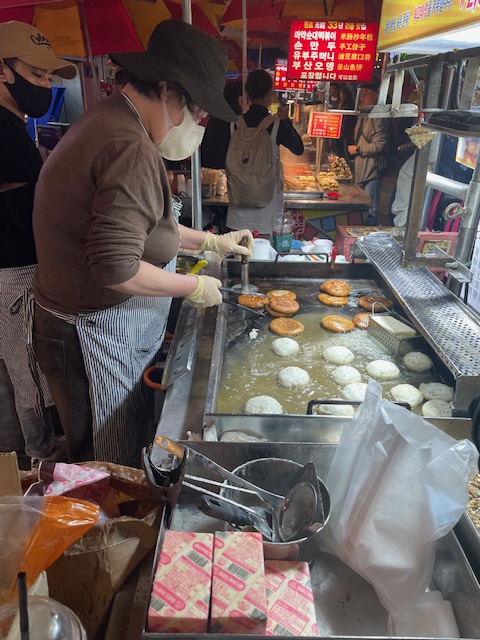
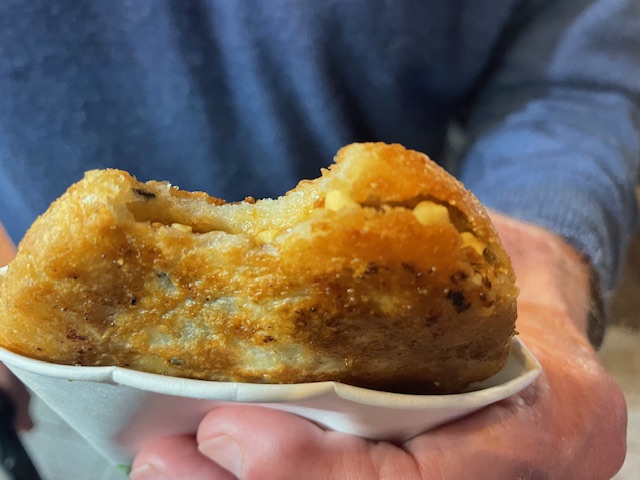
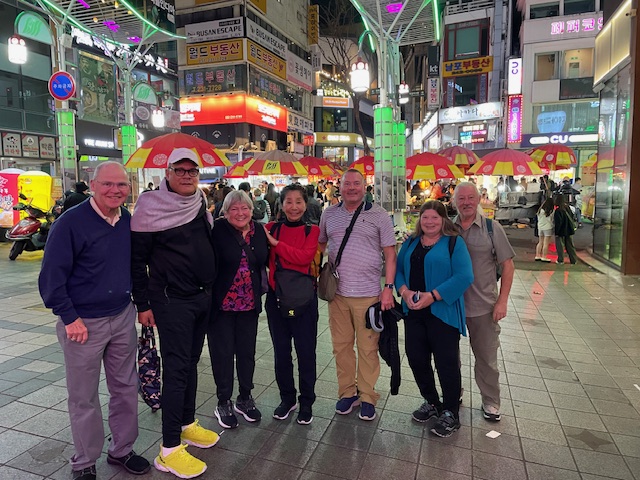
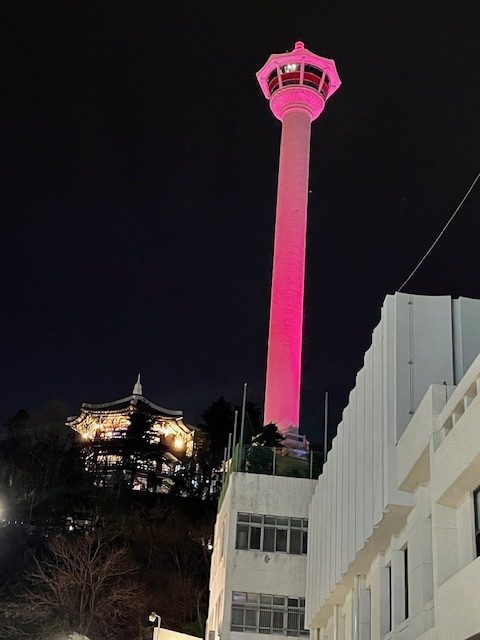
    Later that day, we met up with some friends, including Tim and Young Mi, the art and beading instructors, to go back into Busan for the evening. Young Mi was born and raised in Busan, so she arranged for one of her childhood friends and her husband, to take us around Busan. It was a great night that started with a visit to the Busan Tower, from which we were able to get a view of the entire Busan area. We then walked through Busan and enjoyed food snacks from local street vendors, before feasting on a typical Korean barbecue dinner. Afterward we walked back through the Busan streets and eventually returned to our ship. It was a great evening.

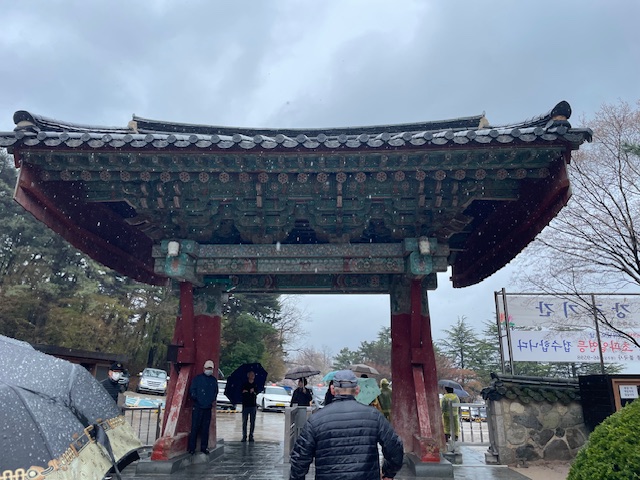
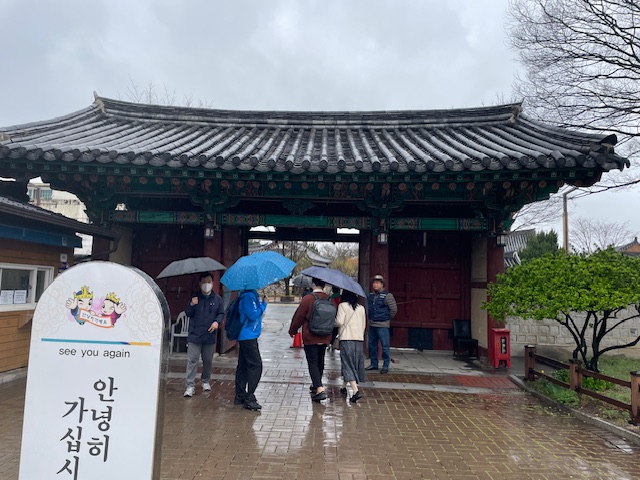
    On Apr 3, 2024, we went on an all-day excursion, during which we saw many interesting places and things. Unfortunately it rained the entire day, but we didn’t let that stop us.

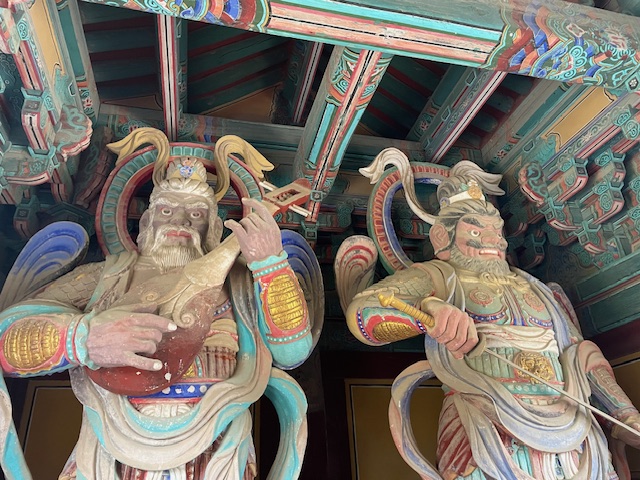
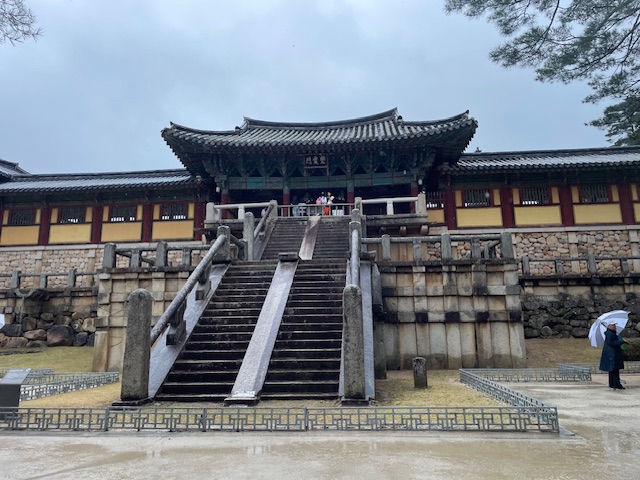
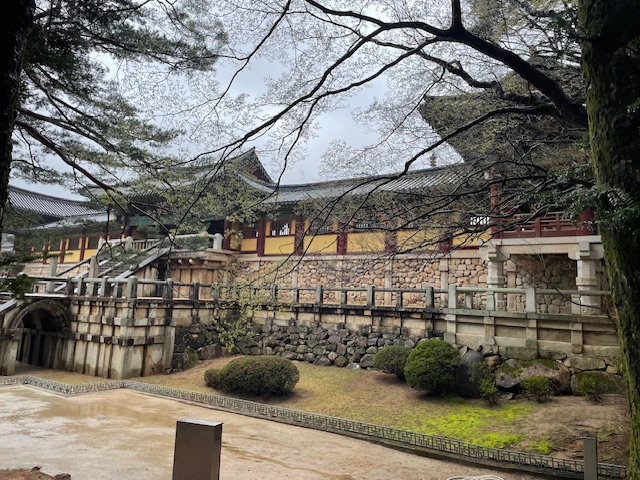
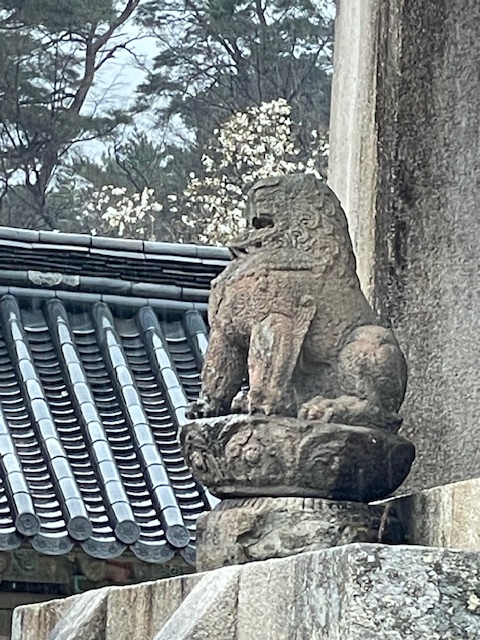
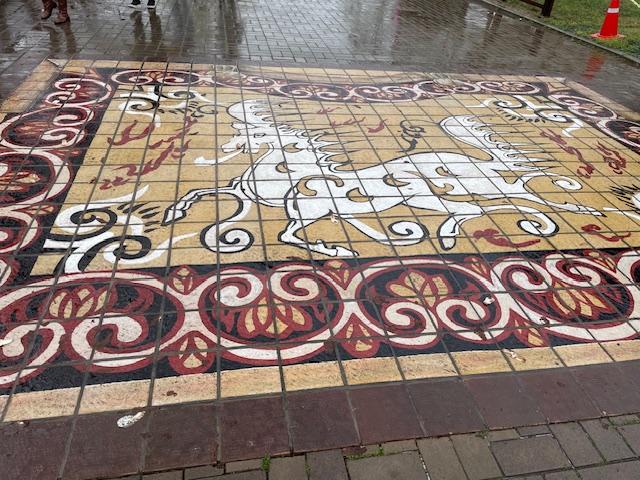
    Our first stop was at Gyeongju National Park located in the province of Gyeongsangbuk-do, South Korea’s only historical national park. The park is known as the Museum without Walls as it was once the capital of the Shilla Kingdom. It became a major cultural center after the Shilla Dynasty unified the Korean Peninsula in 676. The National Park has been designated a UNESCO World Heritage Site. The temple in the area was built in the 6th and 7th centuries, and because of its heavy stone walls and arches has withstood many earthquakes.

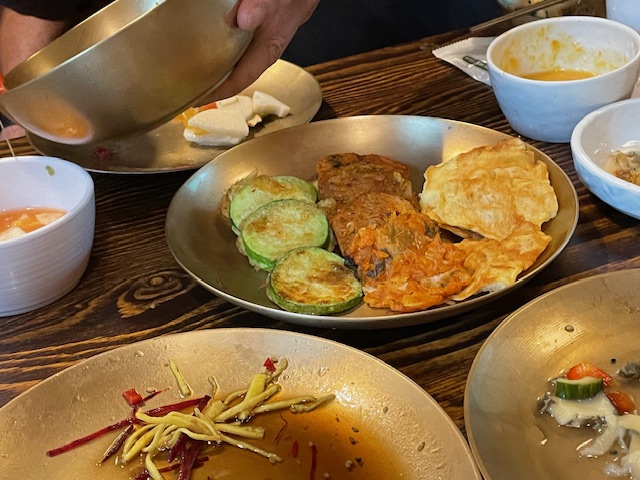
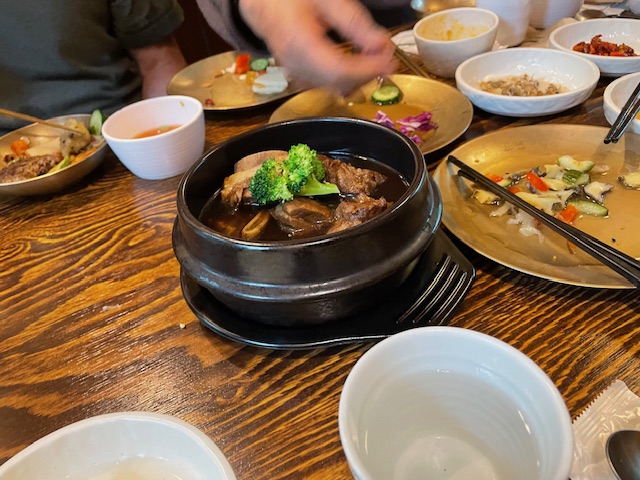
    Our next stop was for the Hanjeongsik, a full course meal consisting of Korean delicacies alongside savory side dishes. It was a delicious meal, although the best part of the lunch was the heated floor on which we were able to dry our socks from walking through the rain all morning.

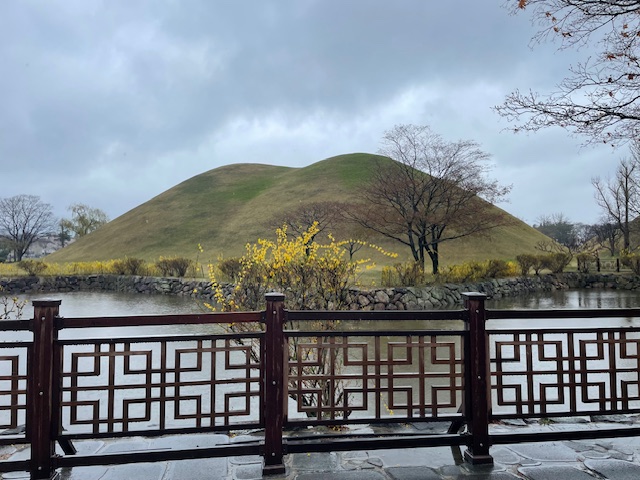
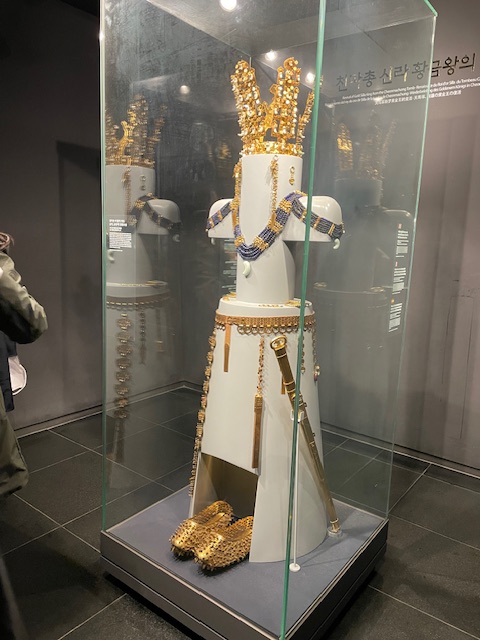
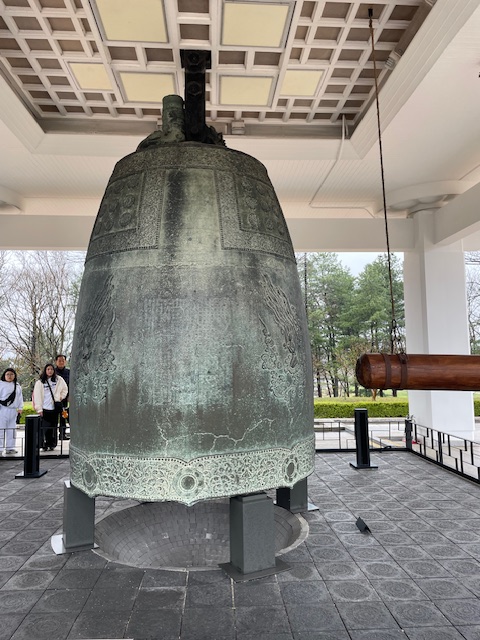
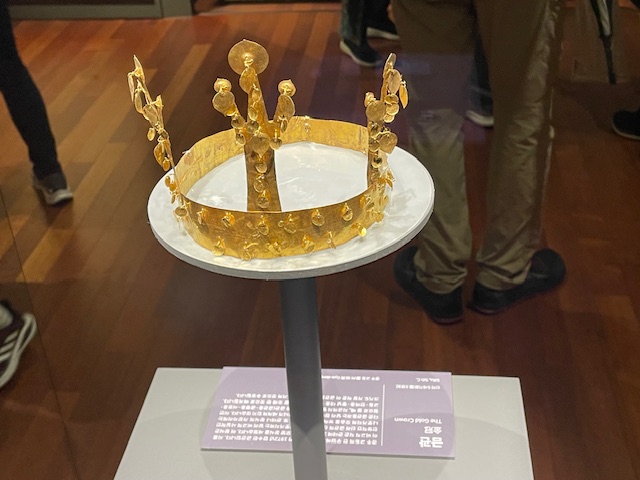
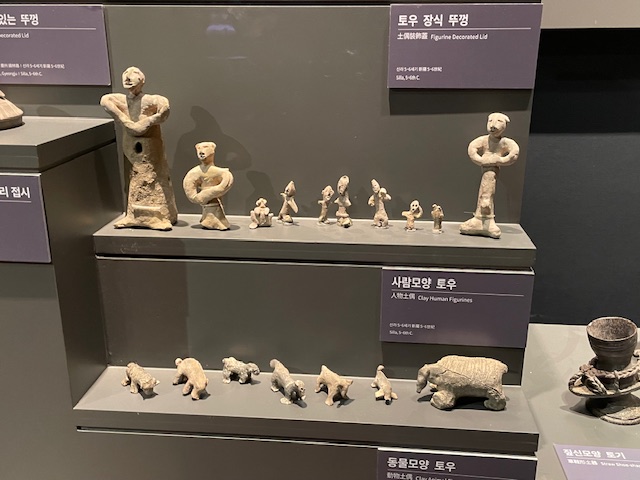
    We then visited the Daereungwon Tomb Complex in Royal Tumuli Park. A tumuli is a mound of earth and stones raised over a grave or graves. The park contains more than twenty Shilla Dynasty royal tombs in which leaders were buried along with precious gold artifacts that were excavated in 1973 to the present, and date back to the 5th century. Many of the artifacts have been moved to the National Museum within the park area. We also saw the Divine Bell of King Songdok — a bronze bell that stands 11 feet tall and weighs 23 tons.

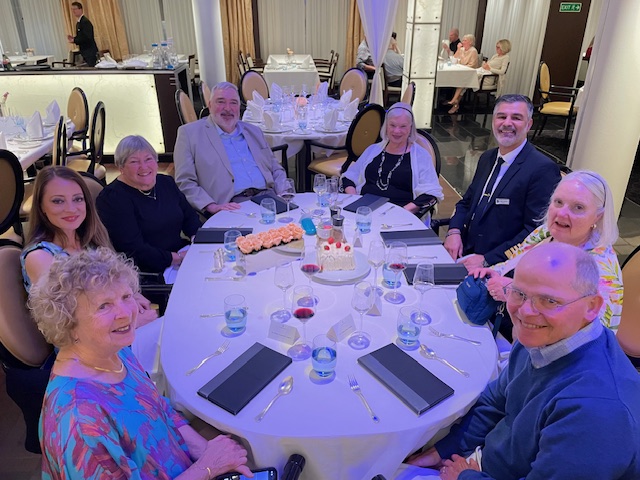
    After returning to the ship, we got ready for a special dinner with friends, and the Captain, Kyriakos Karras.

  • Apr 1, 2024 – Sakaiminato, Japan

    April 3rd, 2024

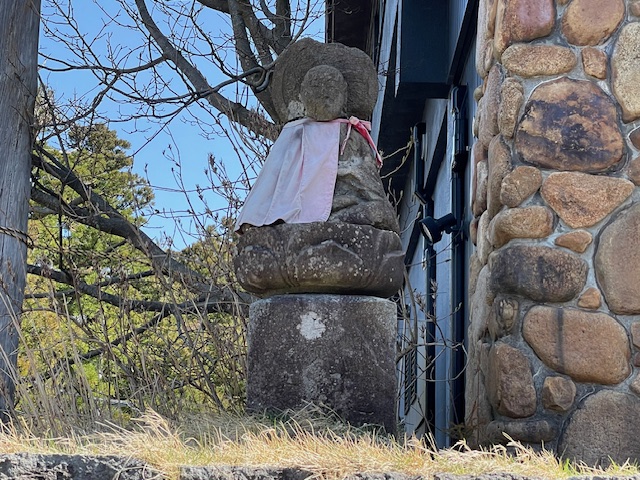
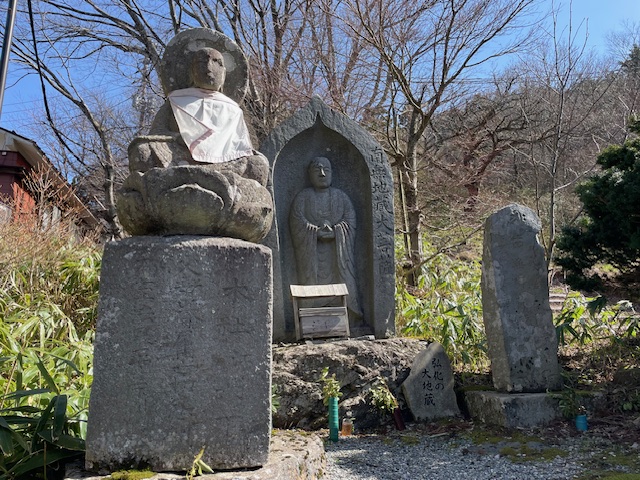
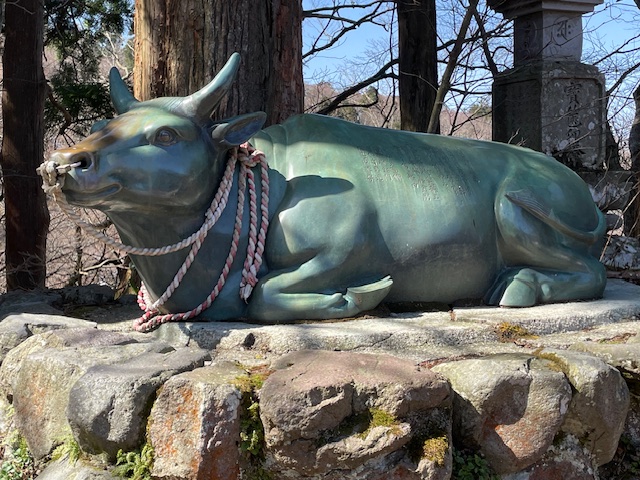
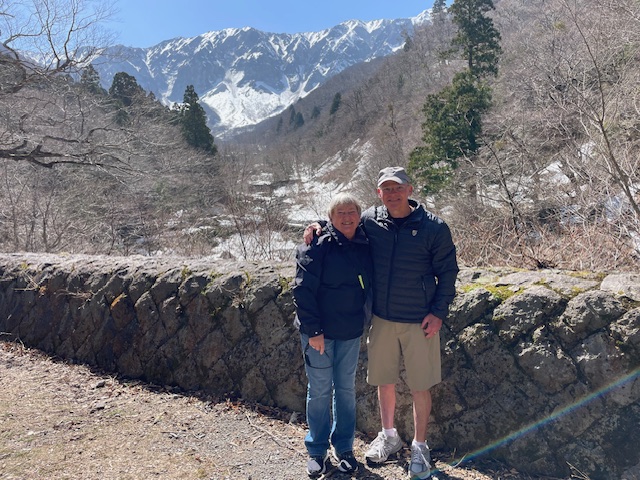
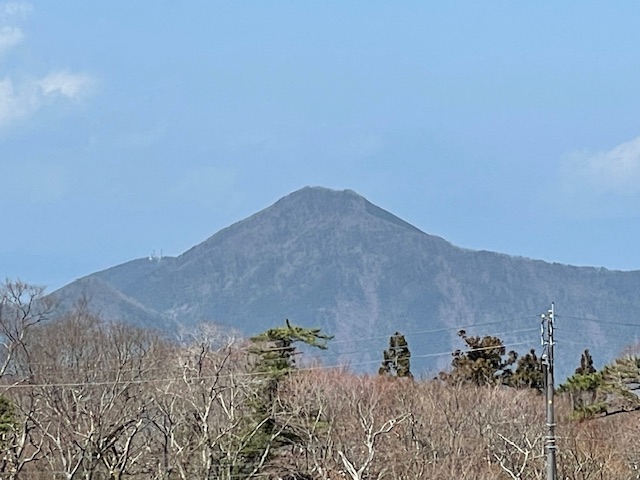
    On Apr 1, 2024 we docked at Sakaiminato, Japan, a port city located in Tottori Prefecture, which is in southern Honshu, Japan’s main island. We took a bus to the town of Daisen which was once home to 100 temples, thousands of soldier-monks, and a centuries-old tradition of religious asceticism. From the town we were able to view Mt. Daisen, a beautiful snow-capped mountain that, at 1,730 meters, is approximately half the size of Mt. Fuji. It is the highest, and holiest, mountain in the Chugoku region.

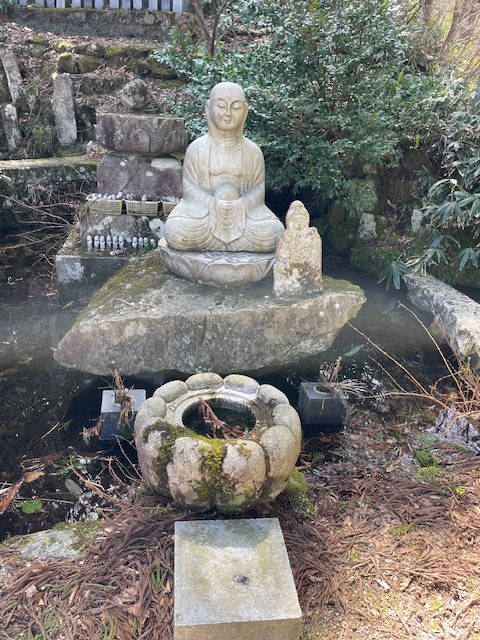
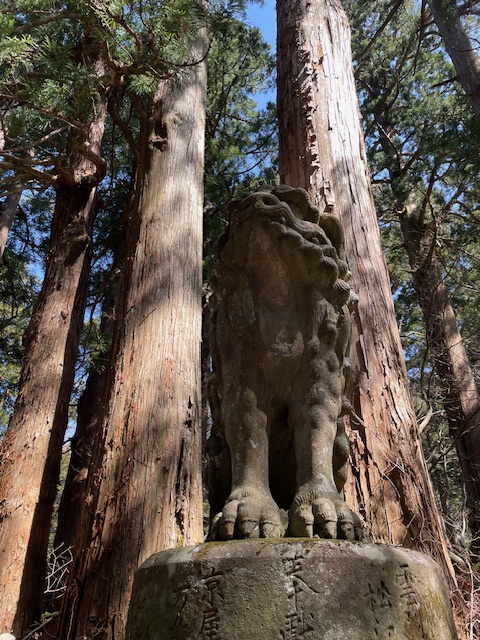
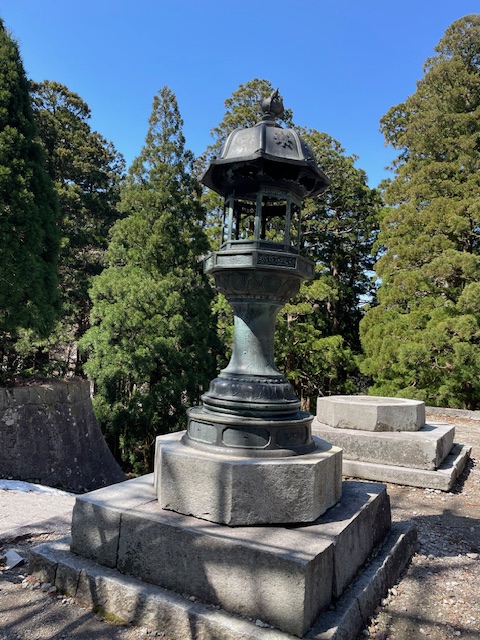
    From there we entered Daisen-Oki National Park where be began a 3.5 km uphill hike through the deciduous broad-leafed forest that is symbolic of Mt. Daisen. We arrived at the main hall of Daisenji Temple, a Buddhist temple founded about 1,300 years ago.

    Next we hiked another 700 yards up to the Ogamiyama Shinto Shrine. The main shrine ranks among the most impressive examples of Gongen-zukuri-style buildings in Japan.

    We then returned to Sakaiminato port and to our ship, and sailed away that night.

←Previous Page
1 2 3 4 … 8
Next Page→

Blog at WordPress.com.


Loading Comments...
 

    • Subscribe Subscribed
      • World Cruise - 2024
      • Already have a WordPress.com account? Log in now.
      • World Cruise - 2024
      • Subscribe Subscribed
      • Sign up
      • Log in
      • Report this content
      • View site in Reader
      • Manage subscriptions
      • Collapse this bar