• About

World Cruise – 2024

  • Mar 31, 2024 – Senzaki (Nagato), Japan

    March 31st, 2024

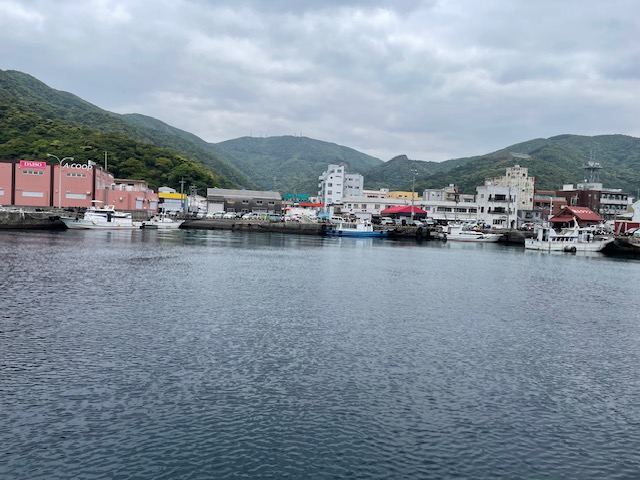
    On Mar 31, 2024 we docked at Nagato, Japan, a coastal city in the south of Japan’s Honshu Island. Nagato has a population of 35,000 people.

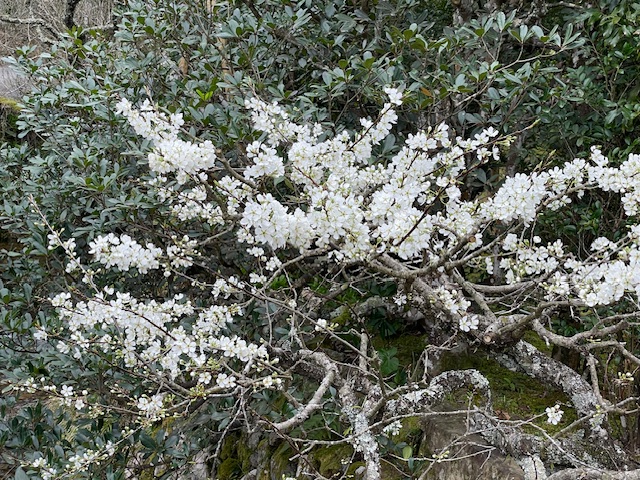
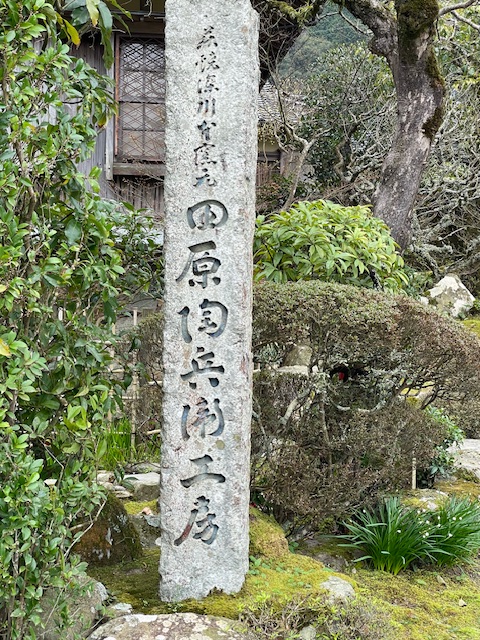
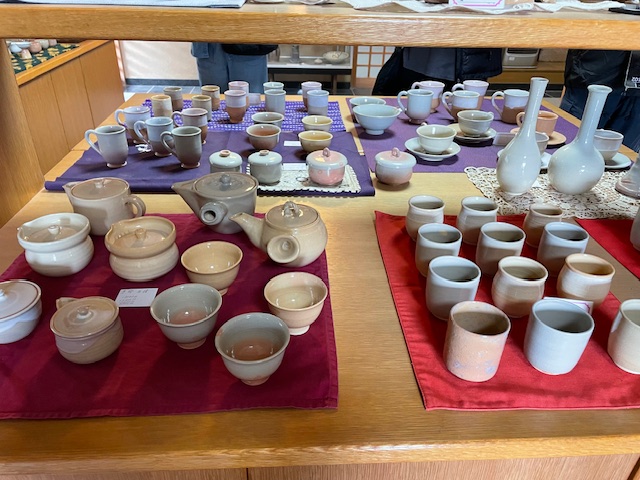
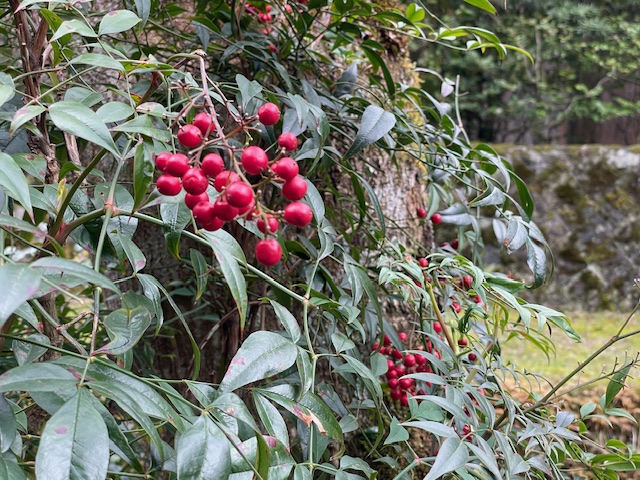
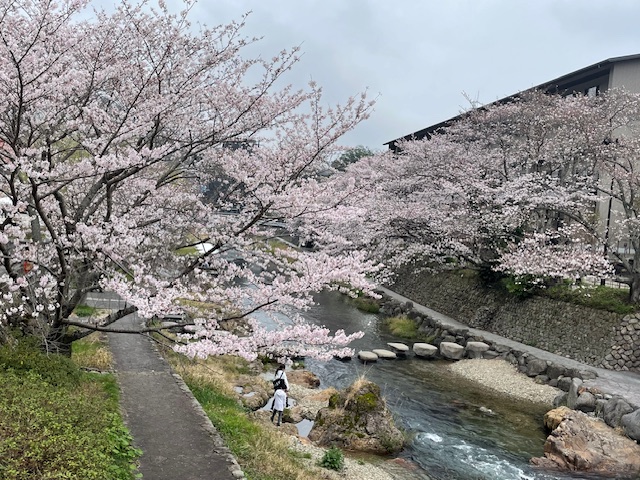
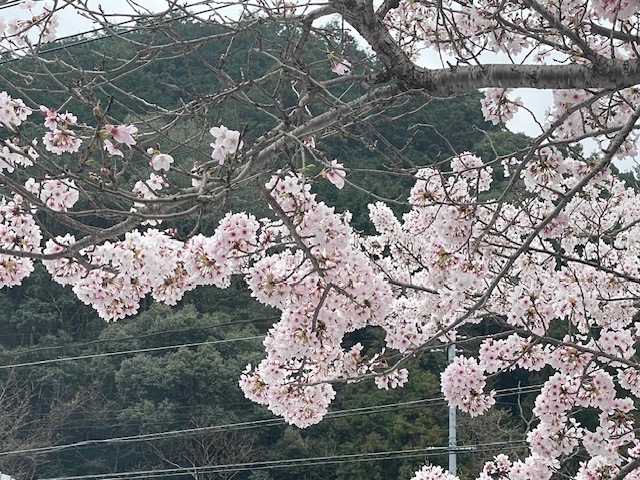
    We took a walking excursion today that started at Hagiyaki Kiln in a small rural area where they have been making pottery for over 350 years in “climbing” kilns that are warmed by burning local pine or oak trees. They are called climbing kilns because they are built in a horizontal line with a slope such that each kiln is a little higher than the one below it. The lowest kiln is fired first and its heat rises upward into the other kilns, thus making it easier to heat the upper kilns. The Hagiyaki is one of Japan’s representative pottery styles. The manufacturing technique was developed in Korea during the early period of the Li Dynasty (1892-1910), and has been handed down to this day. We walked along the road in this little village and enjoyed the local stream and the many cheery blossoms, as well as views of many of the local homes, storage sheds for clay and wood, and the rice fields interspersed throughout the area.
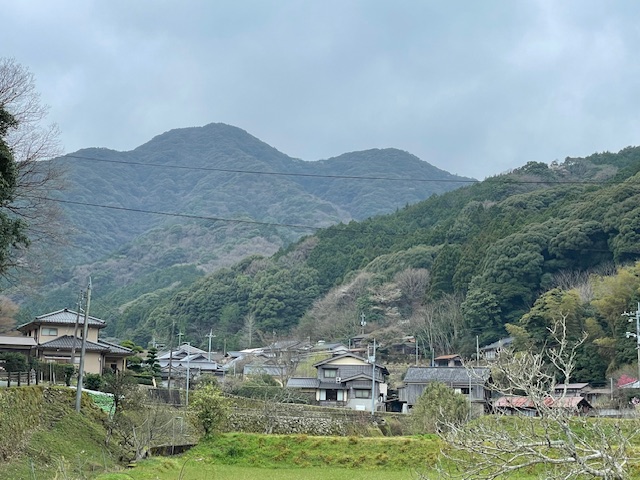
    Our next stop was a local hotel where we enjoyed a light lunch on a terrace where we were surrounded by nature.

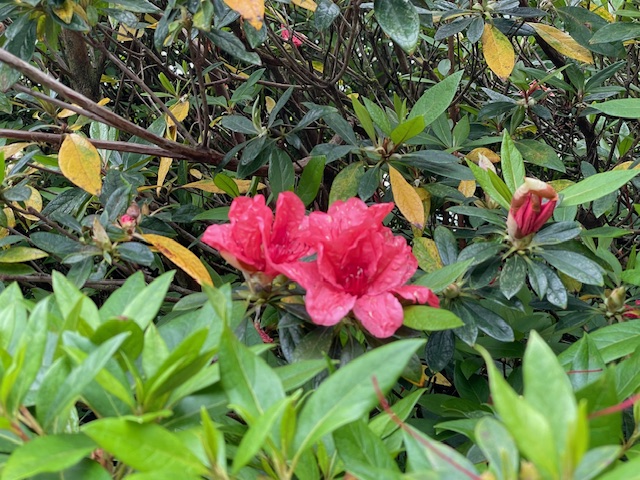
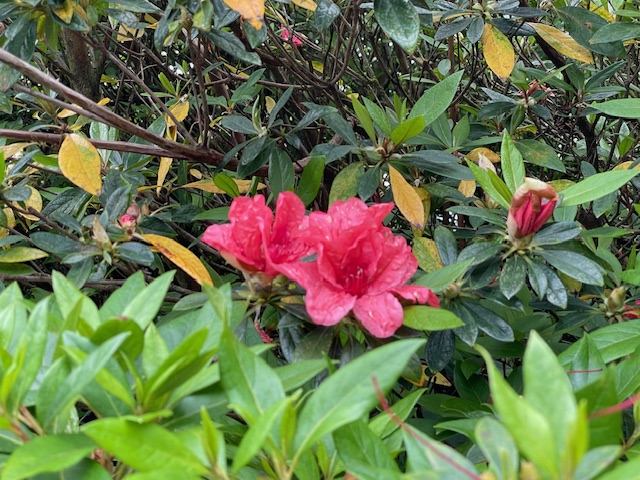
    Then we took a walk through the Nagato Yumoto Onsen town. This Onsen, or hot spring, is the oldest in Yamaguchi Prefecture with over 600 years of history. This town had fallen into disrepair until a group of citizens decided to revitalize it. The revitalization project was completed in 2020 and now provides a place for an easy walk along the Otozure River where we were able to experience the beauty of the town. While we were there, the cherry blossom trees were in full bloom.

  • Mar 30, 2024 – Hiroshima, Japan

    March 30th, 2024

    On Mar 30, 2024 we docked at Hiroshima, Japan. Hiroshima is a city located in southwestern Honshu, Japan. It is the capital of Hiroshima Prefecture and is situated on the delta of the Ota River, whose six channels divide it into several islets. It has a population of 1.2 million people.

    Hiroshima is known for being the first city in the world to be struck by an atomic bomb on Aug 6, 1945. The city has since become a symbol of peace and hope, with the Hiroshima Peace Memorial Park and the Atomic Bomb Dome serving as reminders of the tragedy.

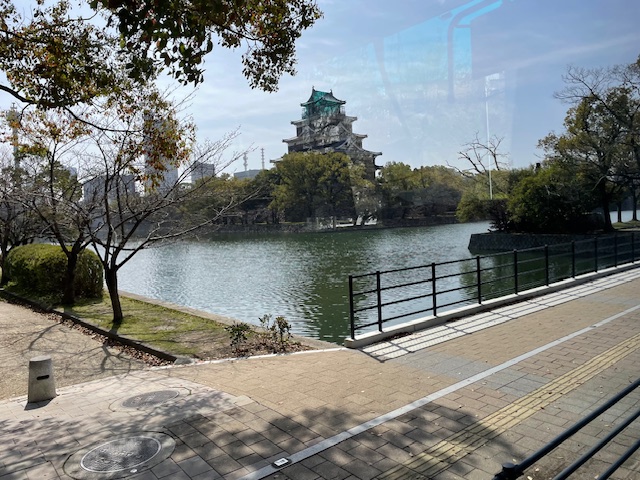
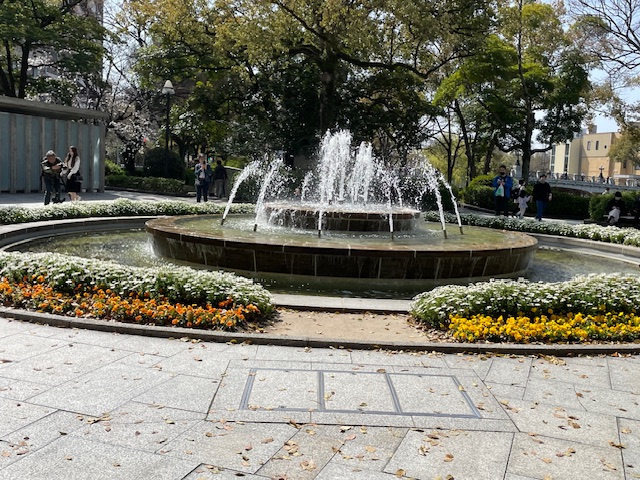
    We started our excursion for the day with a visit to the Shukkeien Garden. On the way we drove past the Hiroshima Castle, one of more than 30,000 castles that had once existed in the feudal lord time of Japan in the 16th century. The Castle was the home of the Daimyo (feudal lord) of Hiroshima when it was built in 1620, but was destroyed in 1945 by the atomic bomb blast. It has been rebuilt as a landmark of the city and today is a museum.

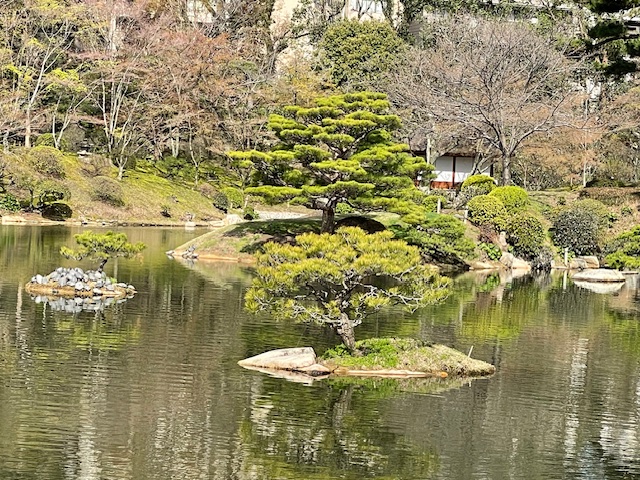
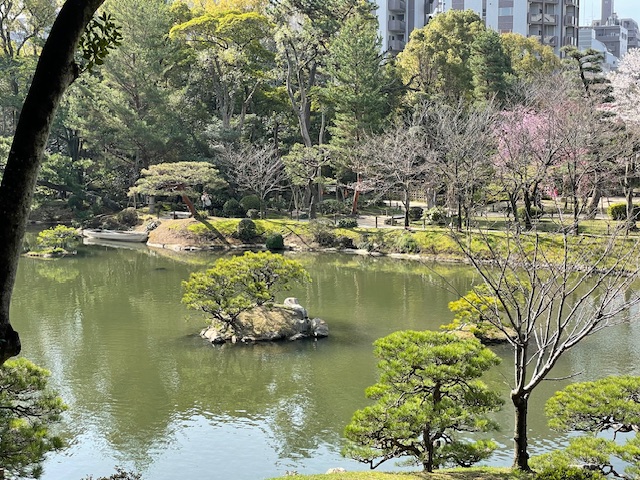
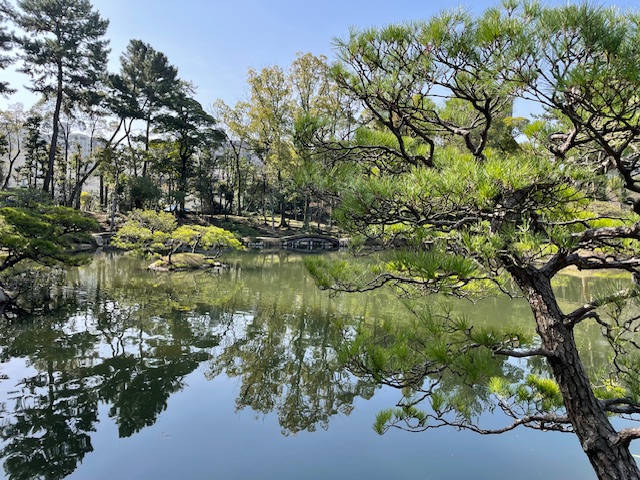
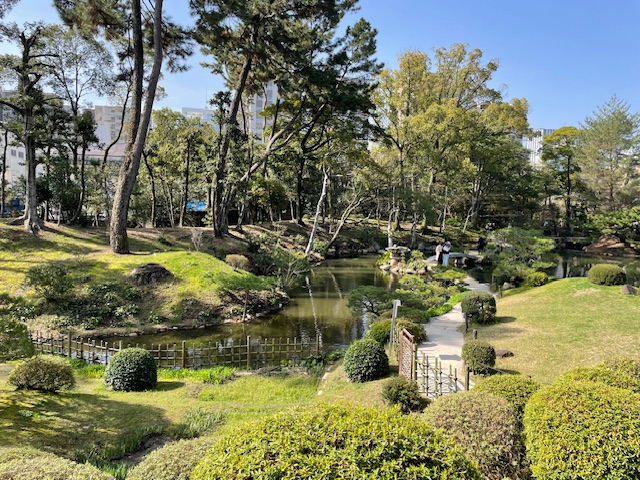
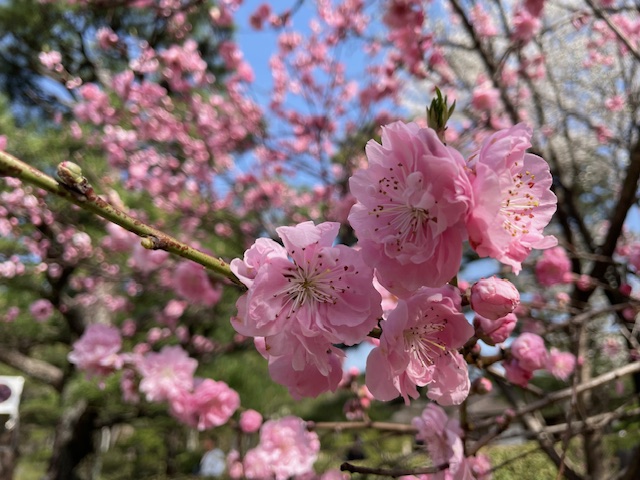
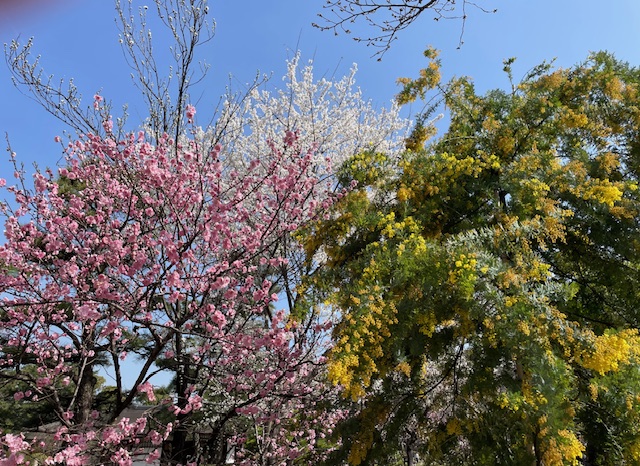
    The Shukkeien Garden was built as the Daimyo’s garden. It’s name (literally “shrink-scenery garden”) expresses the idea of collecting and miniaturizing many scenic views. In the center is Takuei Pond, containing more than 10 inlets. The bridge which spans the center of the pond is original from 1620 and is the only part of the park that survived the 1945 atomic bomb. The trees and plants were all completely restored after the war. We especially enjoyed a number of cherry trees that were in bloom.
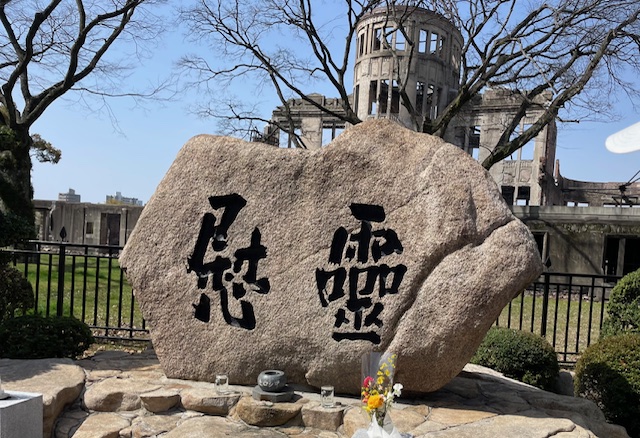
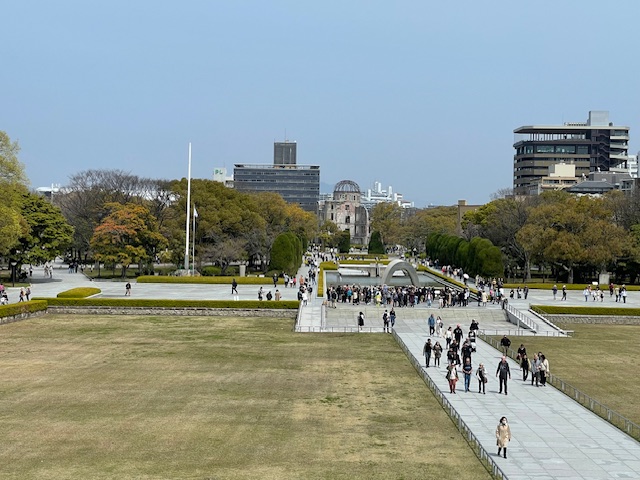
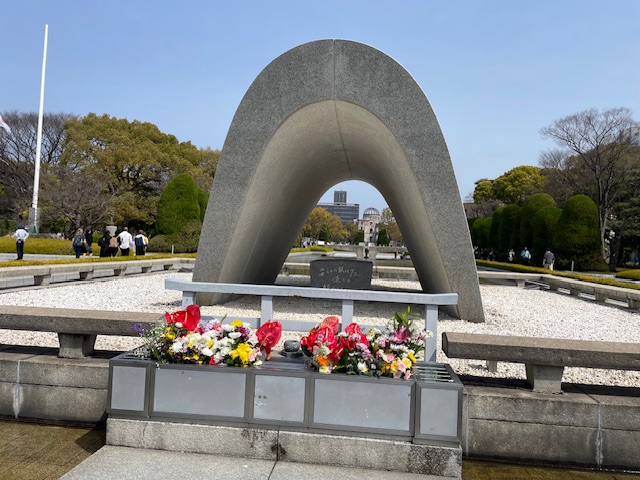
    After we left the Garden, we went to the Hiroshima Peace Memorial (Genbaku Dome) which was the only structure left standing in the area where the first atomic bomb exploded. It is a stark and powerful symbol of the most destructive force ever created by mankind. The Hiroshima Peace Memorial is a UNESCO World Heritage Site. It is one of only three sites that relate to memories of recent conflicts. The other two are Auschwitz, Poland and the Bikini Atoll Nuclear Test Site.

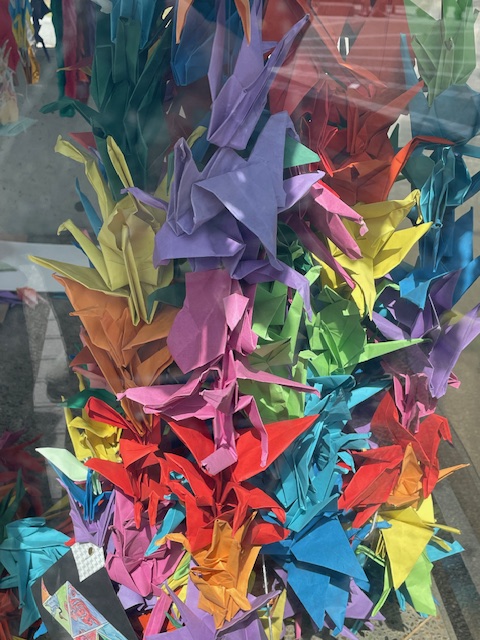
    We then walked through the Peace Memorial Park to see various memorials, including the Children’s Peace Monument inspired by a girl who died of leukemia ten years after the atomic blast. She folded paper cranes, a symbol of long life in the hope that she would get better. She died when she was twelve years old. The park now receives more than 10 million paper cranes annually in the name of world peace. Finally, we toured the Peace Memorial Museum to see exhibits, videos and items that survived the bombing.

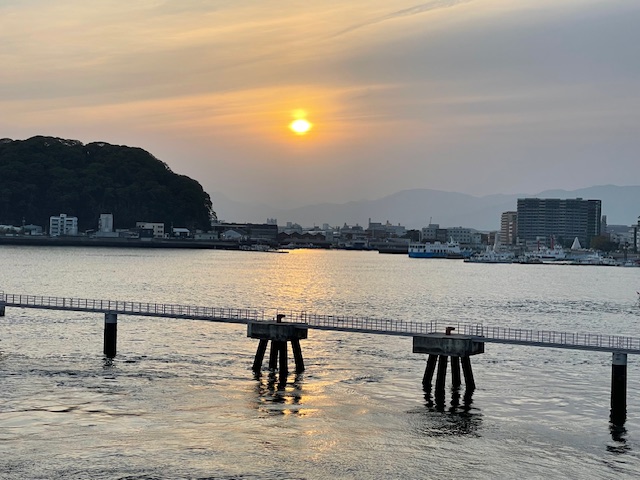
    At the end of the day, we enjoyed another beautiful sunset.

  • Mar 29, 2024 – At Sea (East China Sea)

    March 30th, 2024

    On Mar 29, 2024 we had a sea day, traveling from Kagoshima, Japan to Hiroshima, Japan. The distance is approximately 230 miles, and we sailed through the East China Sea.

    Japan is an island nation in East Asia. It is in the northwest Pacific Ocean and is bordered on the west by the Sea of Japan. extending from the Sea of Okhotsk in the north toward the East China Sea, Philippine Sea, and Taiwan in the south. Japan is part of the Ring of Fire, and spans an archipelago of 14,125 islands (430 are inhabited), with the five main islands being Hokkaido, Honshu (the “mainland”), Shikoku, Kytushu, and Okinawa. Tokyo, on Honshu, is the country’s capital and its latgest city. The population of Japan is approximately 125 million people. The population of Tokyo is approximately 13 million people, and its metropolitan area has more than 37 million people. Japan has been experiencing a shrinkage in its population as its birthrate is very low — 1.26 births per woman in 2022.

  • Mar 28, 2024 – Kagoshima, Japan

    March 28th, 2024

    On Mar 28, 2024 we docked at Kagoshima, Japan, after a 230 mile overnight sailing in the East China Sea from Amami, Japan.

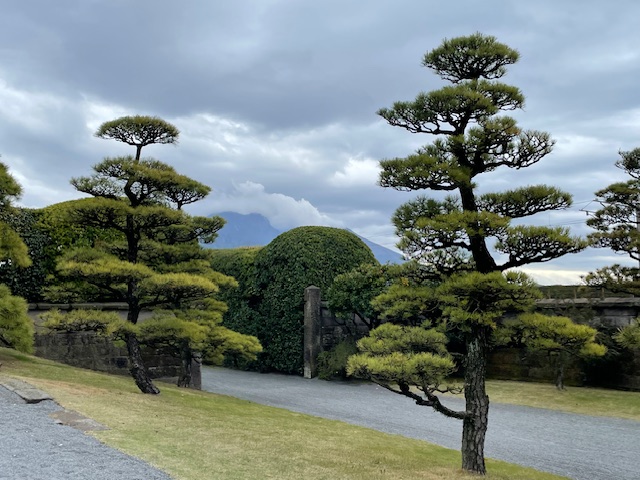
    Kagoshima is a seaside city on Japan’s Kyushu Island and is the capital of Kagoshima Prefecture. It has a population of 600,000 people. It’s best known for Sakurajima, an active volcano that faces Kinko Bay. It constantly emits smoke, sometimes to a height of several thousand feet. Its last major eruption was in 1914, but it has periodically had explosive eruptions that occur at the crater center and scatter cinders up to 2.5 km. from the crater.

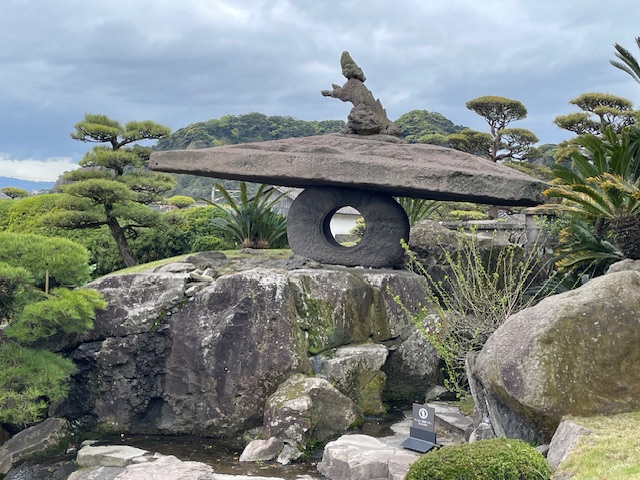
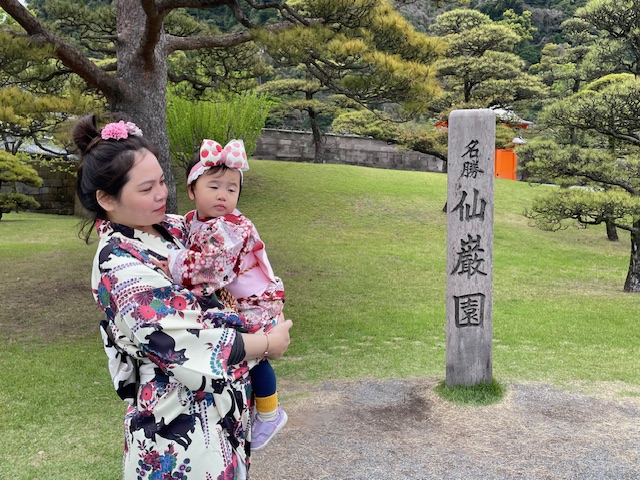
    In the morning we ventured out on an excursion that initially took us to Sengen-En Garden. This garden is a fine specimen of Japanese landscape gardening with Sakurajima and Kinko Bay in the background.

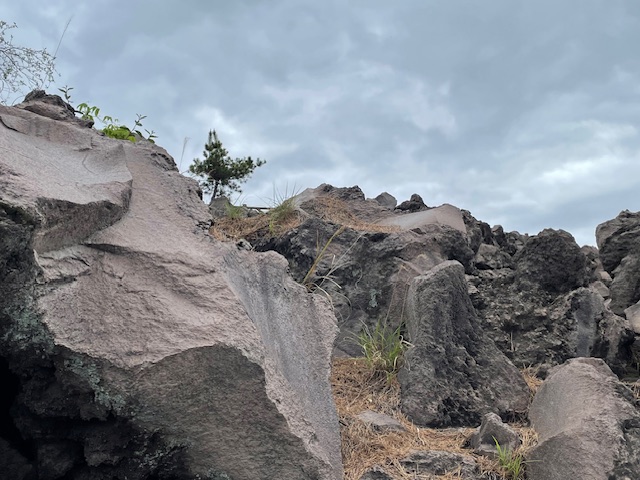
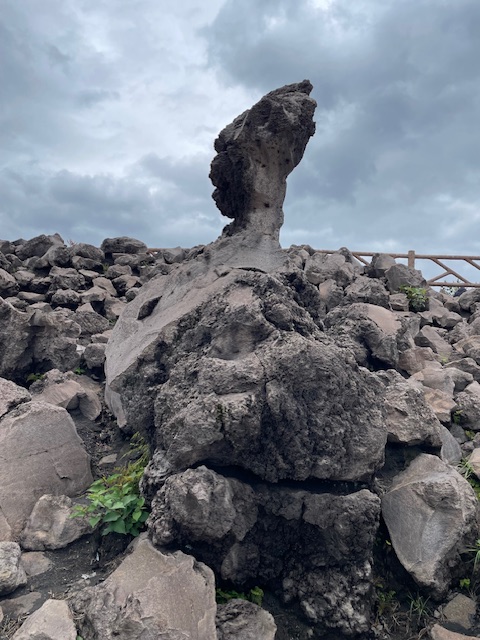
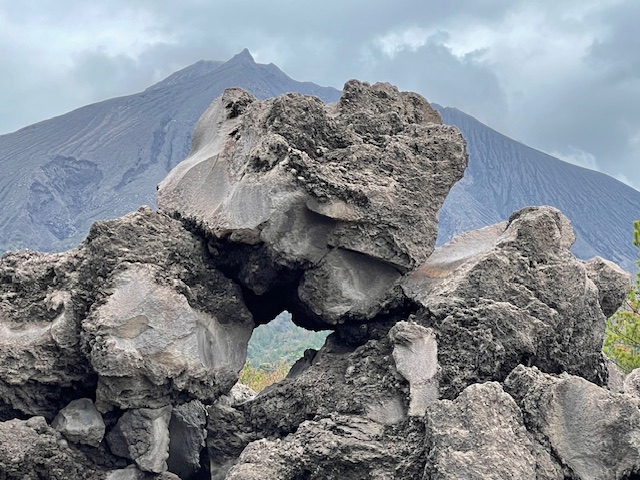
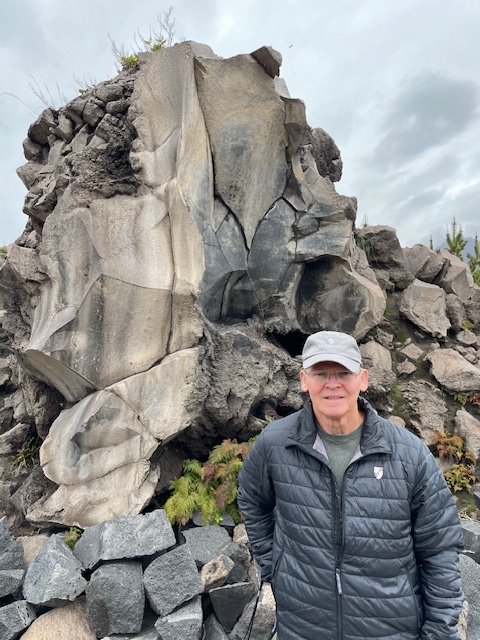
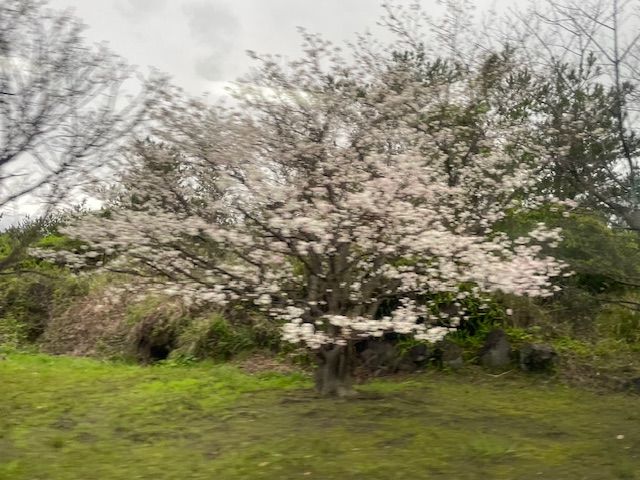
    Then we took a ferry across Kinko Bay to Sakurajima Island and drove to a volcano observation point. On the drive to the observation point we saw many volcanic rock formations on the side of the road, as well as cherry trees that were just starting their Spring bloom. It was a cloudy and lightly rainy day, but that just added to the mystique of the volcano.
  • Mar 27, 2024 – Amami (Naze), Japan

    March 27th, 2024

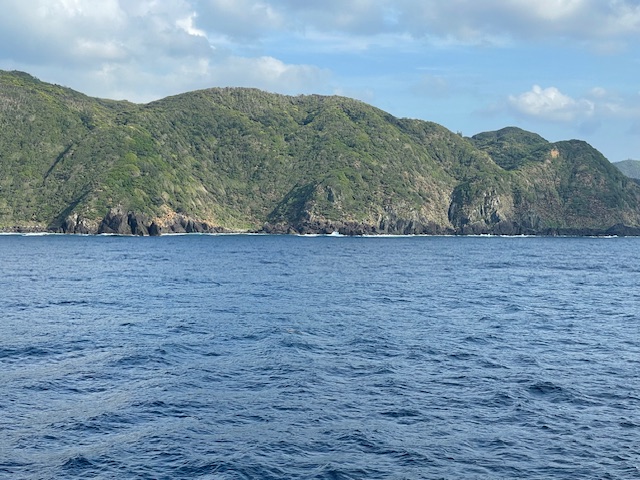
    On Mar 27, 2024 we docked at Amami (Naze), Japan, a port located in the Northwestern part of Amami Oshima Island, which is part of the Amami Islands in Japan. This island has a population of approximately 73,000 people, and is home to a diverse range of religions, including Shintoism, Buddhism, Christianity, and Islam.

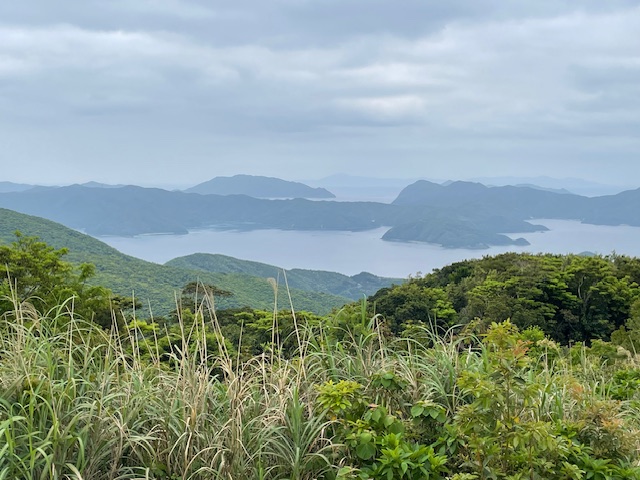
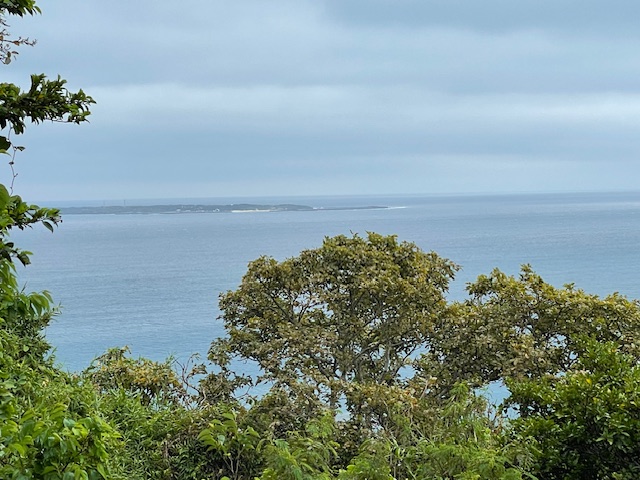
    We took an excursion that started with a drive up the heavily forested mountain, that eventually led to the peak, where we had an incredibly beautiful view of the Amami Straits with the various Amami Islands and the ocean below.

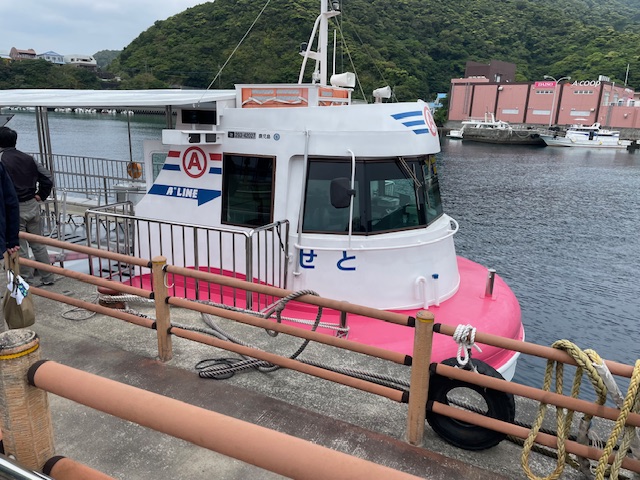
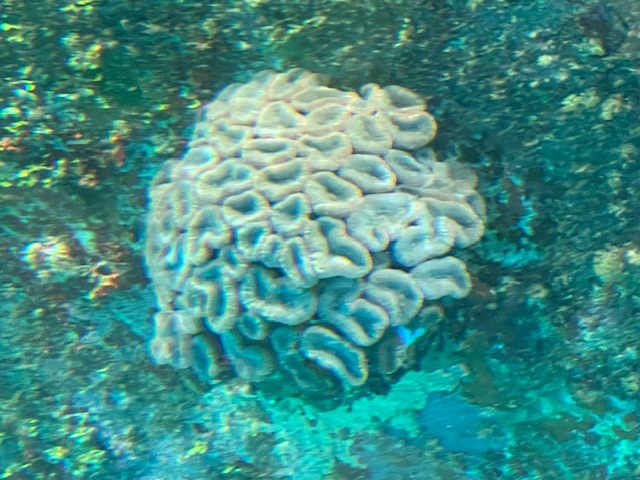
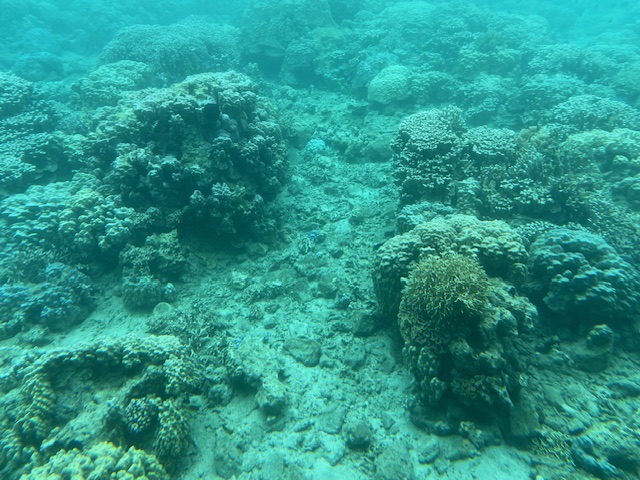
    Then we headed to a port where we boarded a glass-bottomed boat and went out to the coral reefs in the Strait. We were able to view many different types of coral, fish, turtles, and other sea life.

    We then drove back to our ship for the afternoon, and eventually our sail-away during which we were entertained by local entertainers.

  • Mar 26, 2024 – Naha, Okinawa, Japan

    March 27th, 2024

    On Mar 26, 2024 we docked at Naha, the capital city of Okinawa Perfecture, the southernmost perfecture of Japan. Naha is a city with a long history. It was the onetime capital of the Ryukyu Kingdom and has been a seaport since the 1400s. The Ryukyu Dynasty was abolished in 1879 and the former Ryukyu Kingdom came to an end, as it was fully annexed by Japan as Okinawa Perfecture. An imperial decree in Jul 1899 established Naha as an open port for trading with the United States and the United Kingdom. During the Battle of Okinawa in World War II, Naha suffered extensive damage from the fighting. The entire center of the city had to be rebuilt. Today, Naha has a population of over 300,000 people.

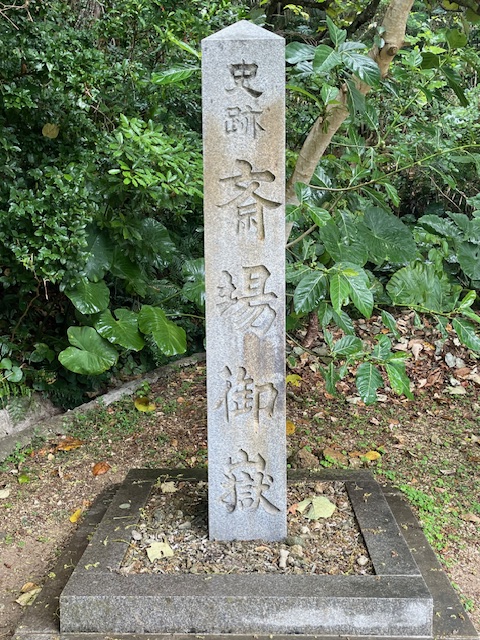
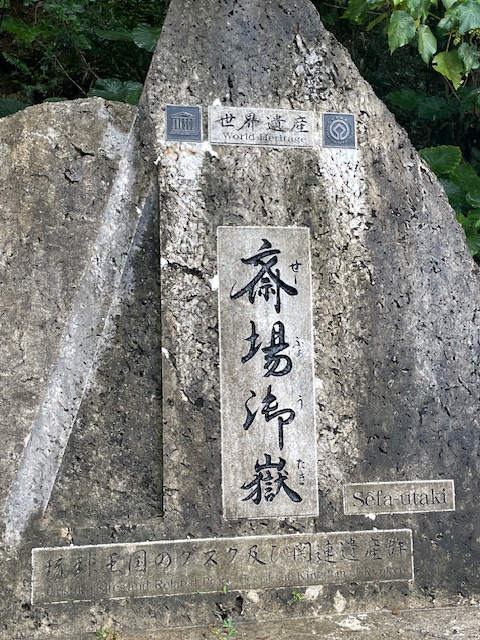
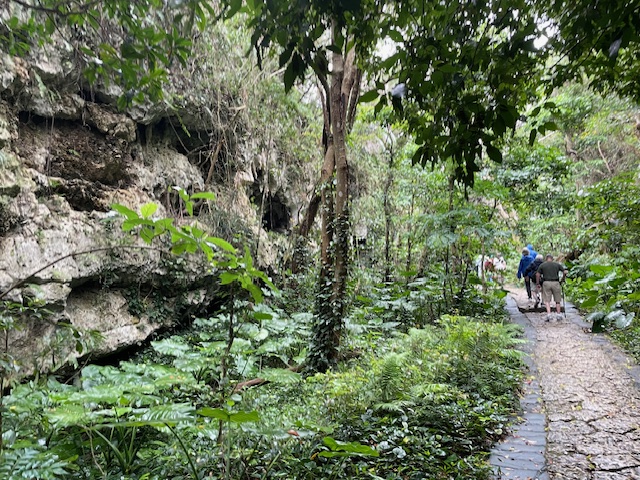
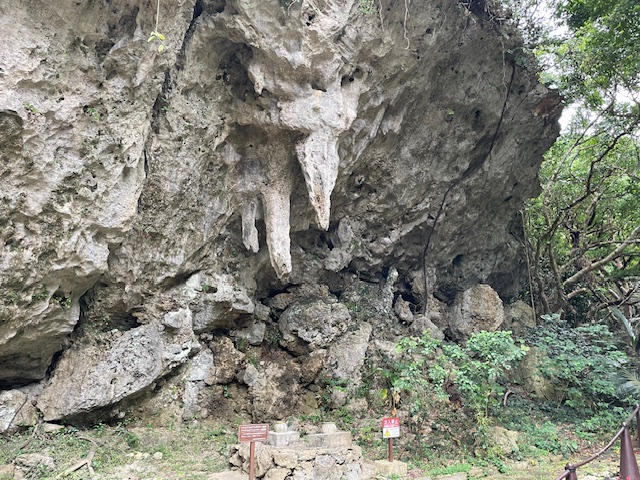
    We took an excursion that began with a trip to the most sacred site of the Ryukyu Kingdom, Sefa-Utaki, an outdoor Shinto shrine. It is a UNESCO World Heritage Site. Sefa-Utaki is a place of natural wonders, and it has an especially calm and contemplative atmosphere. Ceremonial altars were created from the natural stone outcroppings, ledges and caves. This has been a sacred site since the earliest period of Ryukyu and Okinawan history, and people still come here to pray and meditate.

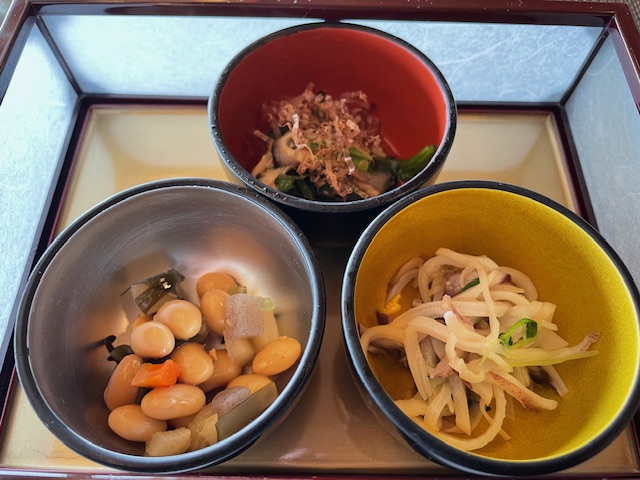
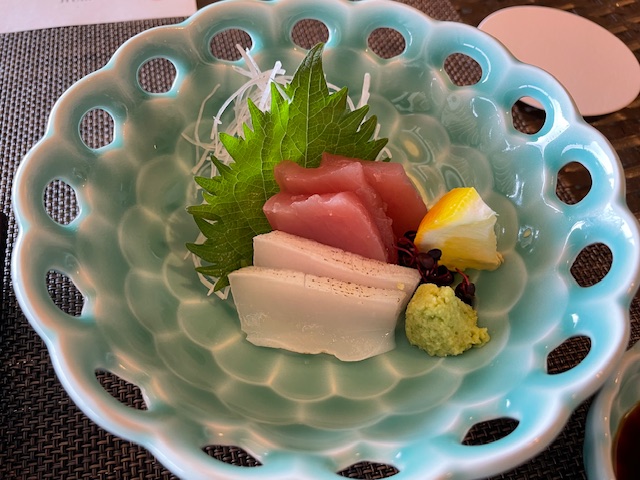
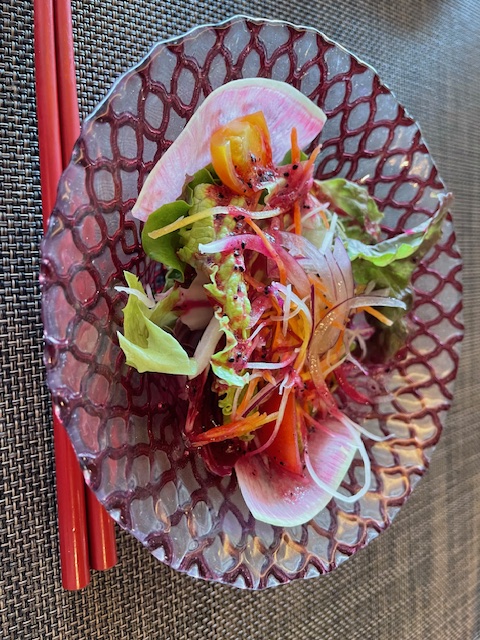
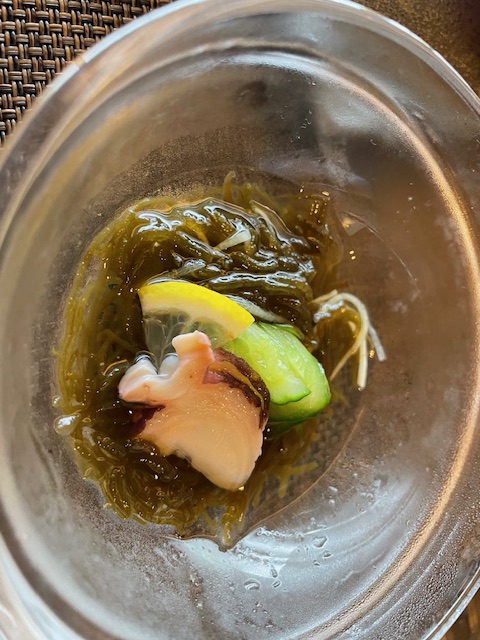
    We then went to a local restaurant where we were served a very traditional Okinawan lunch. The food was all very good, usually delicacies that we had never tried before.

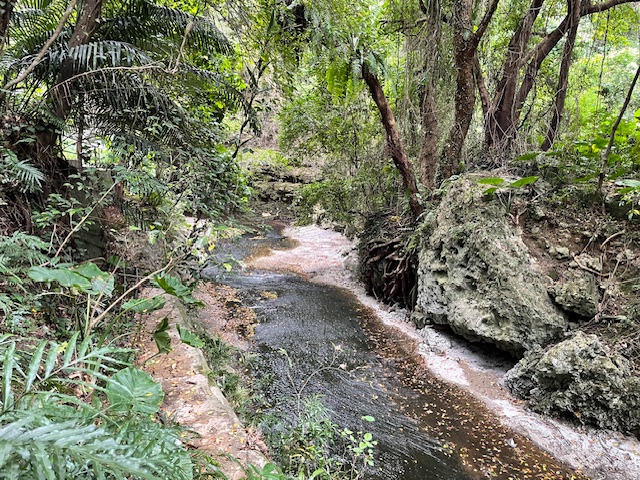
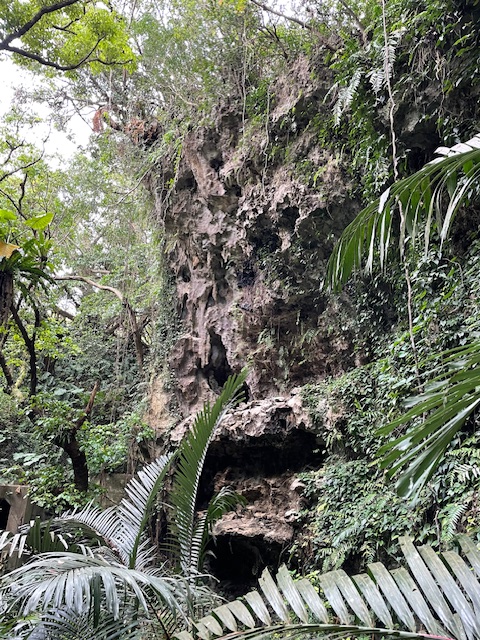
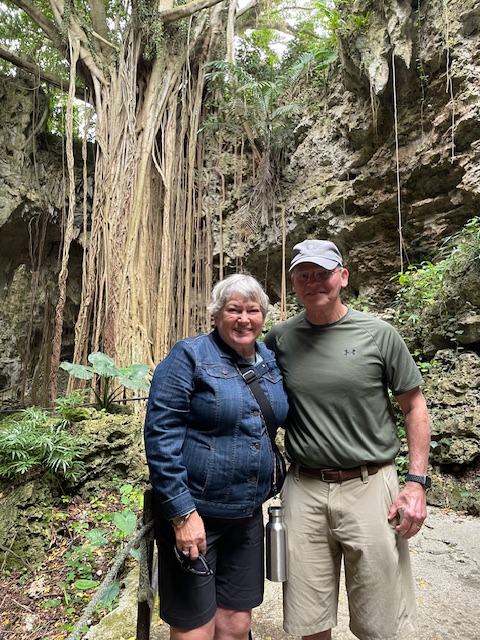
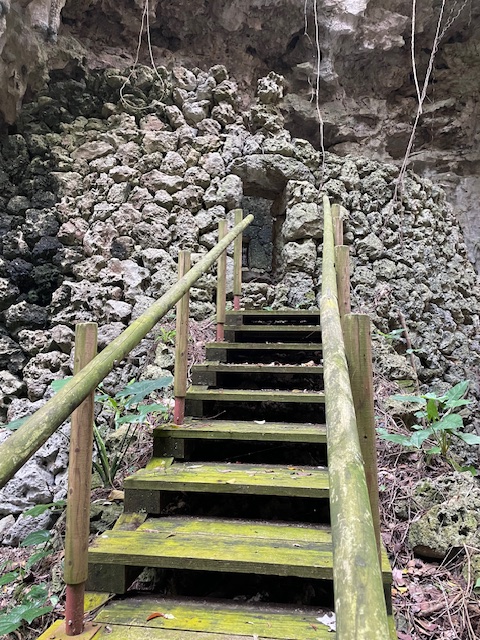
    Our excursion continued with a drive to the Gangala Valley. We went on a walking tour that started through a cave and continued on a path with striking rock formations, dramatic large plants, and unusual trees. The rustic beauty of this unusual forested park was unrivaled. On the way out we saw the Ufushu Gajimaru banyan tree, estimated to be more than 150 years old. After leaving the Gangala Valley, we headed back to our ship in Naha.

  • Mar 25, 2024 – At Sea (East China Sea)

    March 25th, 2024

    Mar 25, 2024 was a sea day as we travelled approximately 400 miles between Keelung, Taipei and Naha, Okinawa. It was a nice relaxing day after a number of very full days in Taiwan.

    One of the things that happened in Taipei was that a new set of conversationalists joined the ship for our journey through Japan and China, and eventually to Hong Kong. One of the new persons who joined us is James “Jim” Laurie who was a news broadcaster for both NBC News and then ABC News, reporting from all over the world between 1975 and 2000. He is now retired and a writer and lecturer who speaks at many events, and cruises, around the world. His first talk today was on Japan and the changes in Japan after World War II through today, and expected into the future. It was a great introduction into the country that we will next be visiting.

  • Mar 23-24, 2024 – Keelung, Taipei, Taiwan (Republic of China)

    March 25th, 2024

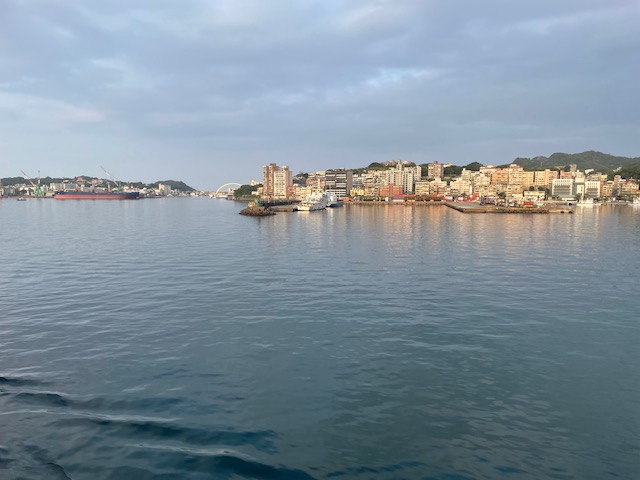
    On Mar 23, 2024 we docked at Keelung, Taipei. It is in the Northeast part of Taiwan Island and is next to Taipei County. It is Taiwan’s second largest seaport (after Kaohsiung), and only about 45 minutes by train from Taipei City, the capital of Taiwan.

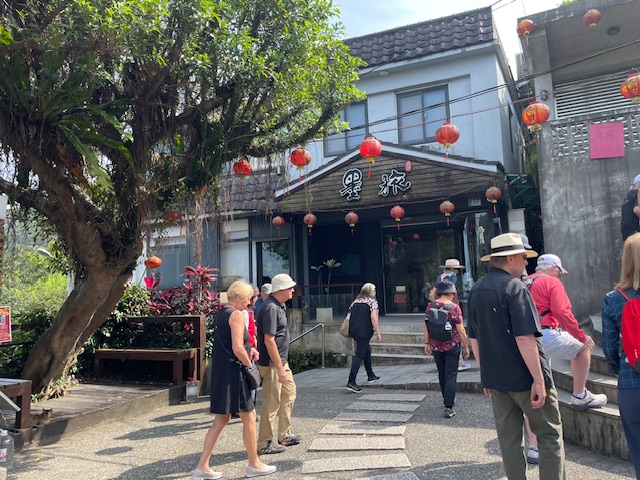
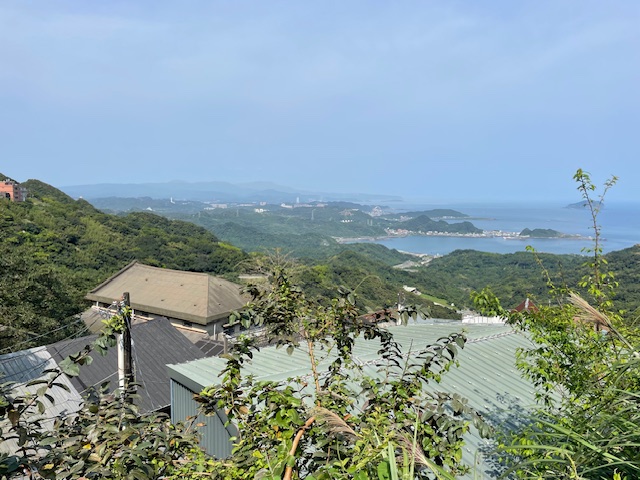
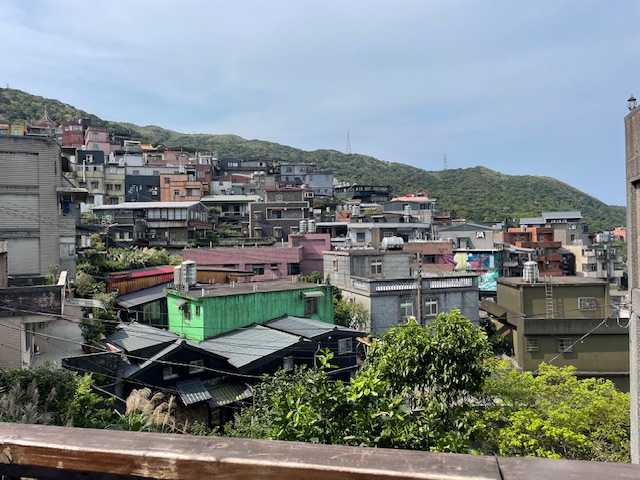
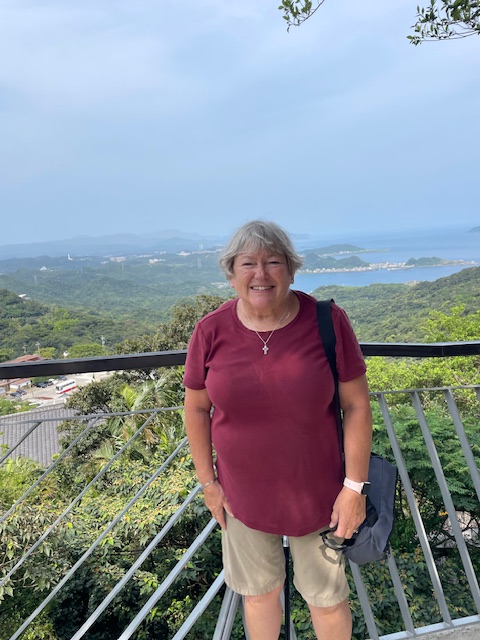
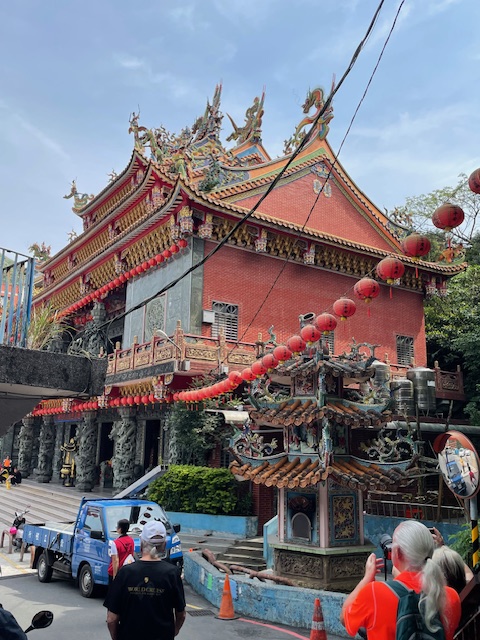
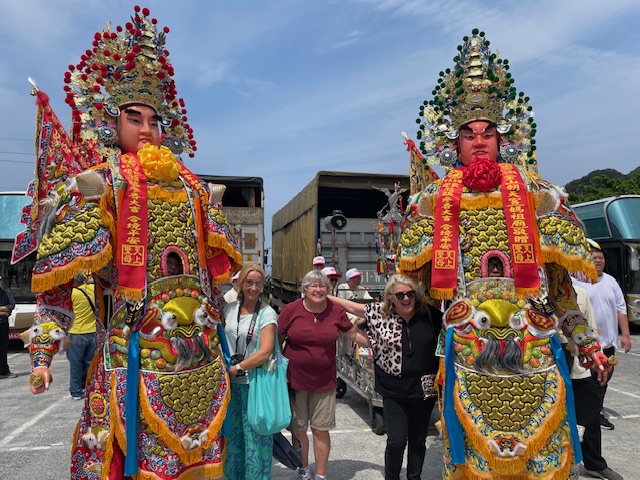
    On the first day of our time in Keelung we took a bus to the town of Chiufen and went on a walking tour of this former gold mining town located on a mountainside. We were able to climb 200 steps and wander through the town and its interesting shops and another temple, before stopping at the Chiufen Tea House. Here we were able to enjoy a pot of tea and a snack, as well as learning the art of preparing and pouring tea. Tea drinking is a ritual in Taiwan, not a hurried experience.

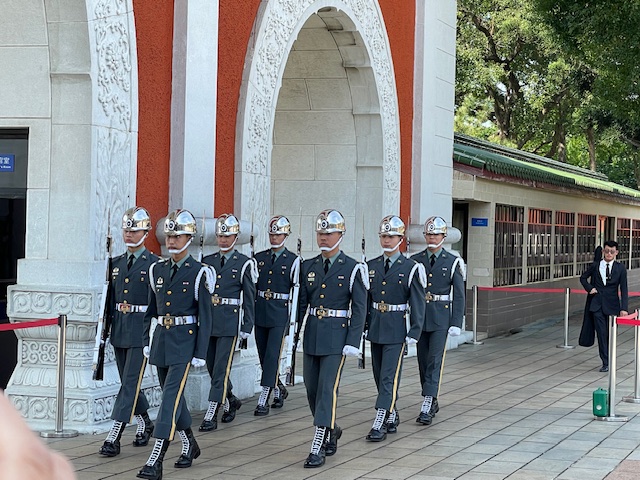
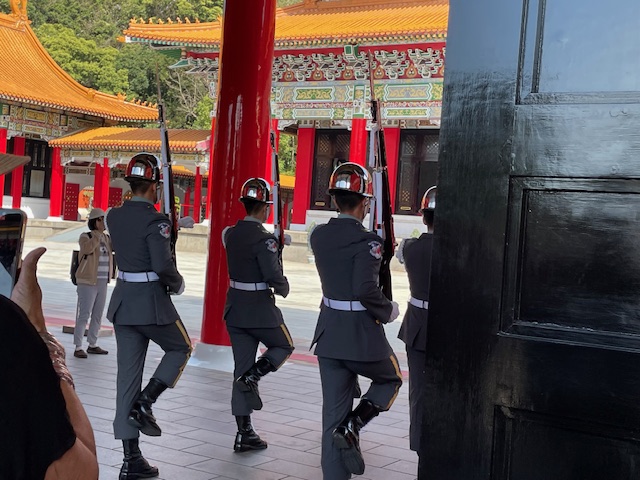
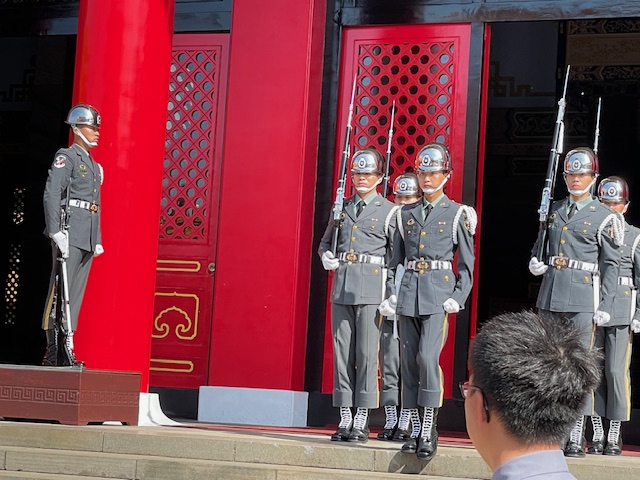
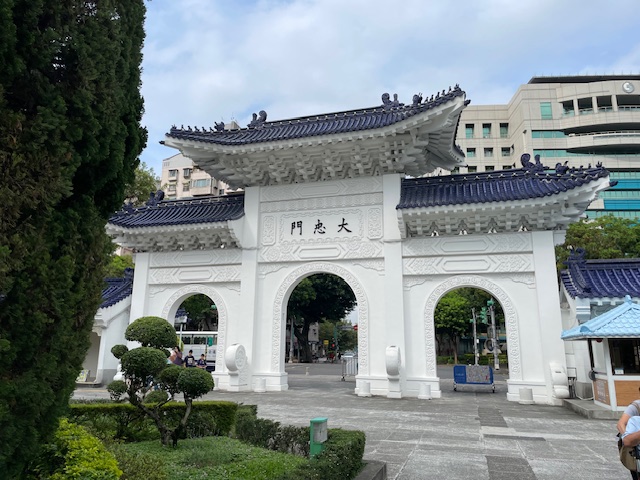
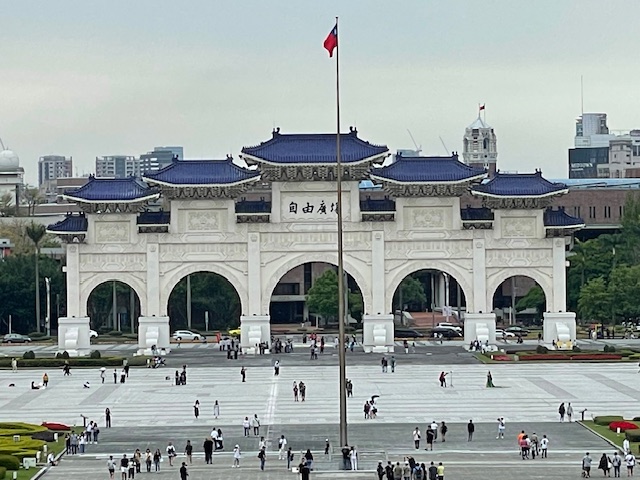
    On our next day in Keelung, Mar 24, 2024, we went on an eight-hour excursion to explore the highlights of Taipei. Our first stop was at the Martyrs’ Shrine, a stately monument constructed in 1969 to honor the 330,000 men who sacrificed their lives in key battles. The structure features a bright red main gate guarded by uniformed military officers. We were able to see the changing of the guard which included very precise military drill movements.

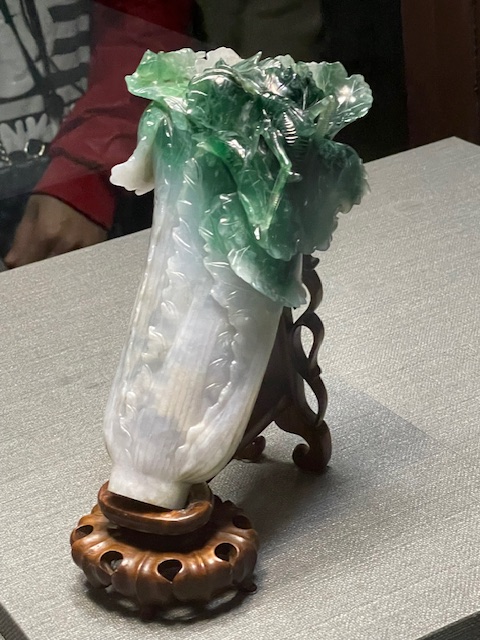
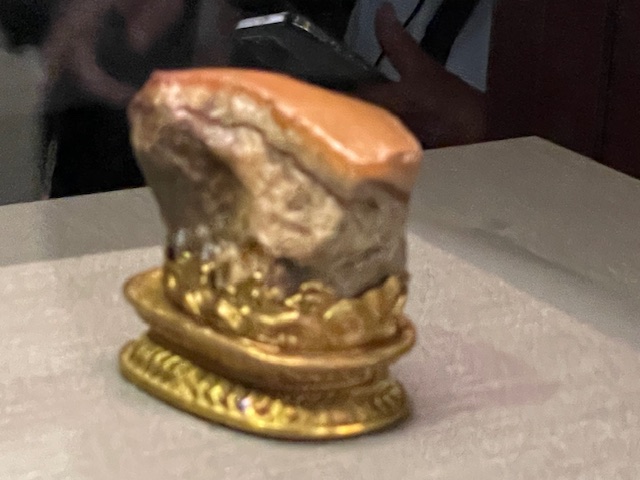
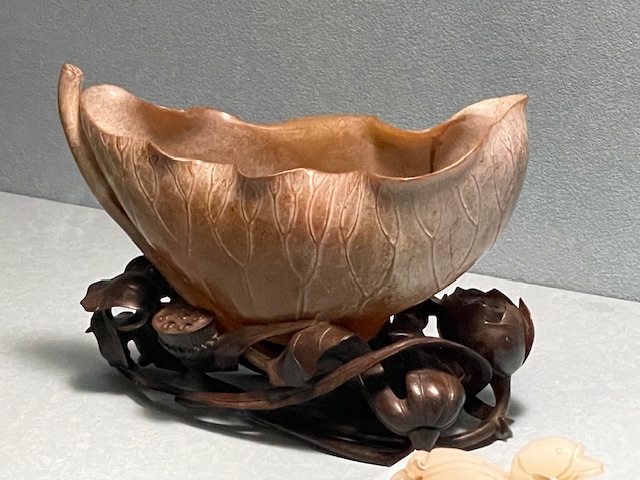
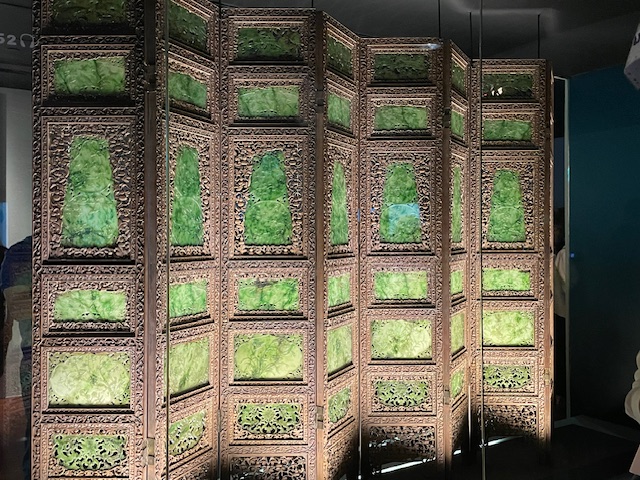
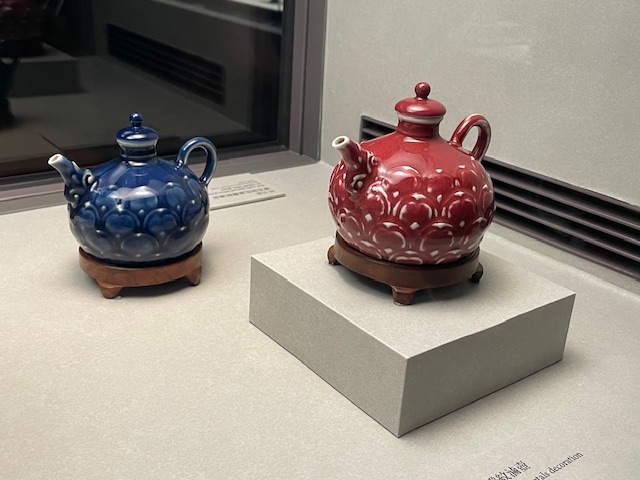
    Our next stop was the National Palace Museum which contains one of the largest collections of ancient Chinese objects and art in the world. The impressive collections include bronze, paintings, jade, ceramics and precious objects amassed by ancient emperors, and more from the Sung, Yuan, Ming and Qing dynasties.

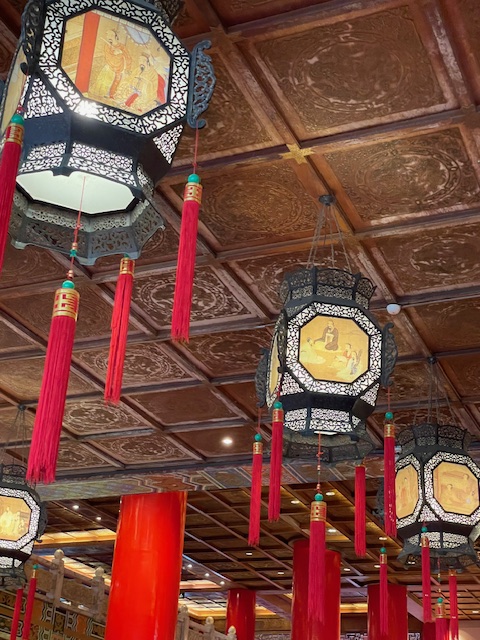
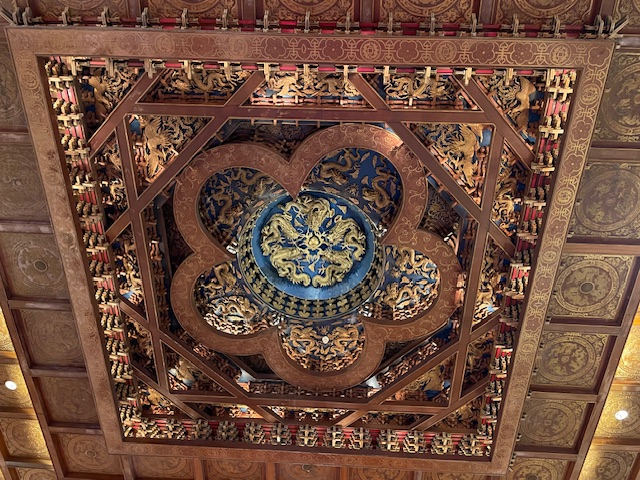
    After our stop at the National Palace Museum, we went to the Grand Hotel for lunch. The Grand Hotel was built in 1952 in the decadent style of classical Chinese architecture. Our lunch was a traditional Asian-style buffet lunch that was fabulous.

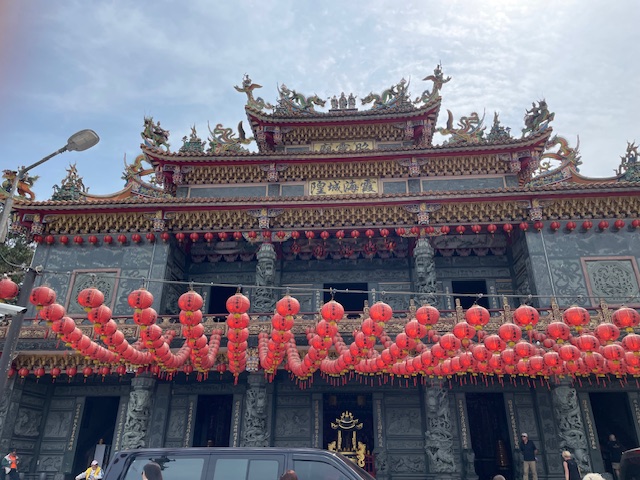
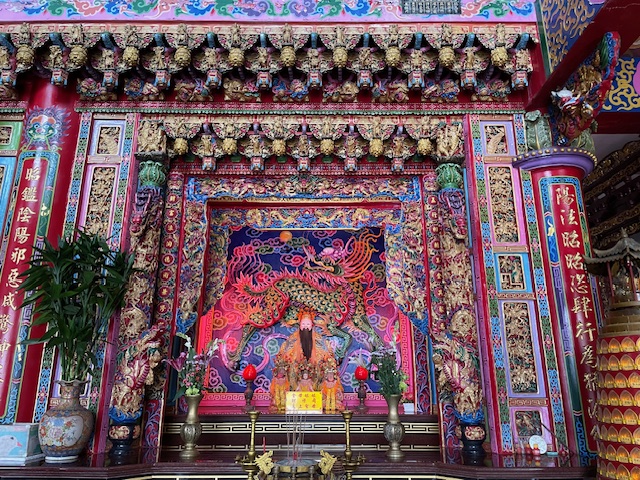
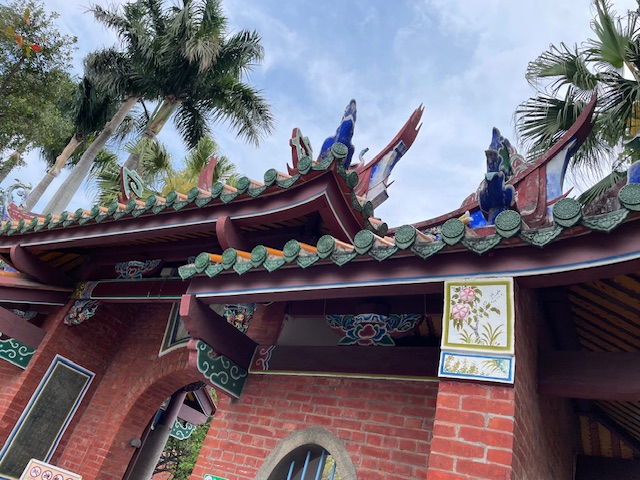
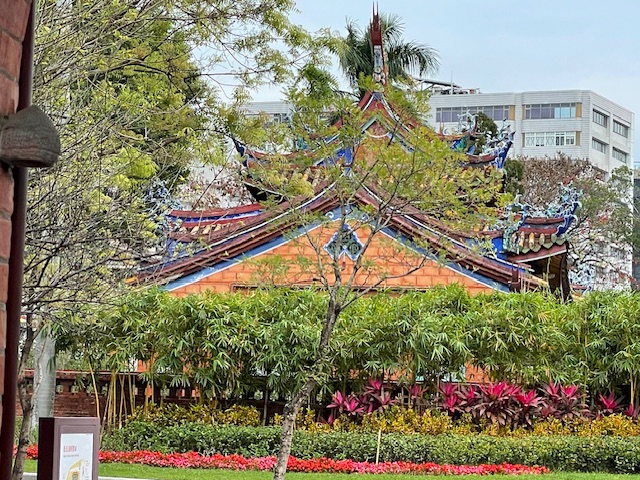
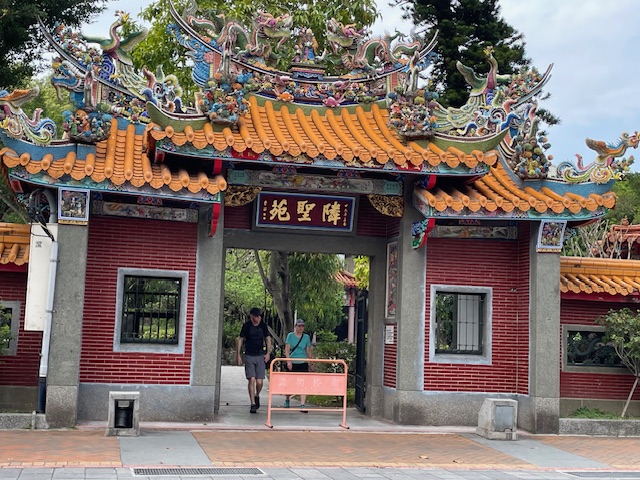
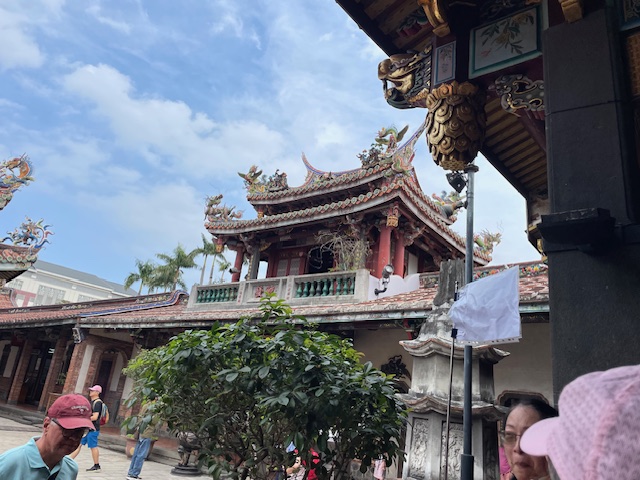
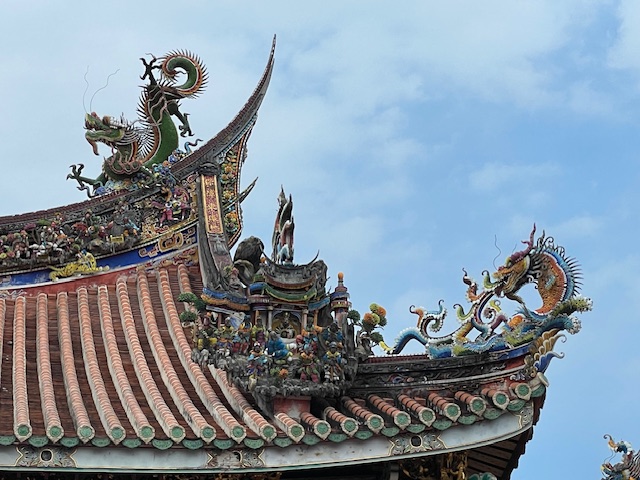
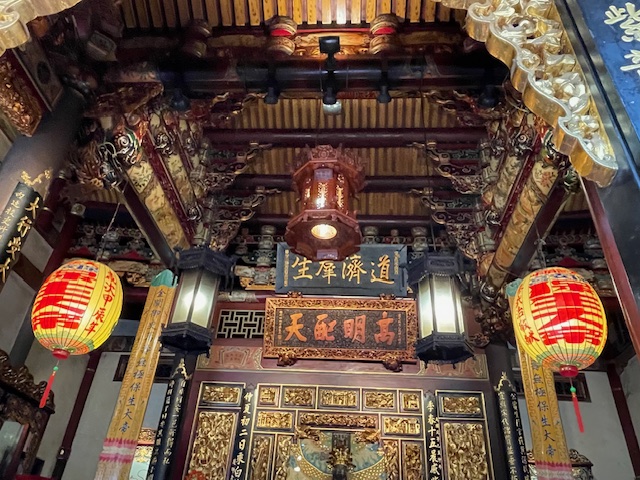
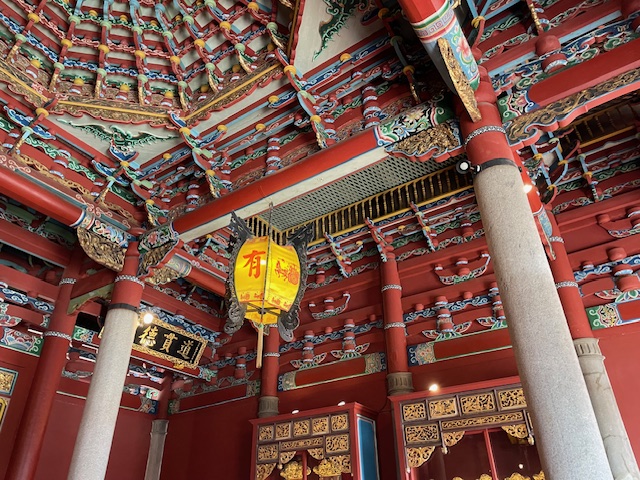
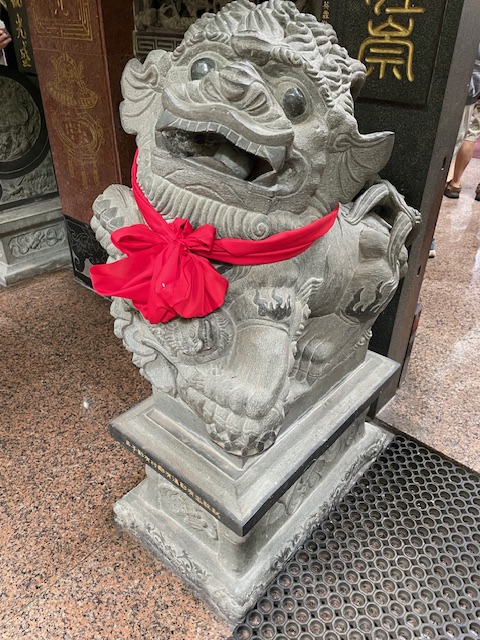
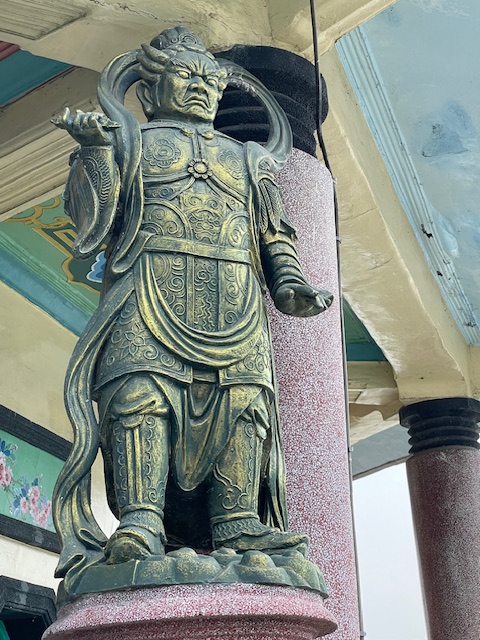
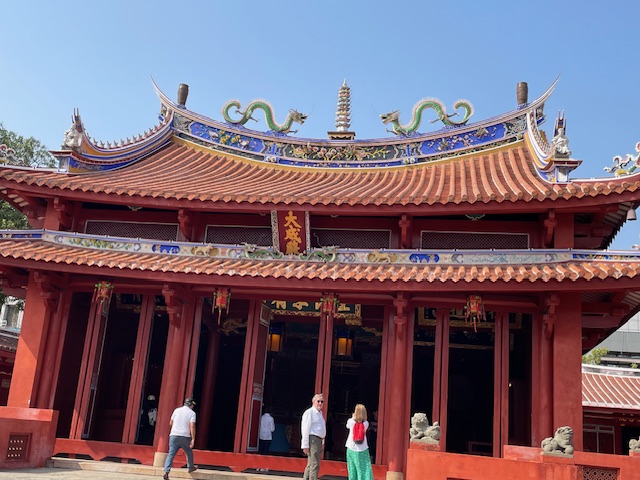
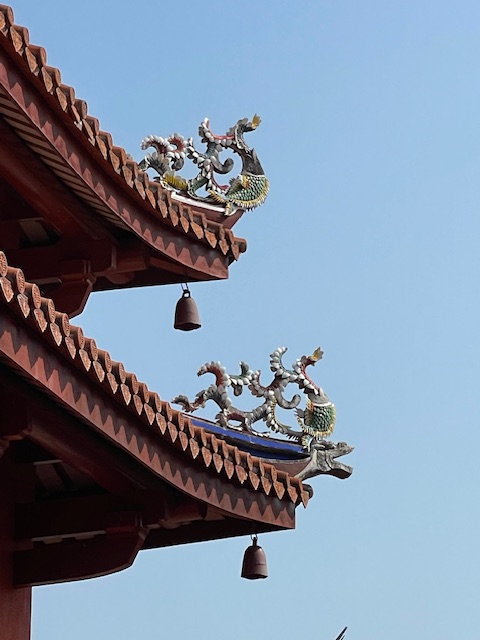
    Our next stop was at the Bao-An Temple, a magnificent place of Taoist worship dedicated to Pashen Tati, the god of medicine. This temple was built in 1830 and restored from 1995-2002 and is adorned with ornate dragon pillars, stone lions, and valuable tablets. Across a courtyard was the Confucius Temple, identified with its lack of any human forms in the temple (last three pictures below). It is a magnificent temple with superb architecture and is the foremost of about 30 Confucian temples in Taiwan.

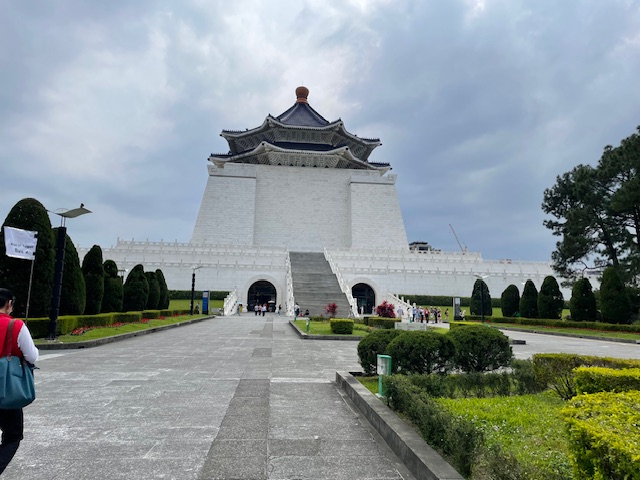
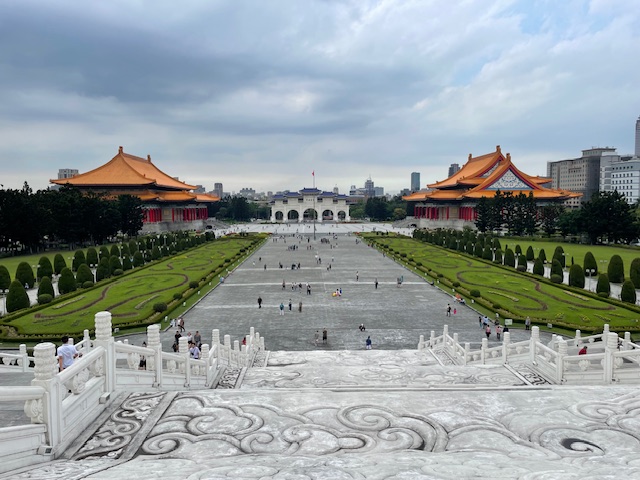
    Our last stop before returning to the ship was the Chiang-Kai Shek Memorial Hall, a regal monument paying tribute to the 1st President of Taiwan. The building has a brilliant blue glazed tile roof, gold apex, white marble and natural red cypress ceiling. The shrine is designed to convey sacredness, solemnity, hospitality and peace. It contains many artifacts related to the late president’s life.

    On our drive back to the port at Keelung, we saw the Taipei 101, a 101-story skyscraper opened in 2004, which at the time was the tallest building in the world. The building expresses its distinctively Chinese character in its resemblence to a stalk of bamboo or an elongated pagoda.

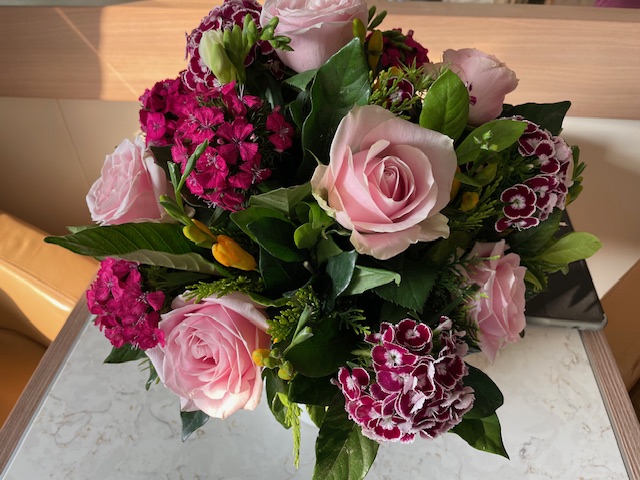
    When we got back to our room onboard, we were greeted with fresh flowers as we started the next segment of our cruise, which will take us from Taipei to Hong Kong, and we began our sailaway from Keelung, Taipei.

  • Mar 22, 2024 – Magong, Penghu Islands, Taiwan (Republic of China)

    March 24th, 2024

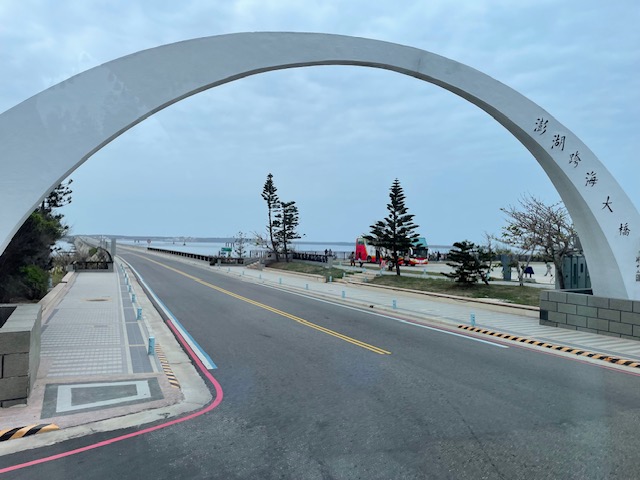
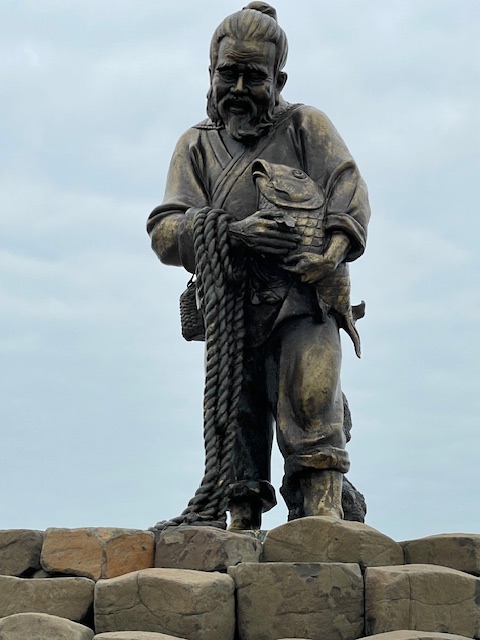
    On Mar 22, 2024 we docked at Magong on the Penghu Islands. The Penghu Islands are in the Taiwan Strait between Taiwan and China. They are about half way up the West coast of Taiwan. They form an archipelago of 90 islands, about 20 of which are inhabited. The population of Magong is approximately 65,000 people. Three of the larger islands are connected by the Penghu Great Bridge.

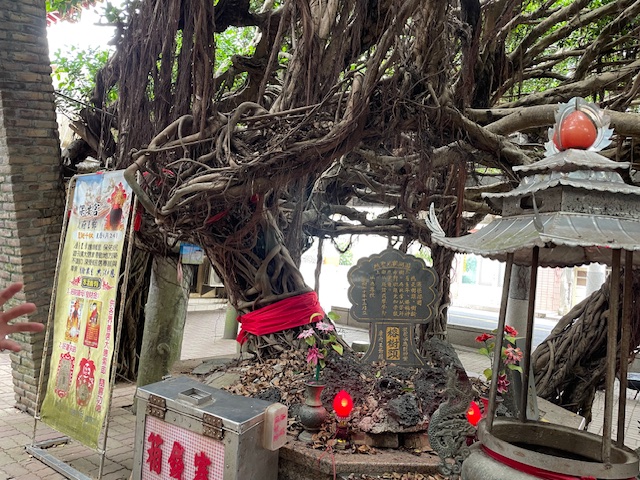
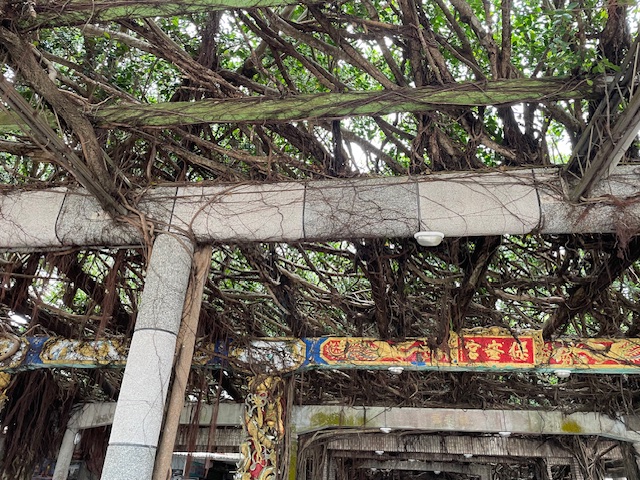
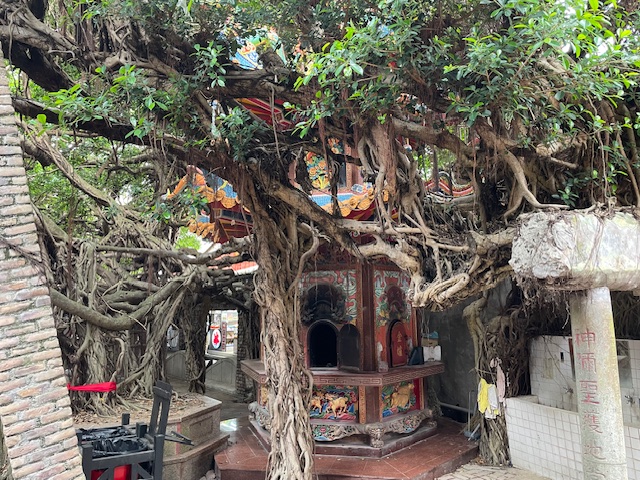
    We took an excursion which took us to a number of different sites. The first was a stop to see the Tongliand Great Banyan. The Great Banyan is located in front of Bao An Temple, and has lived more than 300 years with dozens of branches and lush foliage forming a natural awning covering over 600 sq. ft. There are over 90 natural trailers from the tree that have rooted themselves in the soil to help support the massive tree.

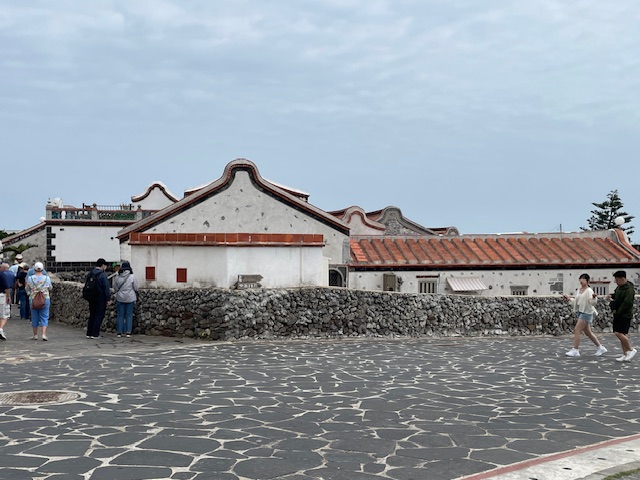
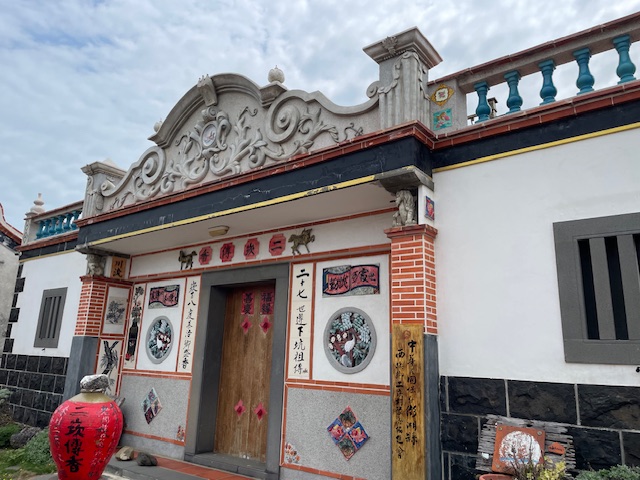
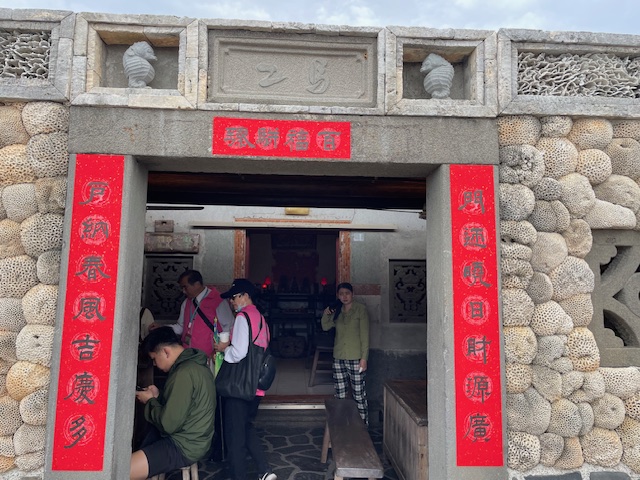
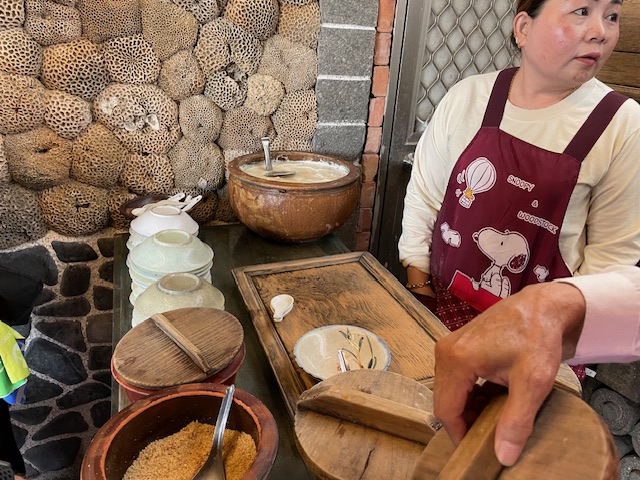
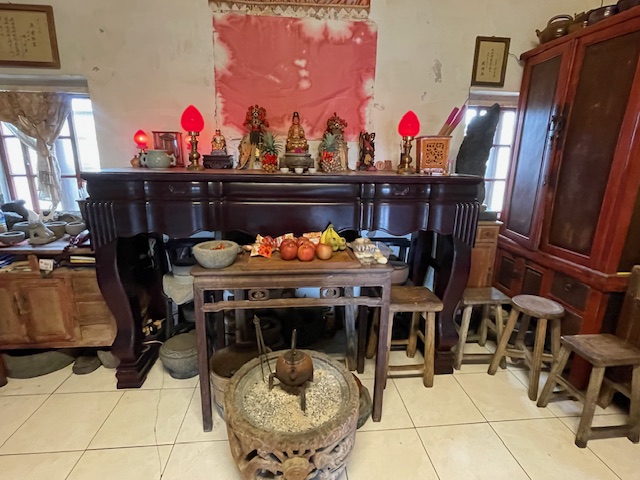
    As we left the Great Banyan Tree and proceeded out of town, we stopped at a park marking the start of the Penghu Great Bridge. We then proceeded to Erkan, a small historic village featuring red brick tiles and coral stonewalls, and houses and shops, that looked a hundred years old.

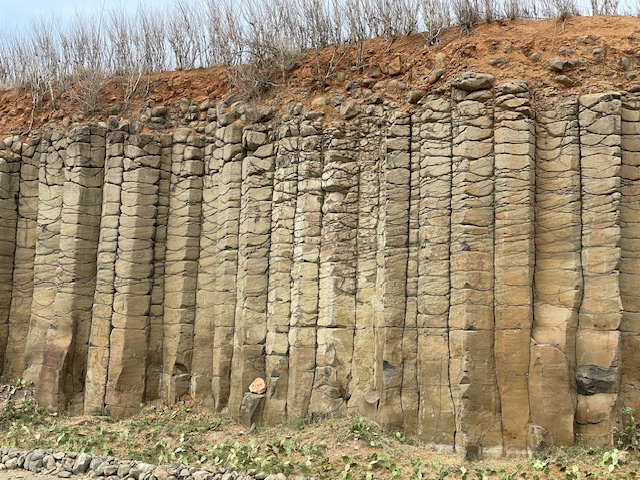
    Our next stop was to see the Daguoye Columnar Basalt formations, which provided a dramatic view of step cliffs, basalt formations, coves and headlands.

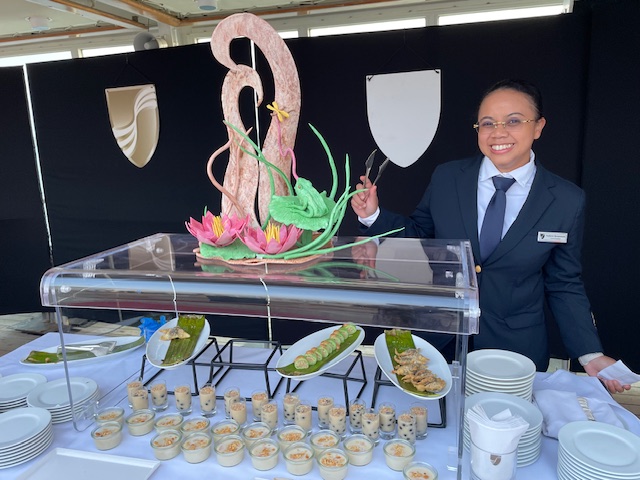
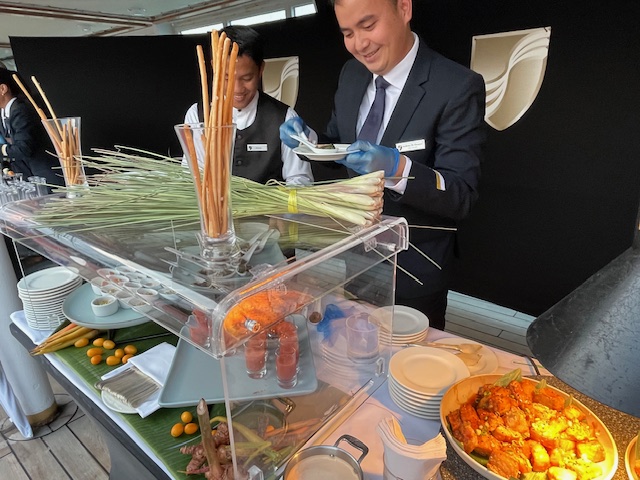
    We then returned to the ship. At the end of the day, the Sojourn Team Members served cullinary items and drinks to everyone, to the sounds of the Sojourn House Band on the pool deck. A nice way to end a long day.

  • Mar 21, 2024 – Kaohsiung, Taiwan (Republic of China)

    March 24th, 2024

    On Mar 21, 2024 we docked at Kaohsiung, Taiwan (Republic of China). Both Communist mainland China and Taiwan consider themselves to be the Republic of China. Mainland China is referred to as the People’s Republic of China. Taiwan is referred to as the Republic of China.

    Kaohsiung is the second largest city in Taiwan (founded during the Ming Dynasty, it’s among Taiwan’s oldest cities) and the third largest container terminal in the world after Hong Kong and Singapore. It was an important facility for the Dutch in the 17th century and continues to be a major international trading port. Kaohsiung is on the Southwest coast of the island of Taiwan.

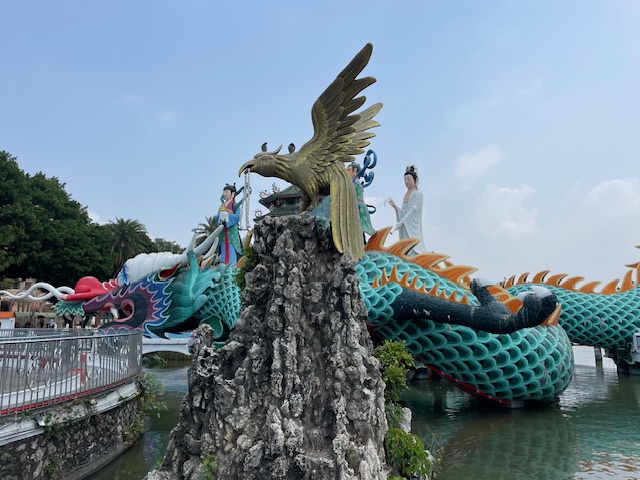
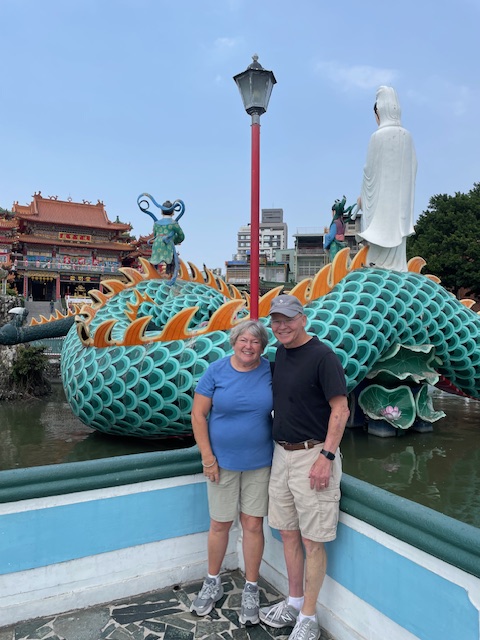
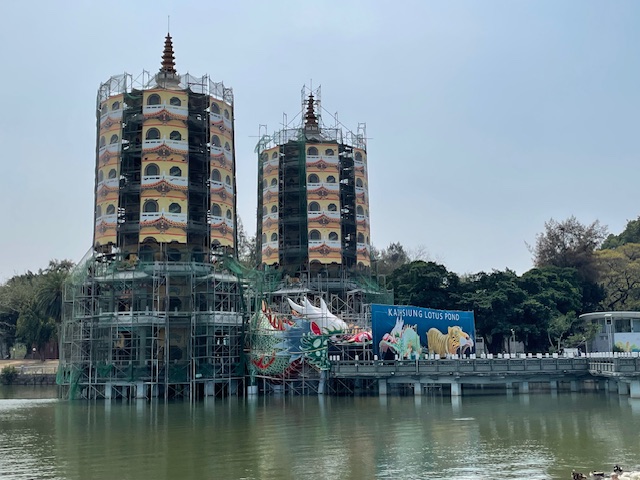
    We took an excursion that took us to a number of different sites in the Kaohsiung area. The first was Lotus Pond for a look at Taiwan’s gift for synthesizing old and new. The pagodas, pavilions and temples around the lake and in the neighborhood all are built with classical architectural features, yet the oldest dates back only to 1953. Among the places we saw were the Spring and Autumn Pavilion, a Taoist complex, and the Tiger and Dragon Pagoda – a seven-story pagoda tower with yellow walls, red pillars and orange towers.

    We then went to the Chi Ming Tang Temple of Enlightenment, which is a four-story Taoist shrine. The interior is filled with depictions of Taoist deities, including gods, major hsitoric figures, and Confucius himself.

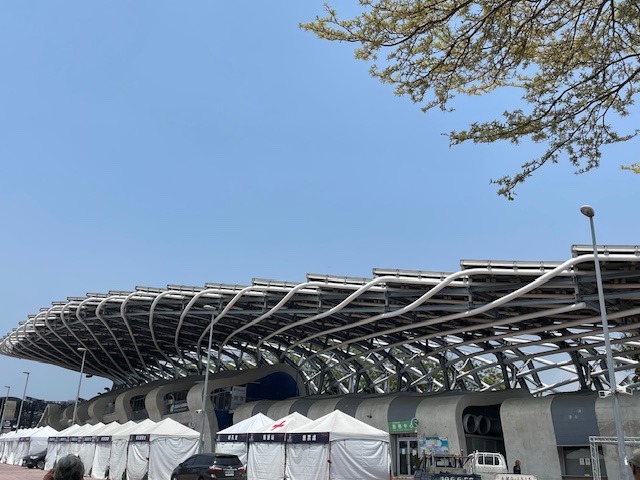
    On our way back through the city to our port, we stopped at the Kaohsiung National Stadium, which was built in the early 2000’s and was the main site of the 2009 World Games. The stadium was designed in a dragon-shaped style.

    As we headed back to our ship we both expressed amazement at how beautiful and clean this city was compared to many in Indonesia and the Philippines.

←Previous Page
1 2 3 4 5 … 8
Next Page→

Blog at WordPress.com.
 

Loading Comments...
 

    • Subscribe Subscribed
      • World Cruise - 2024
      • Already have a WordPress.com account? Log in now.
      • World Cruise - 2024
      • Subscribe Subscribed
      • Sign up
      • Log in
      • Report this content
      • View site in Reader
      • Manage subscriptions
      • Collapse this bar